
Vandaag of morgen in huis

Kwaliteit gegarandeerd

Welkomstaanbiedingen ontgrendelen: GRATIS bezorging | Tot 80% korting | Gratis 30 dagen JoyPlus-proefperiode
Download de app
A jacket may look suitable for every season in a product photo, but outdoor jackets can differ considerably in practice. A thin water-repellent layer is not automatically a waterproof jacket. A lined jacket may be warm in the city, but become too heavy on a walk. And an attractive fit offers little comfort if the sleeves ride up when you cycle.
If you are looking for outdoor jackets for men and women, it is therefore worth translating marketing terms into properties you can verify. Pay particular attention to protection from precipitation, insulation, freedom of movement and choosing the right size.
A DWR treatment initially makes rain roll off the surface, but it does not tell you everything about the jacket’s construction. Check whether the seams are sealed and whether the product description mentions a hydrostatic head, membrane or waterproof construction. A hardshell jacket with fully sealed seams is constructed differently from an ordinary windbreaker.
A thick jacket is not always the most practical choice. For walking or cycling, a combination of layers may work better: a fleece jacket as an insulating layer with a wind- and rain-resistant outer layer. For everyday use during the colder months, a lined jacket or warm winter jacket is often more suitable.
A jacket that fits well over a T-shirt may feel too tight over a jumper or fleece. Check the chest, shoulder and sleeve measurements, and confirm whether the size guide refers to body measurements or garment measurements. With a 3-in-1 jacket, you also need to allow for both the inner jacket and the outer layer.
A hydrostatic head is expressed in millimetres of water pressure. A higher value indicates greater resistance to water pressure during a standardised test, but practical protection also depends on zips, seams and the condition of the outer layer.
For the PELLIOT fleece-lined 3-in-1 jacket, the product information states a hydrostatic head of 35.900 mm H₂O according to JIS. It also lists breathability of 16.000 g/m²/24 hours according to JIS. These are product specifications taken from the brand and product information; they do not guarantee protection in every weather situation. Also check whether the hood, cuffs and hem can be adjusted.
A breathable jacket can help move moisture vapour outwards, but the result is also affected by exertion, clothing layers and temperature. For hiking, running and long bike rides, ventilation zips, a mesh lining and a fit that is not too tight can be useful.
A walking jacket or hiking jacket with underarm zips offers more ways to regulate ventilation than a simple city jacket. If you mainly travel to work or the shops, you may prefer a model with fewer technical details and more emphasis on comfort and pocket space.
When choosing a windproof jacket, look for a high collar, adjustable cuffs and an adjustable hem. An adjustable hood stays in place more effectively in changing winds than a fixed, loose-fitting hood. Also check whether the jacket has a fleece lining, synthetic filling or down.
With a 3-in-1 jacket, you can wear the layers separately. This makes the jacket useful in mild rain, cold winds and lower temperatures, although its construction may be bulkier than that of a simple rain jacket.
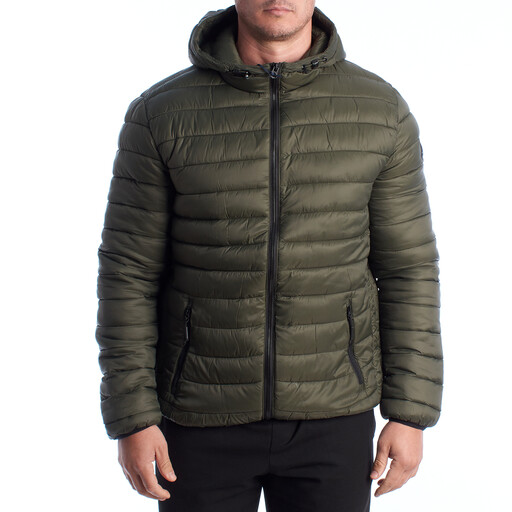
Why it suits this profile: This lined men’s jacket is designed for everyday use in the city, commuting and cold days when practical warmth matters more than technical hiking performance.
The product description specifically mentions an adjustable hood, elasticated cuffs, an elasticated waist and two pockets. The jacket is not presented as a technical rain jacket.
100% polyester according to the product information, an inside pocket and hand washing as the recommended care method.
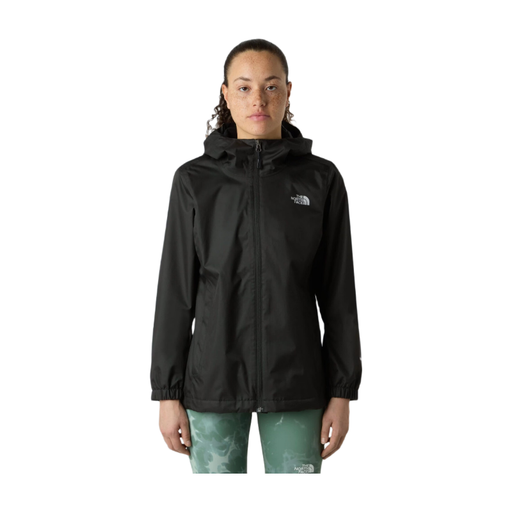
Why it suits this profile: According to the product description, this women’s jacket is designed for hiking and changeable weather, with a focus on rain, wind and ventilation.
According to the manufacturer, the stated DryVent layer is waterproof, windproof and breathable. The description also mentions fully sealed seams and an adjustable hem.
Mesh lining, two zipped pockets, elasticated cuffs and an outer layer made from 100% polyester according to the product information.
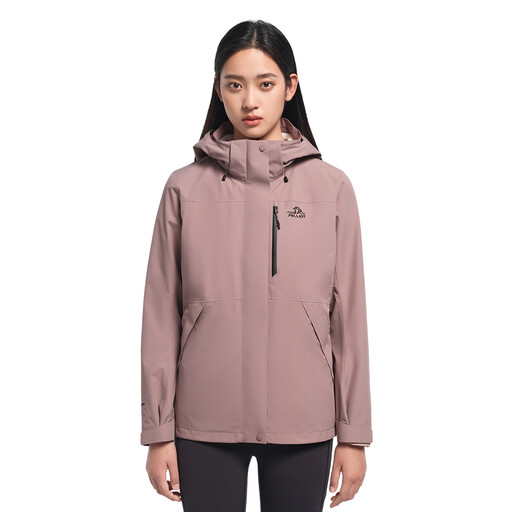
Why it suits this profile: The 3-in-1 design is suitable for camping, trekking and everyday cycling when you want one system for several conditions.
The product information states that the outer and inner layers can be worn separately. This allows you to adjust the insulation rather than always wearing a heavy winter jacket.
According to the brand information: 35.900 mm hydrostatic head, 16.000 g/m²/24 hours of breathability, and an adjustable hood, hem and cuffs.
We have put together a complete, up-to-date list of products that fully meet these strict selection criteria and the applicable European safety regulations.
Also pay attention to care requirements. Always follow the care label. Some jackets must not be tumble-dried or need to be treated with a special product. According to the manufacturer’s product information, a DWR finish may need to be reapplied over time.
A waterproof jacket is designed to keep precipitation out, with seams and fastenings playing an important role. A windproof jacket focuses mainly on limiting the flow of cold air. Some models combine both properties, but always check the product specifications.
A breathable hardshell or walking jacket with an adjustable hood, adjustable cuffs and sealed seams is practical in rain and wind. In lower temperatures, you can wear a fleece jacket or insulating mid-layer underneath.
Its lifespan depends on use, friction, washing and care. Zips, seams and the water-repellent finish require particular attention. Wash the jacket according to the care label, close the zips before washing and avoid the tumble dryer if it is not permitted. This will help the fit and performance of the material last longer.
