
Vandaag of morgen in huis

Kwaliteit gegarandeerd

Welkomstaanbiedingen ontgrendelen: GRATIS bezorging | Tot 80% korting | Gratis 30 dagen JoyPlus-proefperiode
Download de app
An outdoor jacket needs to cope with more than a passing shower in the UK. The wind can pick up while you’re cycling, rain can linger on a walking trail, and for your daily commute you’ll want a jacket that’s practical to wear too. Yet product descriptions can be difficult to compare. Terms such as ‘all-weather’, ‘breathable’ and ‘waterproof’ don’t tell you much if key specifications are missing.
In this guide, you’ll find out what to look for in a waterproof jacket, rain jacket, windproof jacket or walking jacket. We’ll then match different styles to specific types of user.
A jacket may be described as waterproof without giving details of its hydrostatic head, seam construction or testing method. Look for verifiable information such as:
A DWR treatment helps water bead off the fabric, but it isn’t a permanent substitute for a waterproof membrane. According to the product descriptions of some models, the treatment may need to be reactivated or reapplied over time.
Walking, running or trekking can create heat and moisture on the inside of your jacket. So don’t just look for the word breathable; check the material, lining and ventilation options too. A mesh lining can make a jacket more comfortable to wear, while underarm zips or a roomier fit can improve airflow.
If a brand claims its jacket offers high levels of moisture management, present this as a brand claim. According to PELLIOT’s product description, its hardshell is designed to wick away moisture. However, the available information doesn’t include a specific breathability rating. This doesn’t make the jacket unsuitable, but it does make it harder to compare directly with other models.
An outdoor jacket is often worn over a T-shirt, fleece jacket or jumper. A close-fitting style may pull across your shoulders and arms when layered. Check the chest, sleeve and back measurements in centimetres rather than relying on S, M or L alone.
Also consider the difference between a women’s jacket, men’s jacket and unisex jacket. A unisex style may be roomier around the chest and shoulders. If you want to wear a thick mid-layer underneath, sizing up could work, but always compare your measurements with the size guide for the specific product.
A lightweight rain jacket may be enough for everyday use in town. For a jacket for walking and trekking, a good hood, sealed seams and adjustable cuffs are more important. A hardshell jacket is generally designed to be a protective outer layer, with warmth coming mainly from what you wear underneath.
An uninsulated windproof jacket is handy for cycling, running and active walks. On colder days, a fleece jacket works well as a mid-layer. A parka with insulation and a longer cut is a more practical choice when warmth and coverage matter more than low weight.
Many of the models in this selection use polyester or nylon. Check:
Wash a technical jacket according to its care label. Fasten zips and hook-and-loop fastenings before washing, and don’t use fabric softener if the manufacturer advises against it. Incorrect care can affect the fit, coating or water-repellent performance.
An adjustable hood, high collar and zipped pockets are useful in changeable weather. For commuting, two zipped pockets are often enough. If you’re walking or climbing, you may find a chest pocket, drawcord hem and cuffs that fit over gloves more useful.
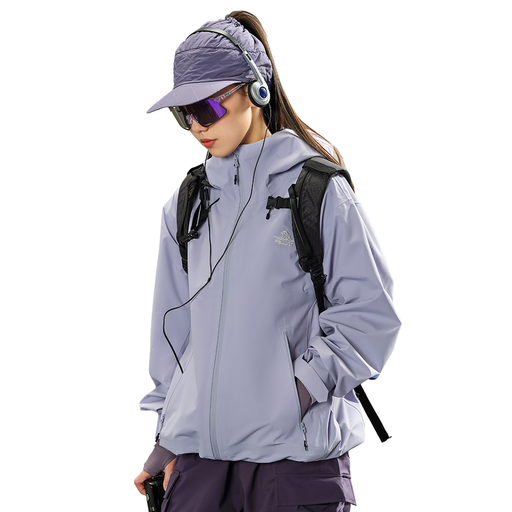
Why it suits this user: This unisex style is aimed at anyone looking for one jacket for everyday wear, water sports and walks. Sizes are available from XS to XXL.
The product description mentions a hardshell construction, wind protection and a size chart in centimetres. Be sure to check that your chosen size leaves room for layers.
According to the product description: a nylon or polyester blend with a waterproof laminate layer, mesh-like lining and hard-wearing outer fabric.

Why it suits this user: A women’s style for walkers who value a shell with clearly specified features and details for changeable conditions.
The product description specifies fully taped seams and a DryVent shell. This makes it clearer what construction is used to protect against rain.
According to the product description: adjustable hood, elasticated cuffs, drawcord hem, two zipped pockets and polyester mesh lining.
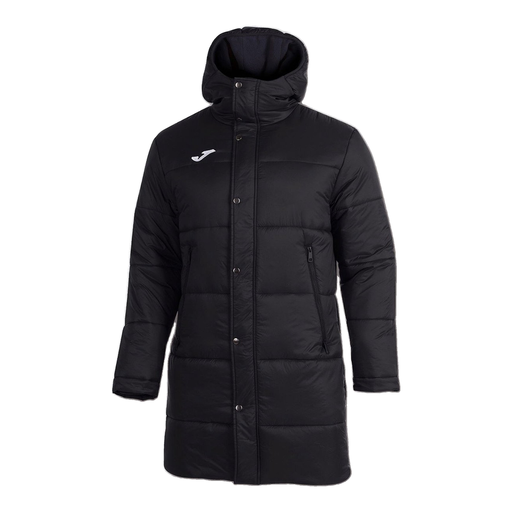
Why it suits this user: This men’s parka is suited to cold commutes, everyday wear and outdoor activities where warmth matters.
This jacket is designed for more than just rain: the product description mentions a lined construction, fleece lining and adjustable cuffs for cold conditions.
According to the product description: water-resistant outer layer, adjustable hood and cuffs, multiple pockets and a regular fit.
We’ve put together a complete, up-to-date list of products that meet these strict selection criteria and the applicable European safety regulations.
It depends on the construction. A windproof jacket with a hood is suitable for short rides in dry weather. For prolonged rain, taped seams, an adjustable hood and a waterproof outer layer are more important. For regular cycling, a longer back or adjustable hem can be especially practical.
Its lifespan depends on how often you wear it, friction, washing and care. A hardshell that often rubs against branches or rucksack straps will wear out faster than a jacket used around town. Follow the care label and check the seams, zips and outer layer regularly. According to the brand’s product information, a DWR treatment may need to be maintained over time.
Not necessarily, but a separate fleece jacket gives you more flexibility when layering. A rain jacket or hardshell mainly protects you from wind and rain, while fleece adds warmth. This makes it easier to adapt to your activity level and the temperature when walking or trekking than it would be with one heavily lined jacket.
