
Vandaag of morgen in huis

Kwaliteit gegarandeerd

Welkomstaanbiedingen ontgrendelen: GRATIS bezorging | Tot 80% korting | Gratis 30 dagen JoyPlus-proefperiode
Download de app
An outdoor jacket needs to cope with more than just a passing shower in the UK. The wind can pick up while you’re out walking, you don’t want to overheat on your bike, and a warm layer is important on a camping trip. However, a prominent label such as “all-weather” or “stormproof” doesn’t automatically mean a jacket is suitable for every situation.
As a Joybuy Product Recommendation Officer, I sift through the key product specifications behind the marketing claims. This helps you compare women’s and men’s outdoor jackets based on features that make a real difference in practice.
A jacket with a DWR coating initially makes raindrops roll off the surface. That’s not the same as a fully waterproof jacket. Check whether the product description mentions a waterproof membrane, a hydrostatic head rating or taped seams.
Pay attention to the construction, too. Even waterproof fabric can let moisture in through zips, pockets or seams if those areas aren’t finished properly.
A thick winter coat isn’t always practical for walking or cycling. You can quickly get too warm once you start exerting yourself. A layering system gives you more flexibility:
A 3-in-1 jacket often combines an outer layer with an insulating inner layer. Check whether you can wear each part separately.
An outdoor jacket should have room for a fleece or jumper underneath, but it shouldn’t be so loose that cold air gets in at the hem. As well as checking the letter size, look at the chest measurement, sleeve length and the brand’s size guide. An adjustable hem, hood and cuffs make it easier to get the right fit in a walking jacket.
The hydrostatic head, measured in millimetres or mm H₂O, indicates how much water pressure a fabric can withstand according to the test method used. A higher figure indicates greater resistance to water pressure, but it doesn’t tell you everything about the jacket as a whole. Seams, zips and wear and tear still matter.
According to the product description, the PELLIOT women’s fleece-lined 3-in-1 jacket has a hydrostatic head of 35.900 mm H₂O according to JIS. The same description states that the seams are fully protected. These are the manufacturer’s product specifications; the actual level of protection also depends on use, care and fit.
For the women’s THE North Face Quest jacket, the product description lists a fully taped, waterproof DryVent outer layer with a DWR finish. The coating may need to be reapplied over time, following the care instructions.
A breathable jacket allows moisture to escape from the inside. This is particularly important for hiking, brisk walks and cycling to work. For technical jackets, look for an MVTR rating, measured in grams per square metre per 24 hours.
The PELLIOT 3-in-1 jacket has a breathability rating of 16.000 g/m²/24 hours according to JIS. The product description says the jacket is designed to wick away perspiration during strenuous activities. Treat this as a product specification, not a guarantee that you’ll stay dry in all conditions: your level of activity, the temperature, base layers and ventilation zips all play a part.
A windproof jacket is useful on exposed ground, bike rides and coastal walks. Look for adjustable cuffs, a drawcord at the hem and a close-fitting hood. For cold, dry days, a down jacket can be lightweight and compact. Down is less suited to use as an outer layer in prolonged rain unless it’s well protected from moisture.
Also check:
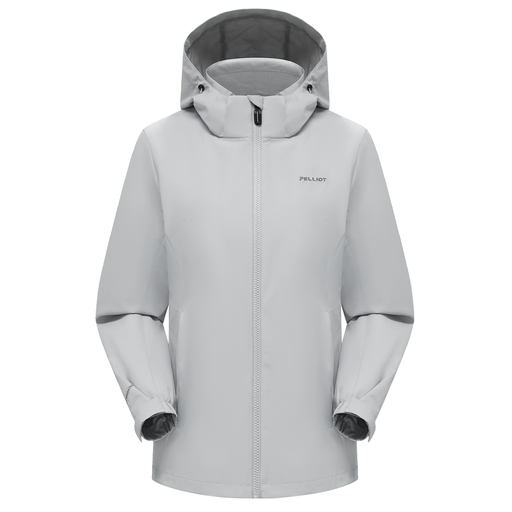
Why it suits this profile: A windproof hiking jacket is a practical starting point for walks, everyday wear and travel in changeable weather.
The product name and design focus on wind protection and hiking, without implying that this is a heavy winter coat.
Lightweight design for freedom of movement; suitable for walking and everyday wear.

Why it suits this profile: This women’s jacket is designed for walking in changeable conditions, combining protection with adjustable features.
According to the product description, the jacket has taped seams, an adjustable hood and an adjustable hem. These features help limit gaps where wind and rain could get in.
DryVent outer layer according to the product description; mesh lining and DWR finish.
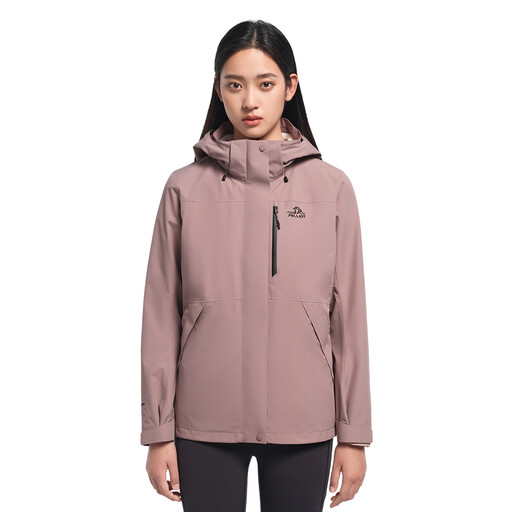
Why it suits this profile: The shell and fleece lining are designed for camping, trekking, commuting and use across several seasons.
According to the product description, you can wear the jacket as an outer layer, an inner layer or combine both as a 3-in-1 jacket. That means you don’t need a separate jacket for every temperature.
35.900 mm H₂O hydrostatic head and 16.000 g/m²/24 hours breathability according to the product description; abrasion resistance of more than 40.000 rub cycles listed.
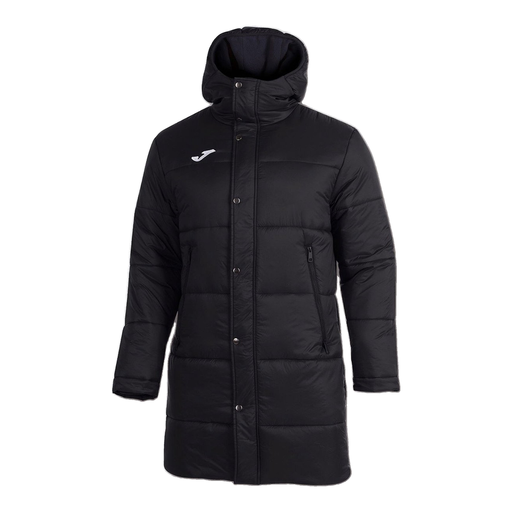
Why it suits this profile: A lined parka is a good choice for everyday wear in town, commuting and cold conditions where warmth matters more than low weight.
The product information lists a lined construction, fleece lining, adjustable cuffs and a hood. This makes it clear that the jacket is designed for warmth and everyday comfort.
Water-resistant outer layer according to the product information; multiple pockets and adjustable features.
We’ve put together a complete, up-to-date list of products that meet these strict selection criteria and comply with current European safety regulations.
Wash your outdoor jacket only when needed, and always follow the care label. Fasten zips and hook-and-loop fasteners before washing, and use a suitable mild detergent. Dirt and washing can make a DWR finish less effective. Some manufacturers therefore recommend reapplying the treatment or using a specific drying method.
Don’t put a down jacket in the tumble dryer without checking first. Always follow the care instructions. Store a technical jacket somewhere dry and avoid keeping it compressed in a bag for long periods. After a walk, check the zips, seams and cuffs for signs of wear, too.
Look for a waterproof outer layer, taped seams and protection around the zips and hood. A water-repellent coating alone is best suited to light rain and short periods outdoors. For prolonged rain, a jacket with a stated hydrostatic head rating and waterproof construction is a better choice.
A fleece jacket is mainly an insulating mid-layer and generally offers little protection from rain. A winter coat usually has thicker insulation and an outer material that offers greater protection from wind and rain. For versatile wear, you can combine either with a waterproof shell.
It can be, provided the outer layer protects you from water and wind and the inner layer provides enough warmth. Check the weight, ventilation and fit with both layers worn together, too. For strenuous hiking, a lighter combination of base layer, fleece jacket and shell may be more comfortable.
