
Vandaag of morgen in huis

Kwaliteit gegarandeerd

Welkomstaanbiedingen ontgrendelen: GRATIS bezorging | Tot 80% korting | Gratis 30 dagen JoyPlus-proefperiode
Download de app
An outdoor jacket needs to cope with changeable weather in the UK. Yet not everyone buys the right jacket for the way they use it. A lightweight windproof jacket is handy on a bike, but offers little warmth on a winter walk. A thick winter coat can be comfortable in town, but quickly becomes too warm on a strenuous climb.
So don’t focus only on colour, brand or an appealing product description. Look closely at the construction, fit and conditions you plan to wear the jacket in.
A coating that makes raindrops bead on the surface isn’t necessarily suitable for prolonged rain. Check whether the product information mentions a waterproof membrane, taped seams or a hydrostatic head test. The zips, hood and cuffs also affect how much protection you actually get.
A fleece jacket can feel pleasantly warm, but it won’t automatically keep out wind and rain. Conversely, a lightweight waterproof jacket protects you from rain but adds little insulation. For changeable conditions, layers or a 3-in-1 jacket are often more practical: an outer layer to protect you from rain and wind, combined with a fleece or padded inner layer.
An outdoor jacket that fits well without a jumper may feel too tight on a walk. Check the chest, shoulder and sleeve measurements, and see whether the manufacturer gives body measurements or garment measurements. With a walking or trekking jacket, you’ll also need enough room to move your shoulders and arms.
The hydrostatic head, expressed in mm H₂O, indicates how much water pressure a material can withstand in a particular test. A higher figure suggests greater resistance to water pressure, but it doesn’t tell you everything about real-world performance. Seams, zips and the finish of the hood still matter.
The product information for PELLIOT 3-in-1 jackets gives a hydrostatic head of 35,900 mm H₂O according to JIS. PELLIOT’s own product information also says these jackets have an adjustable hood, hem and cuffs. Treat these as product specifications, not a guarantee that you’ll stay dry in every situation.
When you’re walking or cycling actively, perspiration can make a jacket damp on the inside. The MVTR figure, expressed in g/m²/24 hours, describes how much water vapour the material can let through according to the stated test. A higher figure can be beneficial during exercise, but ventilation zips, clothing layers and the weather also make a difference.
So a fully waterproof jacket isn’t always the most comfortable choice for vigorous activity. A simpler rain jacket may be enough for a gentle commute, while a trekking jacket calls for more attention to ventilation.
A fleece jacket usually works well as a mid-layer. A padded jacket with synthetic filling is suitable for everyday use in cold weather and may be easier to care for than down. Look out for an adjustable hem, elasticated cuffs and a high collar, too. These details help keep out draughts without making the jacket extremely thick.
A fleece-lined parka can be handy for town and long bike rides. For camping or hilly terrain, a shell combined with an insulating layer is often more versatile.
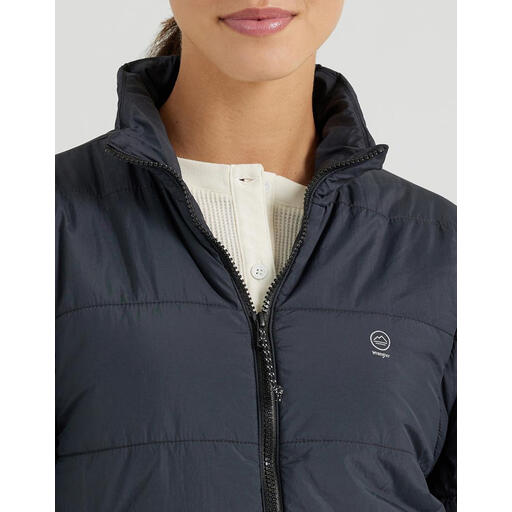
Why it suits this profile: This men’s jacket is designed for everyday wear and outdoor activities in windy weather and light rain. The hood and long sleeves provide practical, basic protection without the need for complicated layering.
The product information mentions protection from wind and light rain, not prolonged heavy rain. This makes its intended use clearer.
Polyester main fabric and lining; practical hood; long sleeves to allow for layering.

Why it suits this profile: This 3-in-1 jacket is designed for anyone looking for a single system to cope with changeable conditions while travelling, walking or spending time outdoors day to day.
According to the product description, you can wear the two layers separately or together. That means you don’t need to choose a different jacket for every season.
Outer layer with taped seams; adjustable hood and hem; inner layer with 550 fill power down, according to the product information.
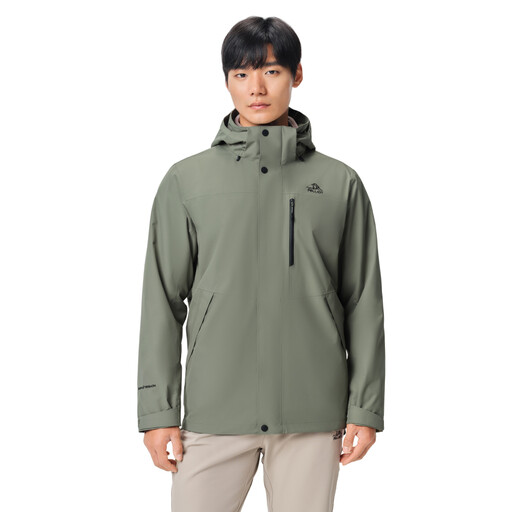
Why it suits this profile: This men’s jacket is aimed at camping, trekking and commuting in conditions where rain, wind and changing temperatures go hand in hand.
The product information lists separate outer and inner layers, as well as adjustable features. This lets you adapt the jacket to your activity and the temperature.
According to PELLIOT’s own product information: 35,900 mm H₂O, MVTR of 16,000 g/m²/24 hours and more than 40,000 abrasion cycles in the stated tests.
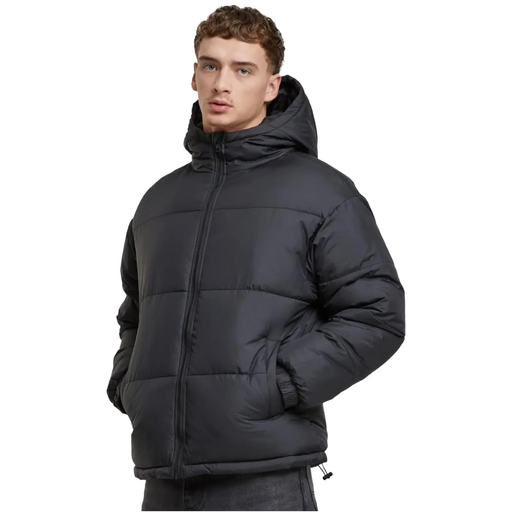
Why it suits this profile: This hooded padded jacket is designed for days out in town, running errands, travelling and commuting in cold weather.
The product description clearly lists the materials and washing instructions. This means the jacket isn’t automatically presented as a technical waterproof jacket.
100% polyester filling; polyamide outer fabric; hood and care instructions in line with the stated washing directions.
We’ve put together a complete, up-to-date list of products that meet these strict selection criteria and the applicable European safety regulations.
Always use the size guide for the specific style when choosing a women’s or men’s jacket. Sizes can vary between brands and styles. If possible, measure:
Also check that there’s room for a fleece jacket or jumper underneath. Fastenings, zips and hook-and-loop closures can get damaged in the wash if they’re left undone. So follow the care label. Some jackets shouldn’t be tumble-dried; for styles with a DWR finish, the manufacturer may give specific instructions for maintaining the water-repellent treatment.
For short showers, a windproof jacket with a water-repellent finish may be enough. For prolonged rain, it’s better to choose a waterproof jacket with information about its seams, membrane and hood. Breathability and ventilation zips are particularly useful for strenuous walks.
A rain jacket is usually a lightweight outer layer that protects you from rain. A 3-in-1 jacket typically combines a shell with a removable insulating layer. You can wear the layers separately or together, depending on the temperature and your activity.
Its lifespan depends on how often you wear it, how you wash and store it, and how much friction it’s exposed to. A jacket worn for everyday cycling will wear differently from one used for occasional walks. Clean it according to the care label, avoid unsuitable detergents and regularly check the zips, seams and water-repellent finish.
