
Vandaag of morgen in huis

Kwaliteit gegarandeerd

Welkomstaanbiedingen ontgrendelen: GRATIS bezorging | Tot 80% korting | Gratis 30 dagen JoyPlus-proefperiode
Download de app
A good outdoor jacket should suit the weather, your activity and the clothes you wear underneath. A jacket for your daily bike ride needs different features from one for hiking, camping or winter sports. Yet many styles look much the same at first glance.
Most disappointing purchases come down to three common pitfalls:
So don’t focus only on the brand or appearance. Check the materials, seams, hood, ventilation, pockets and size guide.
A waterproof jacket needs more than just a water-repellent outer layer. Check whether the product description mentions:
A DWR coating helps raindrops roll off the outer fabric. Its effectiveness can decrease with use and washing. Always follow the care label and check whether reproofing is allowed.
According to the product description, the THE North Face NF0A8DY2 features DryVent fabric with sealed seams and a Non-PFC DWR finish. These are product features you can verify. The brand describes it as offering protection from rain and snow; treat this as a claim made by the brand and choose according to how you intend to use it.
A breathable jacket allows moist air to escape from the inside more effectively than a fully sealed waterproof jacket with no ventilation. For walking, running and hiking, underarm zips, ventilation openings and a fit that isn’t too tight are useful features.
Bear in mind that “breathable” on its own doesn’t tell you how much moisture the jacket can transfer. A specific breathability or waterproof rating is more useful, if the manufacturer provides one. If no figures are available, look at the construction and intended use rather than relying on marketing terms alone.
A windproof jacket with a fleece lining can be comfortable in dry, blustery weather. However, a softshell jacket may not be enough for prolonged rain. If you’re expecting changeable conditions, you can wear a fleece as a mid-layer under a waterproof outer layer.
A men’s or women’s outdoor jacket should give you room to move without the fabric flapping loosely. If possible, measure your chest, waist, hips and arm length, then compare these measurements with the size chart for the specific style.
Also check:
A standard fit isn’t the same as a roomy winter fit. With a 3-in-1 system, you’ll also need to allow for both layers.
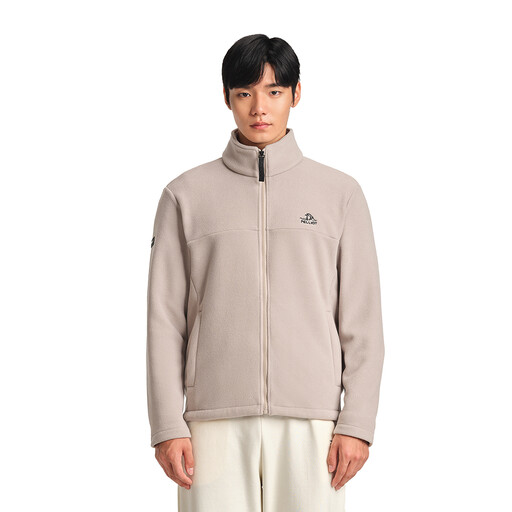
Why it suits this profile: A fleece jacket is a practical first layer for everyday wear, dry walks and as an extra layer under a waterproof jacket. Product information is limited, so check the exact fabric composition, size and water resistance on the product page before buying.
Its role as a mid-layer is clearer than that of a jacket promising warmth, rain protection and ventilation all at once. In wet weather, pair this style with a separate waterproof outer layer.
Easy to use as a lightweight insulating layer; available in several sizes within the same product range.

Why it suits this profile: This 3-in-1 style is designed for changeable conditions. According to the product description, it consists of a protective outer layer and a down inner jacket, which can be worn separately or together.
The layers aren’t permanently attached to each other. This lets you adjust the warmth and avoids having to rely on one heavy jacket in every type of weather.
GORE-TEX outer fabric according to the product information; 550 fill power down insulation; adjustable hood, cuffs and hem.
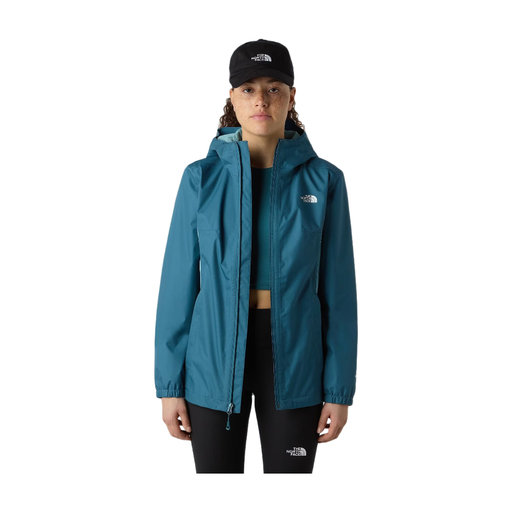
Why it suits this profile: According to the product description, this women’s outdoor jacket is designed for hiking and wet, windy conditions. It can be worn on its own or zipped into compatible Triclimate products.
The combination of wind and rain protection with a zip-in system makes this a versatile option with clearly stated features. Just check that your other layer is actually compatible.
The brand describes DryVent as waterproof, windproof and breathable; the jacket has an adjustable hood and cuffs, plus zipped pockets.
Even a well-chosen jacket can lose its performance more quickly if it isn’t cared for properly. Fasten zips and hook-and-loop fastenings before washing, use a mild detergent and follow the care label. Don’t use bleach unless the label says it’s suitable. Don’t put a jacket with a DWR finish in the tumble dryer without checking the instructions first.
Don’t assume that a fleece jacket and a waterproof outer layer can be washed in the same way. A waterproof jacket may need reproofing over time. Also check the seams, zips and cuffs regularly for signs of wear.
We’ve put together a complete, up-to-date list of products that meet these strict selection criteria and current European safety regulations.
Choose a jacket with proven rain protection, an adjustable hood and enough room for a mid-layer. A fleece jacket paired with a waterproof outer layer gives you flexibility. For strenuous activity, ventilation zips and breathable fabric are useful.
A softshell jacket is often wind-resistant and water-repellent, but it isn’t automatically waterproof. Check whether the product description mentions a waterproof membrane, taped seams or a hydrostatic head rating. Without that information, a softshell is best suited to dry weather and light showers.
That depends on how you use and care for it, as well as the materials it’s made from. Daily cycling, a heavy rucksack and frequent washing put more strain on the fabric and seams than occasional use. Store your jacket when it’s dry, follow the care label and renew its water-repellent finish only in line with the manufacturer’s instructions.
