
Vandaag of morgen in huis

Kwaliteit gegarandeerd

Welkomstaanbiedingen ontgrendelen: GRATIS bezorging | Tot 80% korting | Gratis 30 dagen JoyPlus-proefperiode
Download de app
An outdoor jacket needs to cope with changeable weather in the UK. However, not every jacket sold as waterproof or windproof is suitable for long walks, cycling or strenuous outdoor activities. A lightweight rain jacket, for example, may offer little warmth, while a warm winter coat can quickly feel stuffy when you’re active.
So don’t focus only on the brand, colour or discount. The right choice depends above all on weather protection, breathability, fit and when you plan to wear it.
A DWR coating, or Durable Water Repellent, helps raindrops roll off the outer fabric. That doesn’t automatically mean the jacket will keep you completely dry in prolonged rain. Check whether the product description mentions a waterproof membrane, taped seams and a suitable closure around the hood and cuffs.
A rain jacket without properly finished seams can still let moisture in around the shoulders and zips. You might not notice much difference on a short commute, but it soon becomes apparent on a long walk.
A breathable jacket allows moisture vapour to escape from the inside. However, how well it works depends on your activity level, the temperature, your base layers and ventilation. A hardshell jacket designed for heavy rain may feel perfectly comfortable for a gentle stroll around town, but ventilation is still important when running or climbing.
Where possible, look for a measurement such as MVTR in grams per square metre per 24 hours. This figure is only useful if the manufacturer clearly states which test method was used. Treat a brand’s claim as product information, rather than a guarantee that the jacket will perform the same way for everyone.
An outdoor jacket should fit well without pulling across your shoulders or under your arms. If you wear a fleece in autumn or an insulating mid-layer in winter, check the chest, waist and sleeve measurements. A jacket that’s too loose can let wind in; one that’s too tight restricts movement and makes layering uncomfortable.
For wet weather, fully taped seams, an adjustable hood and a covered or water-resistant zip are all worth looking for. A 2-layer or 3-layer hardshell jacket is generally designed to be worn as an outer layer. It keeps rain and wind out, but usually provides little insulation of its own. In cold weather, wear it with a fleece or warm mid-layer.
A hydrostatic head rating can help you compare products. Check whether the manufacturer provides the figure and which test method was used. Without that context, two figures may not be directly comparable.
For walking, trekking and cycling, mesh panels, a lightweight lining and, where available, ventilation zips can be useful. A heavily insulated jacket, such as a winter coat, retains warmth better but may feel less adaptable during exercise.
According to the product description for the PELLIOT fleece-lined jacket, it has a hydrostatic head of 35.900 mm H₂O and an MVTR of 16.000 g/m²/24 hours. These are manufacturer-provided figures; check the current product page and terms of use before using them as a basis for comparison.
A hooded jacket is handy for sudden showers, but check how it can be adjusted. A drawcord, elasticated cuffs and an adjustable hem help reduce gaps where wind could get in. For commuting, zipped hand pockets are practical. When walking with a rucksack, chest pockets may be easier to reach.
Check the care instructions too. Wash the jacket according to the label, fasten the zips before washing and don’t use bleach unless the label says it’s safe. The water-repellent finish may become less effective over time. Some product descriptions recommend reproofing the jacket; always follow the manufacturer’s instructions.
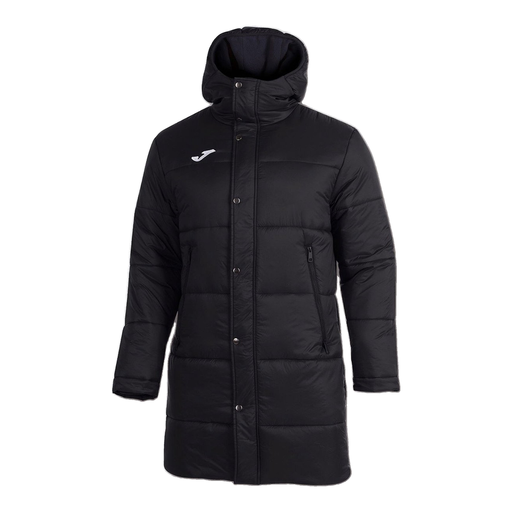
Why it suits this profile: According to the product description, this parka is designed for cold-weather everyday wear and combines a lined construction with a hood, cuffs and several pockets.
The description highlights more than just warmth: it also mentions an adjustable hood, cuffs and an outer layer described as waterproof. Check the latest product details and care label.
Lined construction, hood, fleece lining and several zipped pockets, according to the product information.
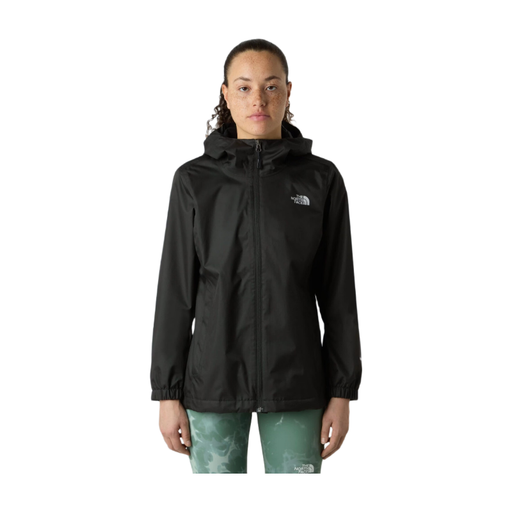
Why it suits this profile: According to the product description, the Quest Jacket is a women’s walking jacket made with DryVent fabric, a mesh lining and adjustable features.
The listed features include fully sealed seams, wind protection and an adjustable hem. That gives you more specific details than simply calling it a “rain jacket”.
DryVent 2L, mesh lining, adjustable hood and sizes from XS to 3XL, according to the product page.
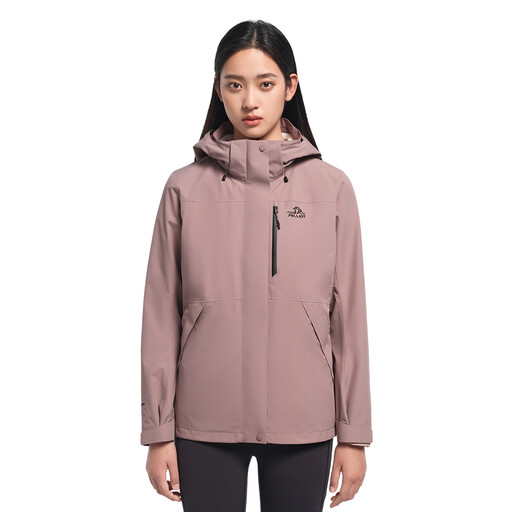
Why it suits this profile: According to the product description, this 3-in-1 jacket is designed for camping, trekking and commuting through changing seasons.
The removable or separately wearable layers let you adjust the warmth. The technical figures quoted are manufacturer claims and should be treated as product information.
3-in-1 design, fleece lining, adjustable hood and sizes from S to XXXL, according to the product description.
We’ve put together a full, up-to-date list of products that meet these strict selection criteria and the applicable European safety requirements.
Yes, depending on the style. A lightweight windproof jacket is practical for cycling and running errands in between seasons. A lined winter coat is better suited to cold days. If you’re looking for one jacket for a range of conditions, you can pair a hardshell with a fleece or insulating layer.
Always follow the care label. Fasten the zips, use a mild detergent and avoid fabric conditioner if the manufacturer advises against it. Let the jacket dry according to the instructions. If water no longer beads on the outer fabric, it may need reproofing. This won’t automatically restore all the properties of a worn membrane or damaged seams.
Its lifespan depends on how often you wear it, friction, washing and storage. A jacket worn every day with a rucksack will wear out faster around the shoulders and hips. Store it clean and dry, check the zips and seams regularly, and choose a jacket that allows you to move comfortably. This helps prevent unnecessary wear and keeps the jacket suitable for the purpose you chose it for.
