
Vandaag of morgen in huis

Kwaliteit gegarandeerd

Welkomstaanbiedingen ontgrendelen: GRATIS bezorging | Tot 80% korting | Gratis 30 dagen JoyPlus-proefperiode
Download de app
A good outdoor jacket needs to do more than just look sporty. In the Netherlands, rain, wind and temperatures change regularly, whether you are out walking or cycling to work. Even so, there is no need to automatically choose the most expensive model. Focus on the conditions in which you will use the jacket, how the material is constructed and whether there is enough room for layers.
The product recommendations below are based on verifiable information from the product descriptions, such as materials, fastenings, fit and care instructions.
A coating that makes raindrops bead on the surface is not the same as a waterproof jacket. Check whether the description refers to a waterproof membrane, sealed seams or a fully taped construction. A Durable Water-Repellent finish, often abbreviated to DWR, helps water run off the surface. This finish can become less effective with use and washing.
Breathability helps to move moisture vapour outwards, but performance also depends on exertion, humidity, clothing layers and ventilation. A hardshell jacket can combine protection from rain and wind with breathable properties, but during intensive running, additional ventilation under the arms can still be useful.
A jacket that fits well over a thin shirt may become too tight when worn over a fleece jacket or jumper. Measure your chest, waist and arm length, and always check the size guide for the specific model. A looser fit is practical for hiking and camping, while a more fitted jacket can be comfortable for commuting or running.
For prolonged rain, sealed or taped seams, an adjustable hood and a storm flap around the zip are practical features. Pay attention to the pockets too: zipped pockets protect your belongings better than open hand pockets.
A rain jacket for short trips around town does not need the same construction as a jacket for mountain hikes. For a jacket used for hiking and camping, protection around the hood, cuffs and hem is particularly important.
A windproof jacket limits the effect of cold air, especially in open polders, on beaches and along cycle paths. An adjustable hem, cuffs and a high collar help to reduce draughts around the sleeves and lower edge. A fleece back can improve comfort, but on its own it does not provide protection from rain.
A shell or hardshell jacket is generally designed to be worn as an outer layer. On cold days, you can wear a fleece jacket or insulating mid-layer underneath it. A 3-in-1 jacket usually combines a protective outer jacket with a warm inner layer. These layers can be worn separately or together, depending on the weather.
A men’s parka is an appealing option for everyday use in the city, as its longer cut and insulation can provide extra warmth. For active walks, a lighter walking jacket with greater freedom of movement may be more suitable.
Many outdoor jackets are made from polyester or nylon. Polyester can be lightweight and quick-drying, while nylon is often known for its hard-wearing properties. Check the exact composition for each product. Wash a jacket according to the label and fasten zips and hook-and-loop closures before washing. Do not use bleach unless permitted. Incorrect care can affect the fit, coating or insulation.
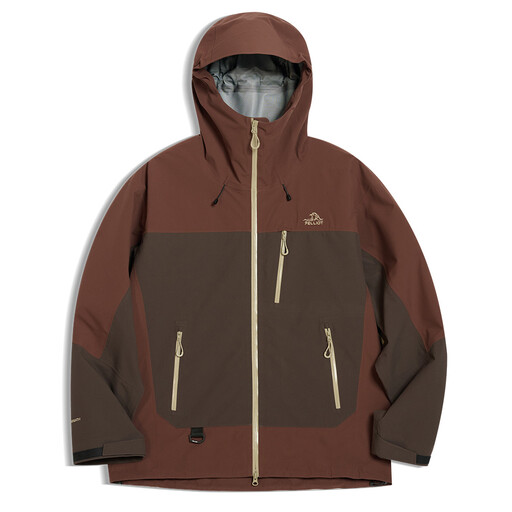
Why it suits this profile: This unisex hardshell is designed for camping, travelling and everyday outdoor use. The size guide includes body measurements and a separate height-and-weight combination, making comparisons easier.
The product description refers to a waterproof, breathable and hard-wearing outer fabric. When purchasing, check the current product specifications and allow enough room for a mid-layer.
Stormproof waterproof fabric, protection from the wind and a colour-block design for use on the trail or in the city.
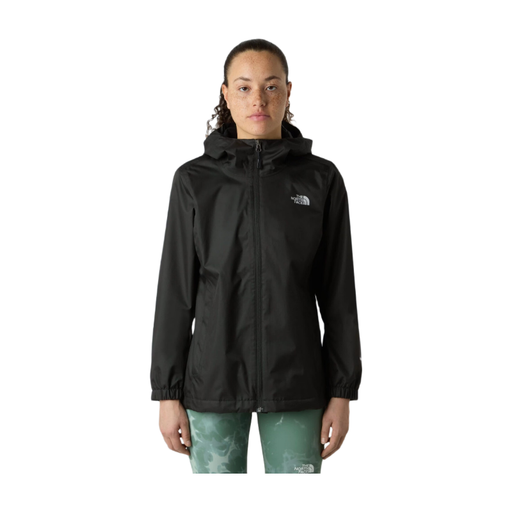
Why it suits this profile: According to the product description, this women’s outdoor jacket is designed for walking and changeable conditions. The DryVent outer layer and mesh lining are intended to provide protection from water and wind while helping to move moisture away from the body.
The description mentions fully sealed seams, an adjustable hood and an adjustable hem. This means important details can be verified beyond the brand name alone.
2-layer DryVent fabric, mesh lining, zipped pockets and sizes from XS through to 3XL according to the stated size chart.

Why it suits this profile: This 3-in-1 jacket is suitable for anyone looking for one system to use across different seasons and during longer outdoor activities. The inner and outer layers can be worn separately or together.
Rather than simply looking for a warm winter jacket, you can assess the layering system here. The outer layer has taped seams and ventilation zips under the arms.
Protective shell, insulating inner jacket, adjustable hood and 550 fill power down according to the product information.
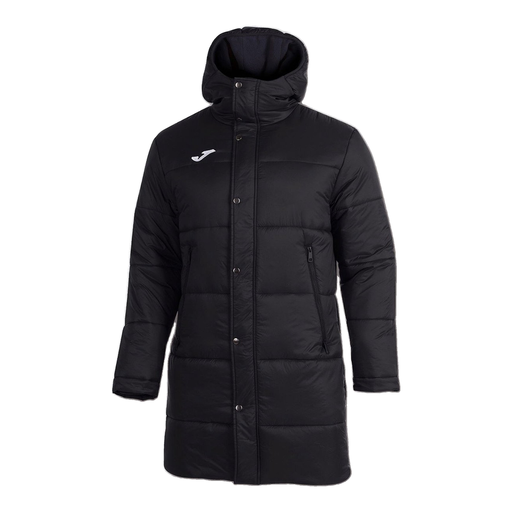
Why it suits this profile: This men’s parka is designed for colder days in the city, travelling to work and everyday outdoor use. Its longer, insulated construction suits anyone primarily looking for warmth and plenty of pocket space.
The description mentions not only insulation, but also an adjustable hood, cuffs and several pockets. Consider whether the weight and length will remain comfortable for your intended use.
Insulated construction, water-resistant outer layer, fleece lining and a regular fit according to the product details.
We have put together a complete, up-to-date list of products that fully meet these strict selection criteria and the applicable European safety regulations.
Look for a waterproof outer layer, sealed seams, an adjustable hood and protected zips. A DWR coating alone does not tell you enough about long-term waterproofing. Also check the care instructions and whether the water-repellent finish can be reapplied.
Its lifespan depends on how often you wear it, friction from rucksack straps, exposure to rain and how well it is maintained. Wash it according to the label, use a mild detergent and allow the jacket to dry as instructed. Check the zips, seams and outer finish before reproofing it.
The price is influenced by the material, brand, insulation, construction and additional features such as ventilation zips or a removable inner layer. So do not compare the price alone; consider how you intend to use the jacket too. A lightweight rain jacket may be enough for commuting, while a 3-in-1 jacket could be more appealing if you want to use several layers separately.
