
Vandaag of morgen in huis

Kwaliteit gegarandeerd

Welkomstaanbiedingen ontgrendelen: GRATIS bezorging | Tot 80% korting | Gratis 30 dagen JoyPlus-proefperiode
Download de app
An outdoor jacket needs to cope with changeable weather in the UK. However, it is not always easy to assess product claims accurately. For example, a jacket described as waterproof on its product page may be less suitable for vigorous activity if it lacks ventilation. And a warm jacket may be too heavy for a brisk walk or cycle commute.
As a Joybuy Product Recommendation Officer, I focus on verifiable specifications, materials, fit and the intended use of each jacket.
A water-repellent outer layer helps in light rain, but it does not automatically mean a jacket can cope with prolonged rainfall. Check whether it has a waterproof membrane, a hydrostatic head rating and, where relevant, taped seams. Seams, zips and cuffs are often weak points.
A waterproof jacket or hardshell is generally better suited to heavy showers than an ordinary windproof jacket with only a DWR finish.
A high hydrostatic head rating sounds appealing, but construction matters too. Check for:
According to the product description, the PELLIOT 3-in-1 jacket has a hydrostatic head rating of 35.900 mm H₂O according to JIS, breathability of 16.000 g/m²/24 hours according to JIS and abrasion resistance of more than 40.000 rub cycles. These are product specifications provided by the brand. They offer a useful point of comparison, but do not guarantee performance in every type of weather or situation.
An outdoor jacket should fit well over more than just a T-shirt. In autumn and winter, you may want to wear a fleece jacket or insulating layer underneath. Shoulders that are too tight can restrict your movement, while a jacket that is too loose may let in draughts.
Measure your chest, waist, hips and arm length, then compare them with the size chart for the specific model. Sizing varies between brands and even between jackets. Also check whether you are looking at a men's, women's or unisex jacket.
For a jacket for camping and trekking, practical features to look for include a waterproof outer layer, sealed seams and an adjustable hood. If you mainly cycle or walk in town, a windproof jacket with light rain protection may be all you need.
According to the product description, the The North Face NF0A8DY2 Estate Blue is made with DryVent fabric, sealed seams and a PFC-free DWR finish. The material is made from 100% recycled polyester. The jacket also has a hood, chest pocket and zipped hand pockets.
Running, brisk walking and trekking generate more body heat and moisture. A fully closed jacket can then feel clammy. For more strenuous activities, look for a stated MVTR rating, ventilation zips or a construction designed to help move moisture away from your body.
Do check the testing method. An MVTR rating is only easy to compare when the same standard and unit have been used. Breathability claims come from the brand's product information and should not be taken as a guaranteed experience in all conditions.
A fleece jacket is primarily an insulating mid-layer and is usually not designed to provide full protection from heavy rain. A 3-in-1 jacket typically combines an outer layer with a removable inner jacket. You can wear the layers separately or together.
This is useful when temperatures vary, but check that both layers fit well and that the inner jacket leaves enough room to move. On milder days, wearing just the shell may be more comfortable; in cold, wet conditions, the combination may work better.
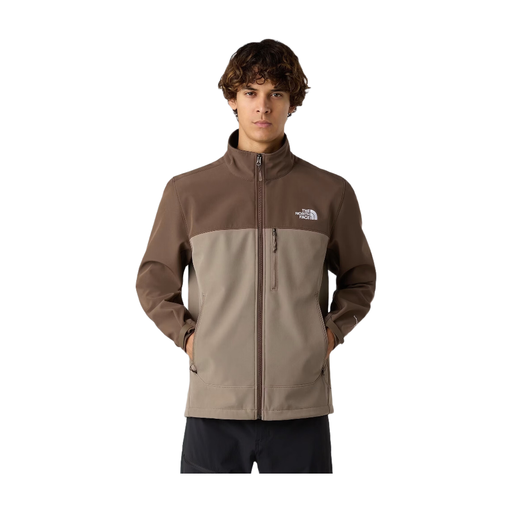
Why it suits this profile: This windproof jacket is designed for everyday wear, light outdoor activities and spring walks. The fleece lining means you may need fewer layers in changeable weather.
The product description mentions wind protection, zipped pockets and an adjustable hem, but does not present this model as a full waterproof jacket. That helps avoid expecting it to stand up to heavy rain.
93% polyester and 7% elastane; fleece lining; zipped chest and hand pockets; adjustable cuffs and hem.

Why it suits this profile: This Triclimate 3-in-1 system is designed for people who want one combination for different weather conditions, with several ways to wear it.
You can wear the layers separately or together. This means you don't have to wear one heavy jacket when you only need a shell or an insulating layer.
Outer layer with taped seams; adjustable hood and hem; underarm zips; inner jacket with 550 fill power down, according to the product information.
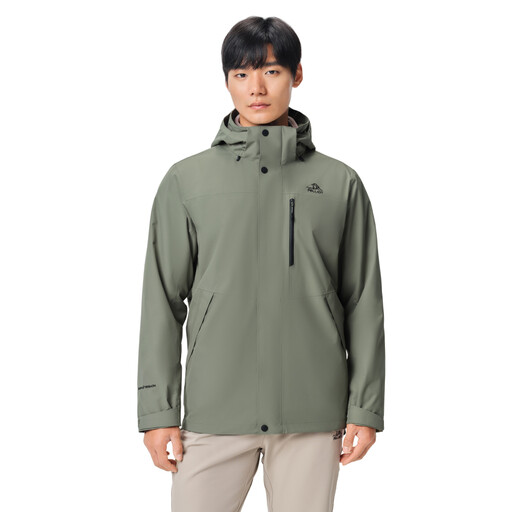
Why it suits this profile: This jacket is designed for camping, trekking and commuting in colder, wetter weather. The shell and fleece combination gives you several ways to wear it.
The specifications mention not only waterproofing, but also breathability, abrasion resistance and an adjustable hood, hem and cuffs.
3-in-1 design; stated hydrostatic head of 35.900 mm H₂O; MVTR of 16.000 g/m²/24 hours; wear the shell, lining or combination separately.
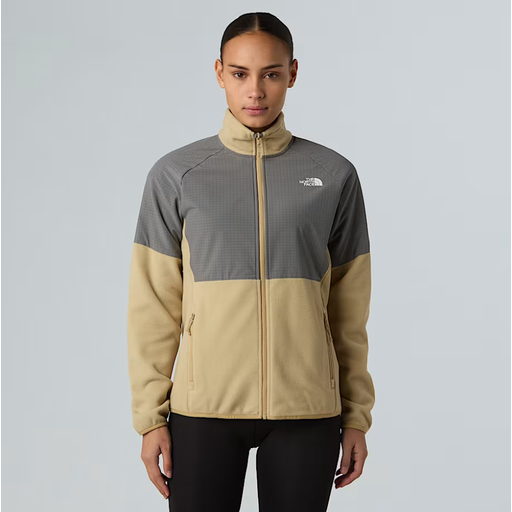
Why it suits this profile: This fleece jacket works as a warm mid-layer for walking, climbing and camping. You can pair it with a breathable waterproof outer layer.
The product description positions this model as a mid-layer. That helps you avoid treating a fleece jacket as a standalone waterproof jacket.
100% polyester fleece; full-length zip; zipped pockets; suitable for wearing under compatible Triclimate jackets.
We've put together a complete, up-to-date list of products that meet these strict selection criteria and the applicable European safety regulations.
An outdoor jacket's lifespan depends on more than just its material. Wash it according to the care label, fasten zips and hook-and-loop fasteners before washing, and use a mild detergent. Avoid bleach unless the care instructions say it is suitable. Hang many jackets to dry, and avoid tumble-drying if the instructions advise against it.
The water repellency of a jacket with a DWR finish may decrease over time. Check the care label before reactivating the finish or reproofing the jacket. Store it completely dry, and avoid leaving a hardshell stuffed in a wet bag for long periods.
For prolonged or heavy rain, a waterproof hardshell or rain jacket is generally a better choice than an ordinary windproof jacket. Check the hydrostatic head rating, seams, hood and zip construction. For everyday wear in light showers, a jacket with a DWR finish may be sufficient.
It can be, especially if you want to wear the jacket in different temperatures. A 3-in-1 jacket usually gives you a shell, an inner layer and the option of wearing them together. Check the weight, the fit with both layers on and the care instructions.
Measure your chest, waist, hips and arm length, then compare them with the size chart for the exact model. Allow room for a fleece jacket or extra jumper underneath. Don't automatically choose the same size as you would in another brand or garment.
