
Vandaag of morgen in huis

Kwaliteit gegarandeerd

Welkomstaanbiedingen ontgrendelen: GRATIS bezorging | Tot 80% korting | Gratis 30 dagen JoyPlus-proefperiode
Download de app
An outdoor jacket needs to cope with more than a passing shower in the Netherlands. You’ll encounter wind, prolonged rain, changing temperatures and sometimes strenuous activity. Yet the options can seem more straightforward than they really are. Terms such as “waterproof”, “breathable” and “warm” only tell you so much unless you know what construction and specifications they refer to.
In this buying guide, you can compare the key features of an outdoor jacket and see which styles suit different activities.
A water-repellent jacket can keep light rain at bay for a while, but that doesn’t necessarily make it suitable for a long walk in a heavy downpour. Check whether the product information mentions a waterproof outer layer, a membrane or taped seams. The terms “water-resistant” and “water-repellent” on their own offer less assurance.
Pay attention to the zips, hood and cuffs too. Water can get in through these areas, even if the fabric itself lets very little moisture through.
A padded jacket or parka with synthetic filling is practical for sitting still, commuting and cold winter weather. However, it can get too warm when trekking or walking at a brisk pace. An insulated jacket or hardshell with room for several layers gives you more flexibility.
The marketing term “breathable” is no guarantee you’ll stay dry, either. Fit, ventilation zips, base layers and how hard you’re working all play a part.
An outdoor jacket that’s too tight restricts your movement and leaves little room for a fleece or insulating layer. One that’s too loose can flap in the wind and allow protective features to shift out of place. So don’t just look at S, M or L: compare chest, shoulder width, sleeve and back length with a jacket that already fits you well.
A unisex jacket may fit differently from a specific women’s or men’s style.
There’s more to a waterproof outdoor jacket than just the fabric. Check:
A hardshell is usually designed as a protective outer layer. It generally offers less insulation than a men’s winter coat, but is suitable for wearing over a base layer and fleece.
If you cycle, walk or climb, you’ll benefit from moisture being carried away from your body. Product descriptions use terms such as “moisture breathability” or “moisture-wicking” for this. These describe features as stated by the manufacturer; how they work in practice depends on the conditions.
Look for:
A windproof jacket can be comfortable on a bike or by the coast, but it won’t necessarily be fully waterproof.
A parka and a padded jacket are designed to keep you warm. Check what type of filling is used and how thick the jacket is. Synthetic insulation is practical for everyday wear and is often easy to care for. Down can be lightweight, but needs more care when it gets wet and during cleaning.
A 3-in-1 system consists of an outer layer and an inner jacket, which you can wear separately or together. This is handy when conditions change, but buying and looking after one can be more complicated than with a single jacket.
A motorcycle protective jacket isn’t the same as a regular outdoor jacket. For motorcycling, check:
If no standard or certification information is provided, ask for it before using the jacket as a motorcycle jacket with a back protector. A product description alone doesn’t prove its level of protection.
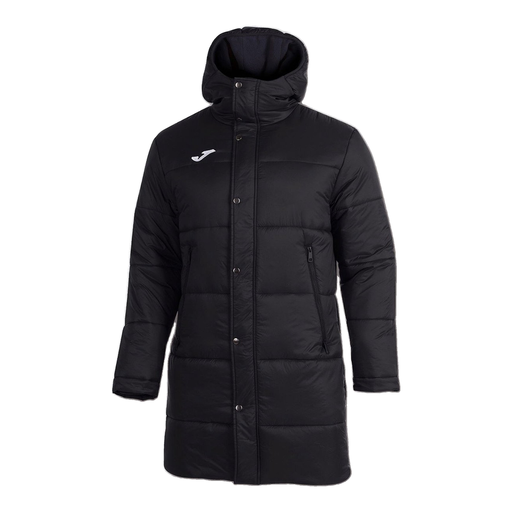
Why it suits this profile: This parka is designed for everyday wear, cold days and city commutes. The lining, hood and multiple pockets make it practical, without the need to put together a technical layering system.
The product information mentions both insulation and a waterproof outer layer. Do check the product details and fit before relying on it in prolonged heavy rain.
Insulated construction, adjustable hood and cuffs, multiple pockets and a regular fit.

Why it suits this profile: The Triclimate 3-in-1 system is a good choice if you want one combination that you can adapt for rain, cold weather and milder days.
You can wear the layers separately, so you don’t need to wear the same thick jacket in every type of weather.
Outer layer with taped seams and underarm zips; inner jacket with 550 fill power down, according to the product information.
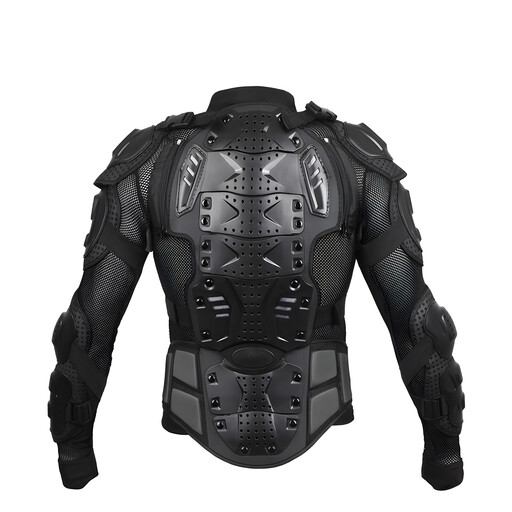
Why it suits this profile: This protective jacket is designed for off-road motorcycling and other activities where freedom of movement and upper-body protection are important.
According to the product description, the protectors are adjustable and removable. Always check the sizing and available certification information before buying.
PE, EVA and mesh materials according to the product information; protection for the chest, back, shoulders, elbows and waist.
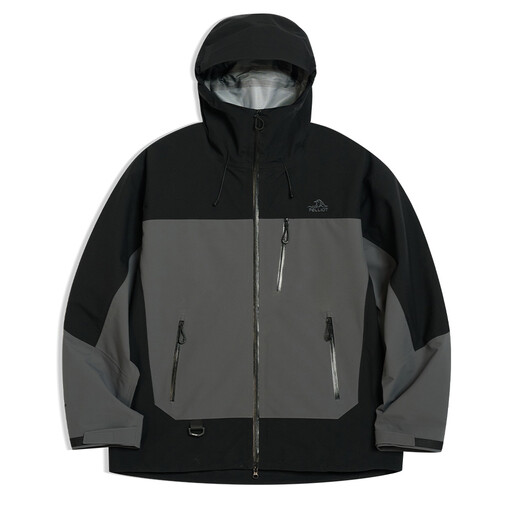
Why it suits this profile: A hardshell is a practical choice if you’re looking for a protective outer layer for walking, trekking, camping and changeable weather.
The manufacturer describes it as waterproof, windproof and hard-wearing. A hardshell doesn’t need much insulation, so you can adjust how warm you are by adding or removing layers.
The product information mentions high moisture breathability, a hard-wearing outer layer, adjustable sizing and sizes from XS to XXL.
We’ve put together a full, up-to-date list of products that meet these strict selection criteria and the applicable European safety regulations.
Choose a jacket whose product information clearly states that it is waterproof. A hardshell with an adjustable hood, snug cuffs and sealed seams is suitable for protection from the rain. You’ll usually need an extra fleece or insulating layer for warmth.
Always follow the care label. Don’t use fabric softener if the manufacturer advises against it, close the zips before washing, and leave the jacket to air-dry if instructed. Heat, the wrong detergent and a high-speed spin can affect the finish.
A men’s winter coat is mainly designed for warmth and everyday comfort. A trekking jacket focuses more on layering, freedom of movement, low weight and moisture management. A parka may be more comfortable for commuting; for active walks, a breathable hardshell is often more versatile.
