
Vandaag of morgen in huis

Kwaliteit gegarandeerd

Welkomstaanbiedingen ontgrendelen: GRATIS bezorging | Tot 80% korting | Gratis 30 dagen JoyPlus-proefperiode
Download de app
Good outdoor garden lighting needs to do more than look attractive. The light must suit its location, provide enough illumination and withstand rain, dust and changing temperatures. Yet garden lighting choices often go wrong because product claims are unclear or specifications are not read carefully.
For example, a lamp with a high light output may be too bright for a patio, while a decorative solar lamp may not provide enough light along a dark driveway. IP65 waterproof is also sometimes interpreted as “suitable for placing underwater”, even though an IP rating mainly provides information about protection against dust and water under specific conditions.
With this selection guide, you can compare LED outdoor lighting, solar garden lights, ground spotlights and smart lamps based on practical criteria.
A modern black lamp may complement your garden beautifully, but its size and light distribution determine whether it is practical too. A pathway usually needs even, downward-facing illumination. For a tree or façade, a focused spotlight is often more suitable.
Therefore, pay attention to:
The IP rating consists of two digits. The first digit refers to protection against solid particles, while the second refers to water. IP44 is suitable for splashing water, but not for immersion or direct water jets. IP54 offers, among other things, protection against dust and splashing water. IP65 provides greater protection against dust and water jets, but still does not mean that the lamp can be placed in a pond.
For a sheltered veranda, IP44 may be sufficient. For an exposed garden, flower bed or driveway, a higher level of protection is often more practical.
An outdoor solar-powered lamp needs direct daylight to charge its battery. Under a tree, next to a high fence or on a north-facing balcony, its operating time may therefore be reduced. According to the UME solar pathway lighting product description, 6 to 8 hours of direct sunlight is recommended for charging.
Also check whether the solar panel is easy to clean. Dust, leaves and deposits reduce the amount of light captured by the panel.
Lumens indicate how much light a lamp produces. A low value, such as 10 lumens per lamp, is mainly suitable for decorative pathway lighting or marking out a flower bed. For functional lighting by an entrance, patio or driveway, a higher light output makes more sense.
Colour temperature determines the appearance of the light:
A higher light output is not automatically better. Light that is too bright can cause glare or detract from the atmosphere on a patio.
Choose between mains power, batteries or solar energy. A lamp with a plug, such as the Philips Cylr ground spotlight, requires a suitable outdoor socket. According to the product’s safety information, this spotlight must be connected to an outdoor-rated socket protected by a residual-current device.
Solar lighting is easier to install because no power cable needs to be connected to a socket. However, its performance depends on sunlight and battery capacity. A smart lamp with a separate solar panel may offer greater flexibility when positioning it, but you will need space for the panel and, in some cases, a Bluetooth connection.
Many outdoor lamps combine aluminium, steel, ABS or PE. Die-cast aluminium feels sturdy and suits fixed pathway or patio lighting. ABS and PE are lightweight and practical for portable or solar lamps. For metal components, check whether a corrosion-resistant finish is specified.
Clean solar panels and light covers regularly with a soft, damp cloth. Switch off mains-powered lamps and unplug them before cleaning.
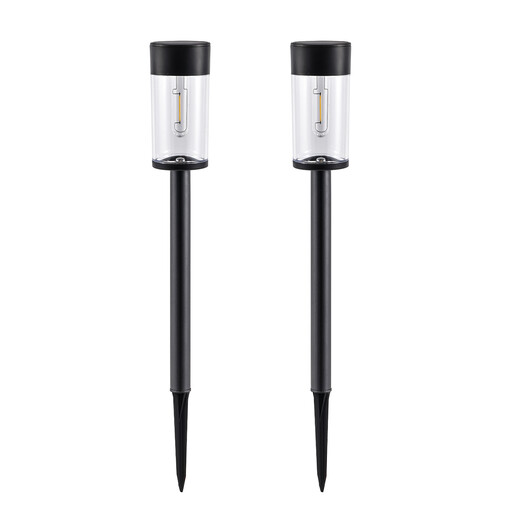
Why it suits this profile: This set contains two lamps with ground spikes and automatic switching on and off. That makes it suitable for creating your first lighting plan along a garden path, flower bed or driveway.
The product specifications state 10 lumens per lamp and IP65. This makes it clear in advance that these are mainly soft pathway and accent lights, rather than powerful driveway lamps.
Solar power, warm white light at 3000K, automatic operation and supplied as a pack of two.
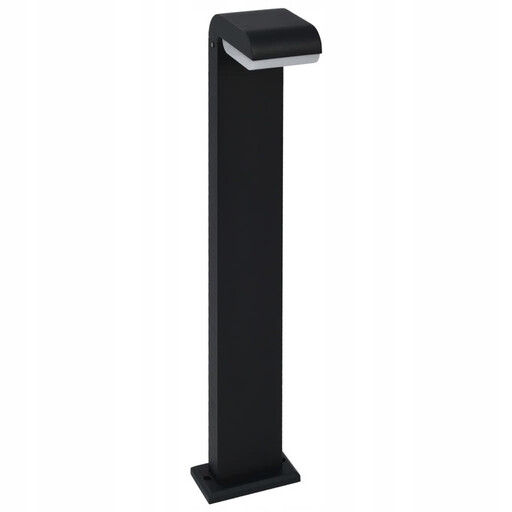
Why it suits this profile: This fixed garden lamp combines a die-cast aluminium housing with an integrated LED and downward-facing light. It is well suited to a contemporary garden or a permanent walkway.
The light output of 550 lumens and the downward-facing light pattern are clearly specified. The IP54 rating also makes it clear that the lamp is weather-resistant, but is not intended for immersion.
9 W integrated LED, 550 lumens, die-cast aluminium and a height of 800 mm.
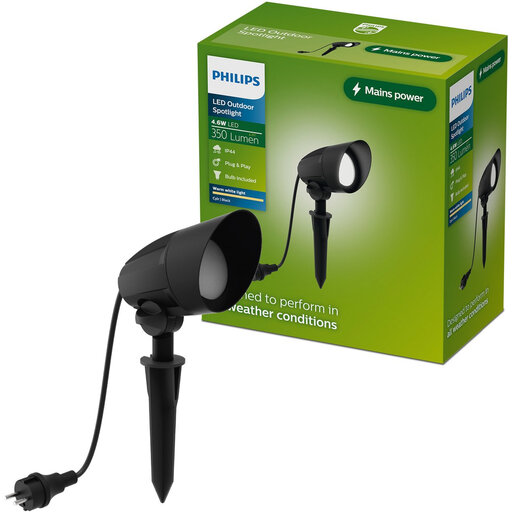
Why it suits this profile: This adjustable ground spotlight is designed to illuminate a tree, shrub, façade or driveway feature. The supplied GU10 LED and plug make it straightforward to use.
The IP44 rating is clearly stated. Therefore, position the spotlight away from direct high-pressure water jets and use a suitable outdoor socket.
350 lumens, 2700K warm white light, 4,6 W power and a 150 cm cable.
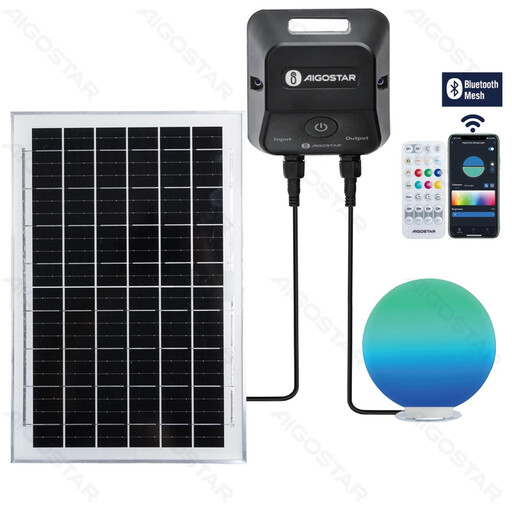
Why it suits this profile: This solar ground light is aimed at users who want to combine colour, scheduling and brightness control with an installation that does not require a fixed power cable.
The product specifications state IP65, a charging time of 4 to 6 hours and a maximum battery life of 24 hours. However, check beforehand that the chosen location receives enough sunlight.
RGB plus adjustable white light, Bluetooth Mesh, scheduling and brightness control.
We have put together a complete, up-to-date list of products that fully meet these strict selection criteria and the applicable European safety regulations.
For an extra touch of atmosphere, you can use a copper wire light with 232 LEDs and eight lighting functions. The Feeric Technotrend is 2,2 metres long and provides warm white light. This type of lamp is mainly suitable as a decorative addition along a fence, on a patio or around a balcony.
That depends on the location. IP44 is designed to protect against splashing water and is suitable for sheltered areas. IP54 offers additional protection against dust. IP65 is more suitable for an exposed location with rain and dust. None of these ratings means that the lamp can be placed underwater.
The operating time depends on sunlight, battery capacity, temperature and the selected light intensity. According to the product information for some models, a fully charged battery can provide light for several hours. In winter or after several cloudy days, the operating time may be reduced. Position the panel in an unobstructed location and clean it regularly.
Energy consumption is mainly determined by the wattage and the number of hours the lamp is switched on. A 9 W lamp that runs for five hours each evening uses more energy than a decorative 1 W lamp. Solar garden lighting does not use electricity from the mains while operating, but its performance does depend on charging via sunlight. For smart models, also check the stated power consumption, battery capacity and charging method.
