
Vandaag of morgen in huis

Kwaliteit gegarandeerd

Welkomstaanbiedingen ontgrendelen: GRATIS bezorging | Tot 80% korting | Gratis 30 dagen JoyPlus-proefperiode
Download de app
An outdoor fleece jacket may seem simple at first glance: soft material, a zip and plenty of warmth. However, models vary considerably in terms of protection, fit and versatility. A fleece gilet can be comfortable during a walk in dry weather, but offers little protection against rain. A 3-in-1 jacket may be more versatile, but requires extra attention to sizing and care.
For conditions in the Netherlands, fluctuating temperatures, wind and rain are particularly important considerations. Below, you’ll find what to look for and which popular choices suit different user profiles.
A thick fleece retains warmth, but is generally not a rain jacket. If you only consider the thickness of the material, you could still get wet during a shower. Check whether the product is intended solely as a mid-layer or also includes an outer layer with water-repellent or waterproof properties.
A waterproof fleece jacket is usually a combination of a fleece or thermal inner layer and a protective outer layer. With a standard fleece gilet, you’ll often still need a separate hard shell.
Terms such as “stormproof”, “breathable” or “durable” mean little without technical information. For example, look for:
According to PELLIOT’s product description, the green 3-in-1 model is tested to a hydrostatic head of 35,900 mm H₂O, breathability of 16,000 g/m²/24 hours and more than 40,000 abrasion cycles. These are product specifications provided by the manufacturer. They offer a useful indication, but weather conditions, wear and maintenance all affect real-world performance.
An outdoor jacket is often worn over a shirt, fleece gilet or thermal layer. A close-fitting design can therefore become uncomfortable. Choosing a size that is too loose, on the other hand, can let in draughts and restrict your freedom of movement.
Measure your chest, waist and arm length, then compare these measurements with the size chart on the product page. With a 3-in-1 jacket, you should also check that the inner and outer jackets both fit properly on their own.
The hydrostatic head is expressed in millimetres H₂O. A higher value indicates greater resistance to water pressure in a laboratory test. Also look for taped seams, water-repellent zips and an adjustable hood. A high hydrostatic head rating does not automatically make a jacket suitable for prolonged rain if the seams or zips are less well protected.
A walking jacket for everyday use may be sufficient with a light water-repellent layer. For camping, mountain trips or prolonged poor weather, an outer layer with clear waterproofing information is the more logical choice.
Breathability is often shown as MVTR: the amount of water vapour released per square metre over 24 hours. A higher value can help remove perspiration during exercise. However, underarm ventilation zips remain practical, particularly when climbing or walking at a brisk pace.
A breathable outdoor jacket is most comfortable when combined with layers that do not unnecessarily retain moisture.
A warm fleece jacket is primarily suitable as an insulating mid-layer. A windproof jacket with adjustable cuffs, hem and hood offers greater protection in exposed terrain. A 3-in-1 system can be worn as an outer jacket, inner layer or combination. This makes a 3-in-1 men’s jacket an appealing option for travel, camping and everyday commuting.
Do pay attention to the temperature range given in the product description. This is a manufacturer’s indication, not a guarantee of a fixed comfort temperature. Your own activity level, clothing layers and wind speed all play a part.
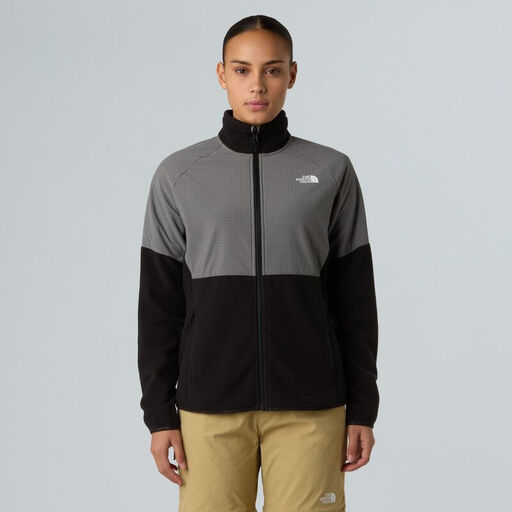
Why it suits this profile: A practical fleece mid-layer for walking, travelling and camping in dry or changeable weather. Pair the jacket with a separate rain layer when needed.
The product description positions this model as a fleece mid-layer. This makes it clear that you’ll need a suitable outer layer for rain.
100% polyester fleece, full-length zip, zipped pockets and a standard fit for layering.

Why it suits this profile: Ideal for anyone looking for a 3-in-1 system for walking and travelling, with a protective outer layer and a warm inner jacket.
According to the product description, the separate layers can be worn on their own or together. However, check exactly what protection the outer layer provides.
3-in-1 wearing options, adjustable cuffs and hem, a hood and underarm ventilation zips.
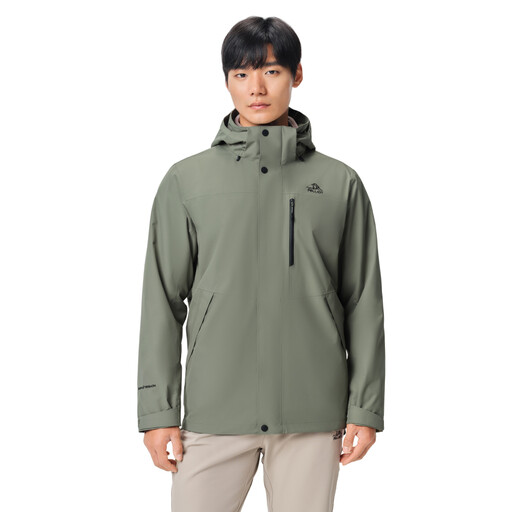
Why it suits this profile: A functional choice for camping, mountain trips and commuting, where wind, rain and wear all matter.
According to the product description, the hydrostatic head, MVTR and abrasion resistance are specified. This allows you to compare the claims more concretely than with a jacket that provides no measurable values.
3-in-1 system, stated hydrostatic head of 35,900 mm H₂O, MVTR of 16,000 g/m²/24 hours, plus an adjustable hood, hem and cuffs.
We’ve put together a complete, up-to-date list of products that fully meet these strict selection criteria and the applicable European safety regulations.
Always follow the jacket’s care label. For the PELLIOT models mentioned, cold washing on a delicate cycle is recommended. Do not use bleach, fasten zips before washing and avoid tumble drying. The The North Face fleece models specify washing at a maximum of 40 °C, air drying and no ironing.
Do not wash fleece unnecessarily hot. Heat can damage the fibres and affect the fit. After a season, also check the seams, zips and any water-repellent finish.
A standard fleece jacket or fleece gilet is primarily an insulating layer and usually offers limited protection against rain. In changeable weather, choose a combination with a waterproof outer jacket or a 3-in-1 model whose outer layer has clear waterproofing information.
Start with a breathable base layer that wicks moisture away from your skin. In lower temperatures, add a fleece inner layer, and use a protective outer layer in rain or strong winds. This allows you to adjust your clothing to your level of exertion and the temperature as you go.
Measure your chest, shoulders and arm length, then compare these measurements with the size chart for the specific model. Leave enough room for a shirt or extra layer, but do not automatically choose a larger size. For the PELLIOT models, check the measurements of both the inner and outer jackets.
