
Vandaag of morgen in huis

Kwaliteit gegarandeerd

Welkomstaanbiedingen ontgrendelen: GRATIS bezorging | Tot 80% korting | Gratis 30 dagen JoyPlus-proefperiode
Download de app
A shower on a walk, a cold wind on your bike or an extra layer that feels too warm on a climb: outdoor clothing needs to suit both your activity and the British weather. It’s easy to pay over the odds for terms such as ‘waterproof’, ‘outdoor’ or ‘technical’ without knowing what you’re actually getting.
As a Joybuy Product Recommendation Officer, I look beyond product descriptions to focus on practical details. Here’s what to consider when choosing a waterproof jacket, windproof jacket, softshell jacket, fleece jacket, walking trousers and other walking clothes.
A water-repellent outer layer can make light rain bead off for a while. That doesn’t necessarily mean the garment will keep you dry in prolonged rain. Check whether the product details mention a hydrostatic head rating, a membrane or taped seams. Without details like these, it’s difficult to assess how waterproof a garment really is.
Pay attention to the zips, pockets and hood, too. A jacket may have waterproof fabric but still let water in through uncovered seams or an open zip.
A heavyweight fleece jacket can feel cosy when you’re sitting still, but heat can build up quickly when you’re walking or climbing. A fleece hoodie or fleece mid-layer often works better with a windproof outer layer. Check the fabric, fit and how easy it is to take layers off.
A jacket that fits well over a T-shirt might feel too tight with a fleece underneath. Trousers that feel comfortable when you try them on might pull at the knees when you climb stairs or take a long stride. Always check the size guide, waist measurement, sleeve length and room across the shoulders and hips.
When choosing a waterproof jacket, look beyond the label. Check the following:
A windproof jacket can be useful in exposed countryside, on the coast or when you’re cycling. Wind protection doesn’t automatically mean a jacket will keep out the rain, though. A softshell jacket often combines freedom of movement and wind protection with limited protection from showers. Check the specific product details before you decide.
For active walks, check whether the manufacturer gives a breathability rating, for example in grams per square metre over 24 hours. Not every product page includes this information. If it’s not available, look for features such as ventilation zips, a looser fit and the type of lining.
A practical layering system includes:
For example, according to its product description, a cotton Nike T-shirt is suitable for everyday wear, casual outfits and light exercise. Cotton feels comfortable, but it usually takes longer to dry than technical synthetic fabrics. For more intense activity, it’s worth considering the material and drying time.
Compare your measurements with the size guide instead of simply choosing your usual size. A jacket should leave room for a mid-layer. With walking trousers, freedom of movement, the waistband and leg length matter more than a close fit.
Care also affects how long your clothes last:
An Adidas joggers style with fleece is designed primarily for warmth and everyday comfort. The product details list a composition of 70% cotton and 30% recycled polyester, a drawstring waist and ribbed cuffs. This makes this type of trousers practical for travelling, relaxing and light activities, but doesn’t automatically make them suitable for wet mountain walks.
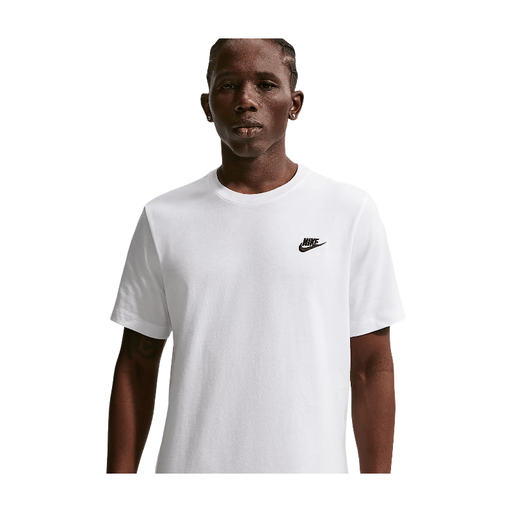
Why it suits this profile: A simple cotton T-shirt for everyday wear, travelling, casual outfits and light exercise.
The 100% cotton composition is clearly stated, so you know this isn’t a technical, quick-drying walking top.
Classic fit, lightweight cotton fabric and an embroidered logo on the chest.
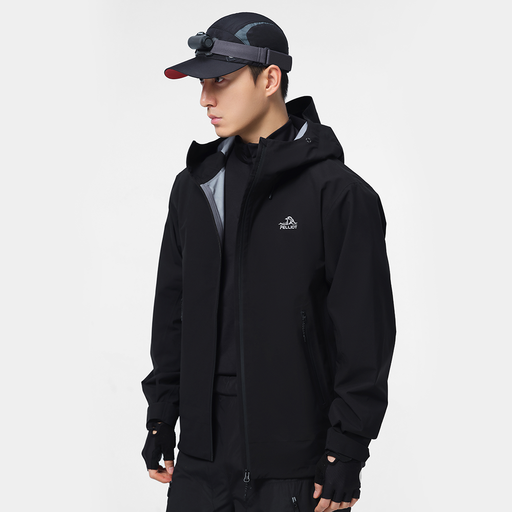
Why it suits this profile: Designed for anyone looking for a waterproof outer layer for water sports, rainy days out and everyday wear.
The product name and description specifically highlight waterproof use. Before buying, check the details about the seams, zips and sizing.
Unisex design in black, with a model description that includes dry bag storage.
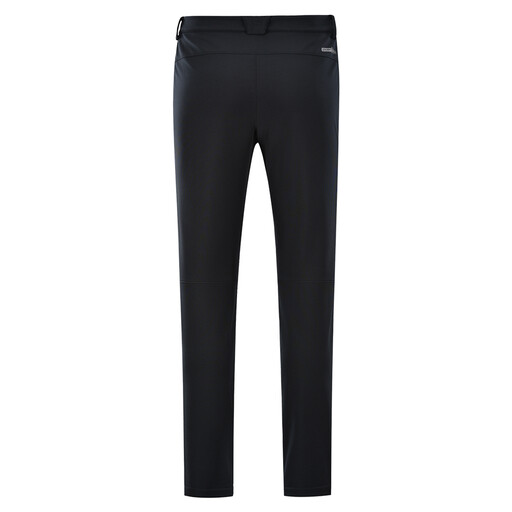
Why it suits this profile: Walking trousers for men who value freedom of movement and a practical look on walks and outdoor activities.
The softshell label makes it clear that you shouldn’t assume the trousers are fully waterproof without checking. See the product details for more information.
Black outdoor trousers in a softshell style, designed for hiking and outdoor use.
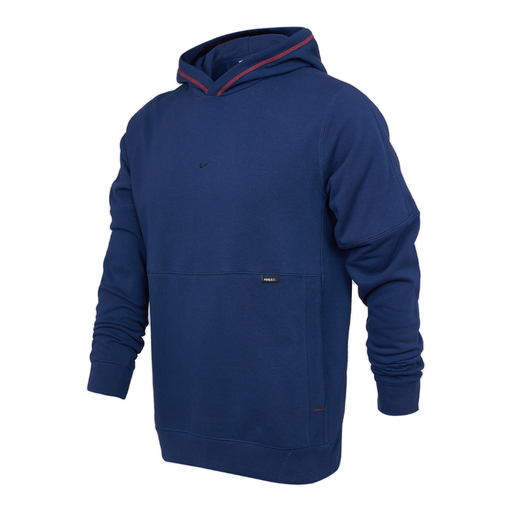
Why it suits this profile: A warm mid-layer for everyday wear, travelling and light training on cooler days.
The relaxed fit makes it suitable for layering. If you’ll be outdoors for a long time, be sure to wear the hoodie with a waterproof layer.
Fleece fabric, adjustable hood, ribbed cuffs and hem, and a dark blue colour.
We’ve put together a complete, up-to-date list of products that meet these strict selection criteria and the applicable European safety regulations.
For short walks, a T-shirt, comfortable outdoor trousers and a windproof or waterproof layer are often enough. Add a fleece jacket or fleece hoodie in cold weather. For longer walks, a well-fitting hood, pockets and plenty of room to move are important.
Its lifespan depends on the material, how often you wear it, how you wash it and how you store it. A jacket that’s regularly exposed to rain, mud and rubbing from rucksack straps will wear out more quickly. Follow the care label, dry your clothes properly and check the zips, seams and cuffs regularly.
Not necessarily. For everyday wear, a cotton T-shirt, joggers and a simple fleece may be enough. For strenuous hikes, changeable weather or longer walks, verifiable features such as waterproofing, wind protection and ventilation, as well as the right fit, matter more than the price or brand name.
