
Vandaag of morgen in huis

Kwaliteit gegarandeerd

Welkomstaanbiedingen ontgrendelen: GRATIS bezorging | Tot 80% korting | Gratis 30 dagen JoyPlus-proefperiode
Download de app
Outdoor clothing should suit the weather, the activity and the way you move. A rain jacket for everyday cycling has different requirements from clothing for walking and trekking. A winter coat, walking trousers or fleece trousers might feel comfortable in town, but be less suitable on a strenuous hike.
That’s why the Joybuy Product Recommendation Officer focuses on verifiable features: materials, fit, fastenings, care instructions and sizing information. This helps you avoid paying for a brand name or a bold marketing promise alone.
A jacket with a water-repellent layer isn’t automatically suitable for prolonged rain. Check whether the product description mentions a waterproof membrane, taped seams, a DWR treatment or simply a coating. A jacket may keep rain out, but still offer less protection around the seams, zips or cuffs.
Also look at breathability. When you’re walking or cycling, moisture can build up inside if the jacket has limited ventilation.
An outdoor jacket that fits perfectly over a T-shirt may feel too tight over a fleece or warm jumper. So check the chest, sleeve length and shoulder width. A slightly looser fit is often practical for trekking, while a closer cut may suit everyday wear.
For walking trousers or outdoor trousers, useful features include freedom of movement, a gusseted crotch and articulated knees. A smart cut without enough room around the hips and knees can become uncomfortable on a climb or long walk.
Recycled polyester or cotton can be a worthwhile material choice, but that alone doesn’t tell you how hard-wearing a garment is. Check the weave, reinforcement in vulnerable areas and care instructions too. Durable clothing also needs appropriate care: washing it incorrectly, exposing it to heat or using fabric softener can affect the fit or coating.
When choosing a waterproof jacket, check:
The product description for the The North Face Estate Blue jacket lists seam-sealed DryVent fabric, a Non-PFC DWR finish and 100% recycled polyester. It also lists a hood, chest pocket and hand pockets. Treat these as product specifications: the actual protection also depends on how you use, wear and care for the jacket.
When choosing walking trousers, outdoor trousers or men’s jogging bottoms, look for:
The Adidas Trefoil Essentials Pants have a slim fit and are made from fleece containing 70% cotton and 30% recycled polyester. They also feature an elasticated waistband with a drawcord and ribbed cuffs. This makes them a good option for relaxed days, travel and light sportswear. The available product information doesn’t specify any reinforcement for rough terrain.
A winter coat, ski beanie or warm pair of tights should suit the conditions. A fleece lining can add warmth, but it isn’t a substitute for a windproof outer layer. For accessories, check the size range and material. According to the product information, The North Face Classic Tuke Ski Beanie is made from 100% recycled polyester and comes in different sizes based on head circumference.
If you’re looking for warmth under a skirt or dress, fleece-lined tights can be practical. Check the size guide and stretch, as a pair that’s too tight may wear out more quickly with everyday use. Women’s chino trousers are mainly designed for casual wear and generally offer less protection from rain or cold than technical outdoor clothing.

Why it suits this profile: Comfortable fleece trousers for travel, relaxing at home, everyday movement and light sportswear.
The product information clearly lists the fabric composition, waist adjustment and washing instructions. This makes it easier to judge what the trousers are and aren’t designed for.
70% cotton and 30% recycled polyester; elasticated waistband with drawcord; side pockets and ribbed cuffs.

Why it suits this profile: For anyone looking for a technical rain jacket for running, training, commuting and changeable weather.
The description lists specific features such as seam-sealed DryVent, a DWR finish, pockets and cuffs, rather than relying on a vague promise of weather protection.
Made from 100% recycled polyester according to the product information; hood; chest and hand pockets; sizes XS to 3XL.
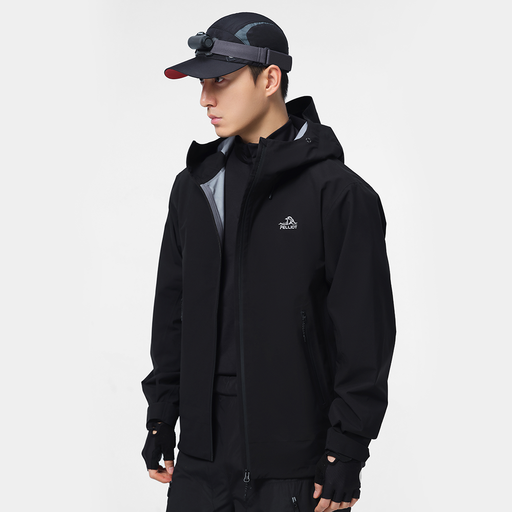
Why it suits this profile: Designed for people looking for clothing for walking and trekking, water sports or an active commute.
The product information lists a hardshell construction, wind resistance, breathable fabric and a size guide with chest, shoulder and sleeve measurements.
Described as a waterproof and wind-resistant hardshell; sizes XS to XXL; the guidance suggests sizing up if you plan to wear layers underneath.
We’ve put together a complete, up-to-date list of products that meet these strict selection criteria and the applicable European safety regulations.
Start with a breathable base layer, a warm mid-layer and a rainproof or windproof outer layer. For your legs, walking trousers or outdoor trousers with enough room to move are a good choice. In changeable Dutch weather, take a packable rain jacket and choose accessories such as a ski beanie when wind and cold are a factor.
Always follow the care label. For technical jackets, a mild detergent is generally best. Avoid bleach and don’t use fabric softener if the manufacturer advises against it. Fasten zips before washing and dry the clothing according to the instructions. A DWR finish may need to be reapplied; the product description for the specific item will tell you which method is suitable.
No. Recycled polyester or cotton describes one part of the material choice, but a product’s overall environmental impact also depends on its lifespan, care, manufacture and use. Before buying, compare the material percentages, care instructions, repair options and the conditions you expect to use it in.
