
Vandaag of morgen in huis

Kwaliteit gegarandeerd

Welkomstaanbiedingen ontgrendelen: GRATIS bezorging | Tot 80% korting | Gratis 30 dagen JoyPlus-proefperiode
Download de app
An afternoon in the garden, a festival weekend or a camping holiday calls for different equipment than just a tent and sleeping bag. Outdoor camping gear needs to suit how you’ll use it, the weather and the space you have available. A wrong purchase often only becomes apparent on location: a chair is uncomfortable, a tent turns out smaller than expected, or a parasol isn’t stable enough.
So don’t just look at words like “quick”, “waterproof” or “strong”. Instead, check the specifications, dimensions and usage limitations carefully.
Terms like “waterproof outdoor jacket” or “UV protection” don’t tell you much without technical information. For clothing, look for a clear material description, fit and care instructions. With tents, the hydrostatic head rating, seams and construction are particularly relevant.
According to the product description of the Mobi Garden tents, the waterproof rating is PU2000 mm. That’s a verifiable product specification, but it’s no guarantee that a tent will stay dry in all weather conditions. Set-up, wear and tear, wind direction and prolonged rain also play a part.
A camping tent for 2 to 5 people sounds spacious, but sleeping mats, luggage and room to move around all take up space. Always check both the dimensions when the product is set up and the packed size. This is especially important if you’re travelling by bike, train or in a small car.
The same goes for a garden parasol: a canopy measuring 3 x 4 metres needs enough clear space. Measure your patio and check where the base and any ballast will go.
Some products are supplied without the parts needed for safe use. For example, a parasol might come with just a cross base, while weights have to be bought separately. With a camping chair, a carry bag or adjustable armrests aren’t always included.
So check before you buy:
With tents, a higher PU rating is a useful indication of the water pressure the material can withstand according to the product specification. However, a well-tensioned canopy, sealed seams and correct positioning remain essential. Choose level ground without sharp stones and use guy ropes in windy conditions.
Ventilation prevents warm, moist air from building up. According to the product description, the Mobi Garden models use mesh panels and openings on multiple sides. This can help air circulation and keep insects out. Don’t close ventilation openings completely when condensation becomes an issue.
For a folding camping chair, the frame, seat and folded size are key. A high backrest can be comfortable for longer periods of sitting, while a low model is easier for the beach, a picnic or a festival. Also check the maximum load if the manufacturer states it.
A fibreglass frame in a pop-up camping tent can make set-up easier. The product description of the Mobi Garden tents mentions an automatic frame and a set-up construction that, according to the manufacturer, opens in around three seconds. Properly securing it with pegs and guy ropes is still essential.
According to the product description of the Mobi Garden tents, the fabric has UPF50+ and, according to the manufacturer, blocks at least 99.9% of UV radiation. Treat this as a product specification from the brand, not a replacement for shade, clothing or other precautions.
A camping parasol or garden parasol measuring 3 x 4 metres provides extra shade, but a large canopy also catches more wind. Always use suitable ballast with a freestanding parasol. With the model described, ballast plates or water-filled weights are not included.
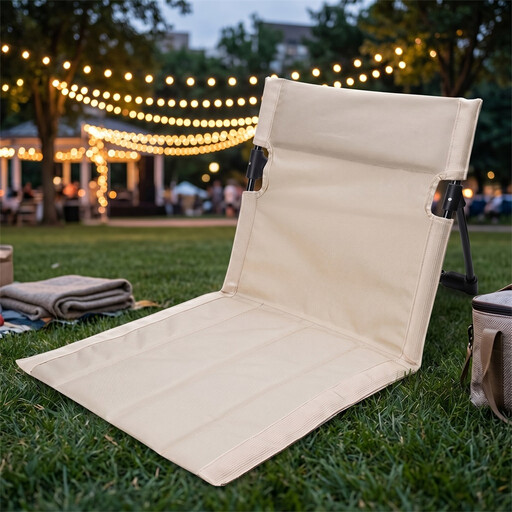
Why this fits the profile: A simple folding model for picnics, festivals, garden visits or a first camping set-up.
The product name and description make it clear that this is one folding chair. Do check the dimensions and weight capacity on the product page before buying.
Folding design and suitable for outdoor use according to the product description. Handy as a beach and garden chair.
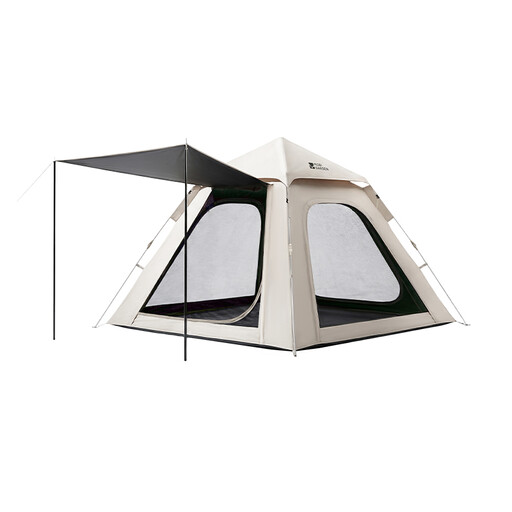
Why this fits the profile: A practical choice for families or campers who want quick set-up and value ventilation and a compact packed size.
The set-up size of 240 × 240 × 155 cm, the packed size of 77 × 15 × 15 cm and PU2000 mm are all stated. This lets you assess space and transport requirements in advance.
Space for 2–5 people according to the product information, automatic fibreglass frame and mesh openings for ventilation.
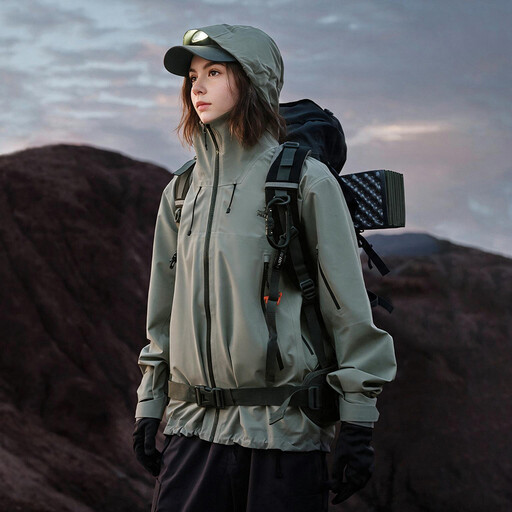
Why this fits the profile: For walkers and outdoor enthusiasts who need an outer layer for changeable weather and active movement.
The size chart lists chest, sleeve and shoulder measurements. Check those details and allow for layering; size XL won’t suit every body shape.
According to the product description, the jacket has a mesh lining, underarm zips and a durable treated outer fabric. Follow the included washing instructions.
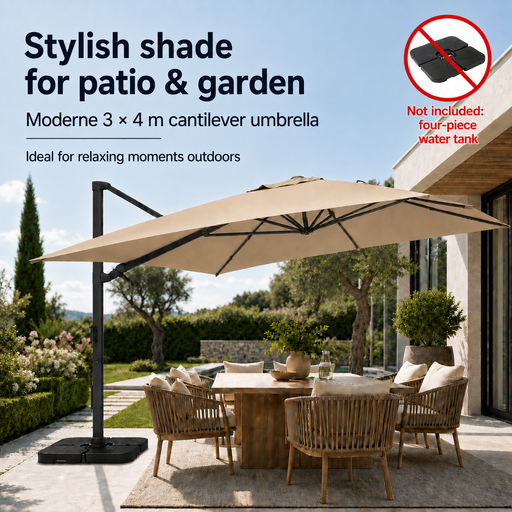
Why this fits the profile: Suitable for a patio or lounge area where you want to adjust the shade throughout the day without moving the whole parasol.
The product information clearly states that the cross base is supplied without ballast plates or water weights. These must be provided separately for stable positioning.
Canopy size of 3 × 4 metres, 360° rotating base and tilt to left and right according to the product specifications.
We’ve put together a full, up-to-date list of products that fully meet these strict selection criteria and comply with current European safety regulations.
Good camping accessories will stay usable for longer if you clean them after each use and store them dry. Let a tent air out completely before packing it away. Wash tent fabric according to the manufacturer’s instructions and don’t use harsh products if that’s not allowed.
Check hinges, seams and the frame on chairs. Store garden furniture for outdoors and parasols away in strong winds or secure them firmly. A jacket will retain its properties better when zips are closed and the recommended washing programme is followed.
Start with a tent, sleeping mat, sleeping bag, lighting, cooking equipment and somewhere to sit. Depending on the weather, add a waterproof outdoor jacket, tarp, parasol or groundsheet. Check in advance what items are already available at the campsite.
Choose level ground without sharp objects and, if possible, point the opening away from the strongest wind. Secure all corners with pegs, attach the guy ropes and check that the fabric is properly tensioned. Do not use open flames or cooking appliances inside the tent.
That depends on the material, how often it’s used, weather exposure and maintenance. A tent that’s stored away wet, or a chair that’s regularly used beyond its maximum load, will wear out faster. Check products before each use for tears, loose seams, bent parts and damaged fixings.
