
Vandaag of morgen in huis

Kwaliteit gegarandeerd

Welkomstaanbiedingen ontgrendelen: GRATIS bezorging | Tot 80% korting | Gratis 30 dagen JoyPlus-proefperiode
Download de app
A good bag makes camping more organised. The wrong bag can leave you with loose belongings, damp clothing or an awkward load to carry. When it comes to outdoor bags and camping storage, it is not just the capacity or appearance that matters. The dimensions, fastening, carrying options and material all determine whether a product suits your needs.
Pay particular attention to these common pitfalls:
Choose the capacity based on what you will actually be taking with you. For clothing, bedding and seasonal camping equipment, camping storage bags measuring around 70 × 34 × 37 cm are practical. Do not just check the number of litres; also look at the external dimensions. A bag needs to fit in your car, cupboard, tent porch or storage box.
A large zip-up storage bag is suitable for bulky items such as a camping sleeping bag, blankets or clothing. For a hike, a compact hiking backpack makes more sense. For example, a 45L backpack offers room for multi-day equipment, but it requires careful weight distribution.
Pay attention to the type of fabric, the base and any reinforcement. A polyester bag with a water-repellent or water-resistant base is particularly useful on wet grass or damp campsite surfaces. However, this does not automatically make the contents completely waterproof.
For delicate cooking equipment, a lining and divider panels can be useful. In a camping organiser, these features help keep pans, burners and gas canisters separate. Always check the safety instructions: hot pans should be allowed to cool completely first, and gas canisters should not be stored sealed for prolonged periods.
A bag with handles is useful for short distances. For longer walks, adjustable shoulder straps, a chest strap and a hip belt are important. An ultralight hiking backpack keeps the empty weight down, but it is not automatically suitable for heavy loads.
For large quantities of camping equipment, wheeled camping luggage can be more convenient than carrying everything. Wheels work particularly well on flat surfaces. On stairs, sand and steep paths, you will usually need to carry the bag. Look for both carrying options.

Why it suits this profile: This set is suitable for clothing, bedding, moving house and camping storage. With six bags, you can organise belongings by type or family member.
The fixed dimensions of 73 × 34 × 37 cm make it easy to check cupboard and luggage space in advance. The zip and handles are clearly described.
Six bags, generous dimensions, a zip and handles. Suitable for clothing, bedding and camping equipment.
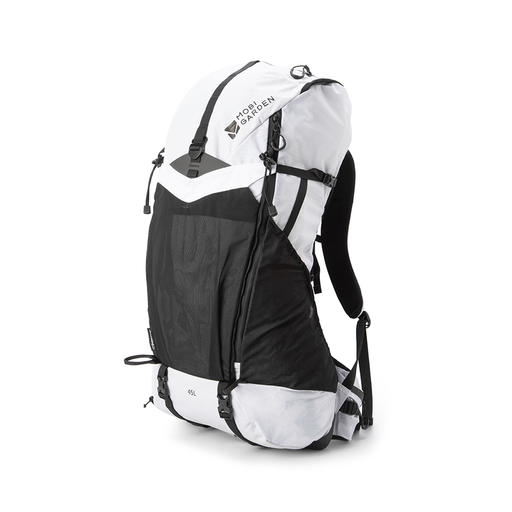
Why it suits this profile: This backpack is designed for backpacking, hiking and trekking. Its 45L capacity is intended for around two to three days of lightweight backpacking, depending on your equipment.
The separate hydration-bladder compartment, front pockets and attachment points reduce the need to search for loose items. According to the product information, the backpack weighs approximately 1.35 kg.
Dyneema composite fabric, a 3D-ventilated back panel, adjustable chest strap and hip belt, plus space for trekking poles and a sleeping mat.
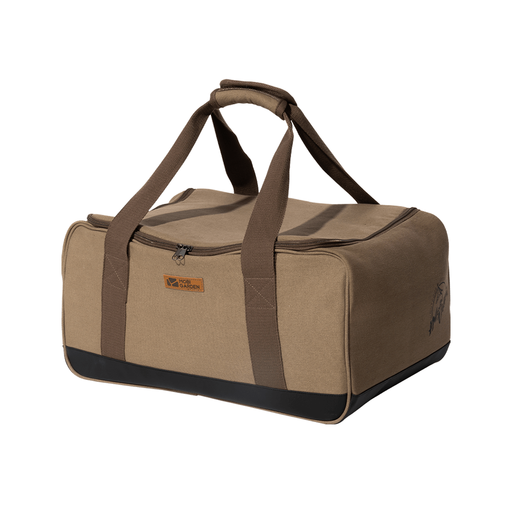
Why it suits this profile: This camping organiser is designed for cookware such as pans, burner heads and gas canisters. It is ideal for campers who want to transport their kitchen equipment separately.
The removable divider lets you customise the layout. According to the product description, the EVA lining helps protect against knocks, while the PVC base keeps the contents away from dew on the ground.
Dimensions of 47 × 28,5 × 23 cm, removable divider, EVA lining and a reinforced water-resistant PVC base.
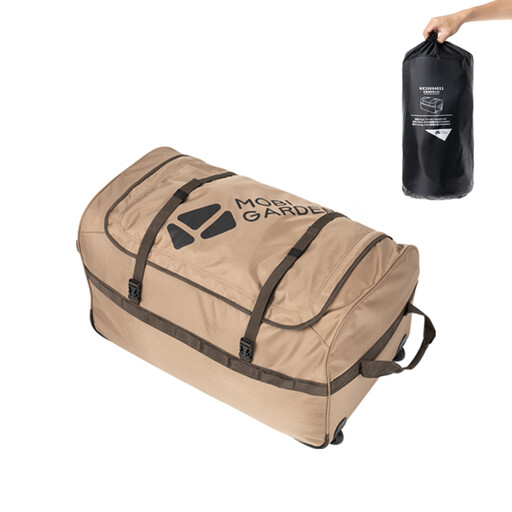
Why it suits this profile: The 110L capacity is intended for larger camping, fishing or travel equipment. The built-in wheels are practical when transporting it over flat surfaces.
The product information states that the bag must be carried by hand on stairs and steep slopes. This makes it clear in advance where the wheels are and are not practical.
110L capacity, folds down to 42 × 21 cm and comes with wheels. Sand and mud should be removed from around the wheel openings after use.
Pack heavy items low down and close to the back or base of the bag. Place sharp objects in a cover and do not overfill the zips. Allow wet clothing and tent fabric to dry before storing them. Even a foldable picnic bag or tote that can handle light rain should be stored dry to help prevent odours and mould.
For a camping sleeping bag, use a suitable storage sack wherever possible and avoid compressing it tightly for long periods if the manufacturer does not recommend this. Clean bags according to the product information. Many models can be wiped with a damp cloth, but are not suitable for complete immersion.
We have put together a complete, up-to-date list of products that fully meet these strict selection criteria and the applicable European safety regulations.
Choose a spacious bag with a zip, handles and fixed dimensions. Sets containing multiple bags help you keep clothing, duvets and camping equipment separate. Check in advance that the dimensions fit in your cupboard, car or storage space.
No. A suitcase-style camping bag with wheels works best on paved paths and flat ground. Carrying it is often more practical on sand, grass, stairs and slopes. Make sure the bag also has sturdy handles.
Allow all items to dry completely before packing them away. Do not use a bag as a substitute for a waterproof dry bag when protection from prolonged rain is required. Store the bag somewhere dry and well ventilated, away from direct sunlight.
