
Vandaag of morgen in huis

Kwaliteit gegarandeerd

Welkomstaanbiedingen ontgrendelen: GRATIS bezorging | Tot 80% korting | Gratis 30 dagen JoyPlus-proefperiode
Download de app
An outdoor backpack should suit your activity, build and belongings. Yet many people buy based on one eye-catching feature, such as low weight, large capacity or a water-resistant outer. This can be disappointing once the bag is heavily loaded or fails to sit comfortably during a long walk.
These buying tips help you compare an outdoor backpack based on measurable features. That way, you avoid paying for functions you will not use and can choose more confidently between a lightweight backpack, hiking backpack, walking backpack, trekking backpack or cycling backpack.
A 45-litre backpack offers space for several days, but a large main compartment does not automatically make the bag comfortable. Without adjustable shoulder straps, a chest strap and a hip belt, most of the weight ends up on your shoulders. For a day trip, a 20-litre backpack or 30-litre backpack is often more practical.
Pay attention to the dimensions too. A 45-litre bag may feel awkward for shorter users if it has a long back panel. So check the sizing and adjustment options before ordering.
The term water-resistant backpack does not always mean that prolonged rain will not be a problem. Water-repellent fabric, a coated zip or a sealed inner lining may protect against splashes, but that is different from a completely waterproof construction.
For British weather, a rain cover or waterproof bags for electronics and clothing are useful additions. Always check exactly what the manufacturer says about seams, zips and the inner lining.
A lightweight backpack is comfortable for walking and cycling, but using less material can also mean less structure or protection. For trail running, the bag must sit close to your body to minimise bouncing. For trekking, a stable frame, a well-ventilated back panel and a hip belt are more important.
A marketing term such as “ultralight” does not say much on its own. Compare the stated weight with the capacity, carrying system and features you need.
Choose the capacity based on how you will use the bag:
Do not look only at the number of litres. A separate hydration compartment, side pockets, a quick-access front pocket and attachment points for walking poles may be more useful in practice than additional capacity.
An outdoor backpack should have adjustable shoulder straps. A chest strap helps keep the bag stable, while a hip belt is particularly useful with heavier loads. A back panel with mesh or a 3D ventilation structure can improve airflow, but it does not automatically make the backpack suitable for every body shape.
For a cycling backpack or trail running backpack, a close-fitting harness is important. For adjustable models, measure your back length and waist size if possible. A bag that fits well when empty may feel different once you add water, clothing and accessories.
Polyester and nylon are commonly used in outdoor bags. Dyneema composite is used in some models because it combines low weight with high tear strength. According to Mobi Garden’s product information, the material is resistant to tearing and abrasion, but the manufacturer also warns that sharp objects can damage the fabric.
Also pay attention to care:
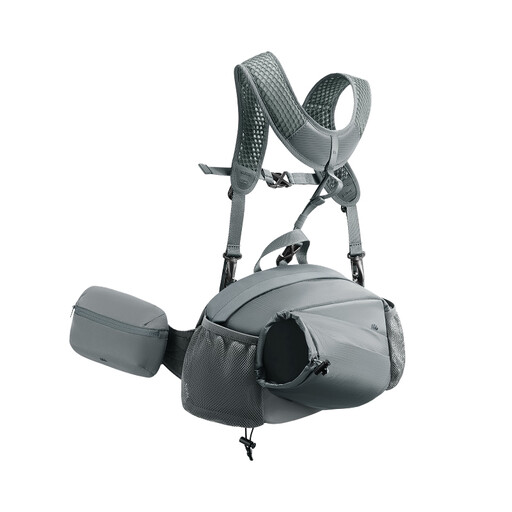
Why it suits this profile: This foldable outdoor backpack is suitable for everyday use, short trips and travellers who want to carry extra luggage compactly.
The capacity can be adjusted thanks to the expandable design. According to the product information, the bag can be folded with one movement; overloading should be avoided.
2:8 compartment layout, adjustable shoulder strap and detachable phone pouch.
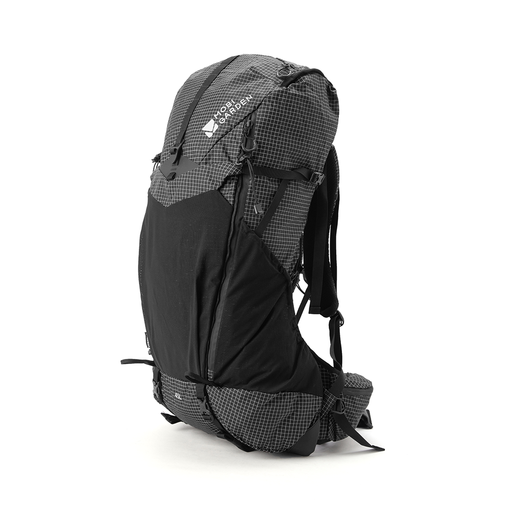
Why it suits this profile: This hiking and trekking backpack is designed for multi-day trips, with a stated capacity of 45 litres and a weight of approximately 1.35 kg.
The model combines a 3D-ventilated back panel with a chest strap and hip belt. According to Mobi Garden, the capacity is intended for approximately two to three days of lightweight backpacking.
Separate waterproof hydration compartment, attachment points for walking poles and stretch side pockets for a bottle.
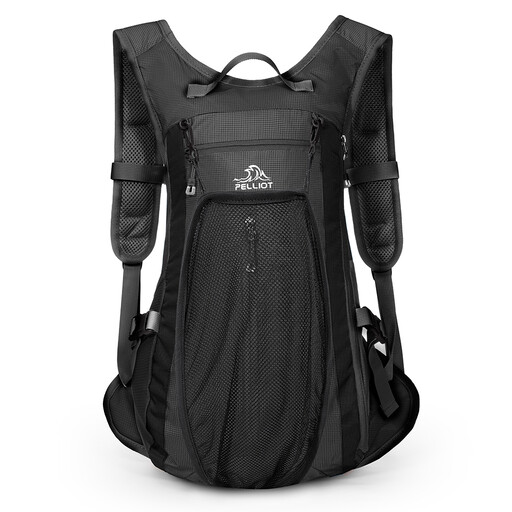
Why it suits this profile: This trail running backpack is designed for running, cycling and intensive outdoor activities where a stable fit and quick access are important.
The size is linked to back length and waist measurement. According to the product information, S/M and L/XL size ranges are available, so you do not have to choose based on capacity alone.
S.L.F. layout, breathable mesh lining and compartments for water, tools, snacks and your phone.
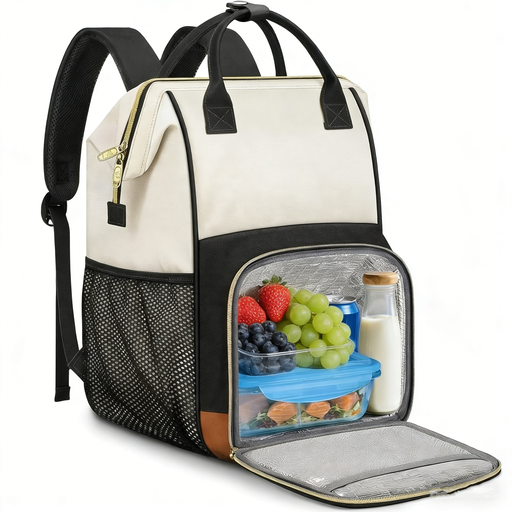
Why it suits this profile: This combination of laptop backpack and cooler backpack is practical for students, professionals and commuters carrying lunch and a computer.
The lunch module is detachable, so you do not always have to carry a separate cooler compartment. The water-resistant fabric is not the same as a completely waterproof outer.
Suitable for laptops up to 15,6 inches, with an insulated lunch bag, luggage strap and several organisational compartments.
We have put together a complete, up-to-date list of products that fully meet these strict selection criteria and the applicable European safety regulations.
If you mainly use the bag for a city walk, school or the office, an organised layout and laptop protection are often more important than a hip belt. For a walking backpack used on day trips, a ventilated back panel is worth considering. If you are camping or backpacking, it is better to look at capacity, weight distribution, attachment points and access to drinking water.
Check these points before paying:
For a short walk, 15 to 20 litres is usually enough. If you take extra clothing, lunch, water and a camera, a 30-litre backpack offers more flexibility. For several days, a 45-litre trekking backpack makes more sense, provided you do not regularly overload it.
Place heavy items close to the back panel and distribute the weight evenly. Adjust the shoulder straps first, then fasten the chest strap and use the hip belt if the model has one. Test the fit with the items you normally carry, not just with an empty bag.
Its lifespan depends on the material, load, weather conditions and maintenance. Avoid carrying sharp objects without protection, overloading the bag and storing it for long periods while damp. Check the seams, zips and buckles before setting off on a long trip.
