
Vandaag of morgen in huis

Kwaliteit gegarandeerd

Welkomstaanbiedingen ontgrendelen: GRATIS bezorging | Tot 80% korting | Gratis 30 dagen JoyPlus-proefperiode
Download de app
An outdoor backpack needs to do more than look sturdy. In the Netherlands, a bag has to cope with rain, cycling, muddy paths and the daily routine of packing and unpacking. Yet many people choose a backpack based on an attractive photo or a claim such as “ultralight”, without checking its capacity, fit or construction.
Use this guide to compare a lightweight backpack, walking backpack or trekking backpack by the features that make a difference in practice.
A roomy 40- or 50-litre backpack might seem useful, but extra space can tempt you to pack too much. Without adjustable shoulder straps, a chest strap or a hip belt, most of the weight rests on your shoulders. You’ll notice this on longer walks and trips.
So don’t look at the capacity alone. Check whether the backpack has a chest strap, hip belt, padded shoulder straps and a ventilated back panel.
A water-resistant backpack can help keep out light rain and splashes, but that doesn’t automatically mean all the seams and zips are waterproof. Product descriptions use a range of terms, so look for specific details about the material, coating and fastenings.
For example, the Beneunder LC183 product description says the fabric helps resist wind, rain and stains. This describes the product’s features; it isn’t a guarantee that the contents will stay dry in all conditions. For long bike rides or heavy rain, consider using a separate rain cover.
An inexpensive backpack may be suitable for everyday use, but before buying, check that its dimensions, weight, capacity and number of compartments are clearly listed. Missing information makes it difficult to compare models.
Also check the care instructions. Some models should only be cleaned with a damp cloth. Machine washing can damage the coating, shape or seams.
Use these guidelines as a starting point:
An expandable or foldable backpack offers flexibility. Just check how stable the bag remains when fully unfolded and loaded.
A lightweight backpack reduces the total weight you carry, but an ultralight design may have less reinforcement or padding. Consider the balance between its empty weight, capacity and carrying system.
For longer walks, an adjustable chest strap and hip belt are useful. A ventilated back panel can improve airflow, but it won’t stop you sweating in warm weather. Adjust the shoulder straps once you’ve packed the backpack. Keep heavy items close to your back and, ideally, in the middle of the bag.
Nylon, polyester and coated Oxford fabric are common materials for outdoor backpacks. As well as checking the material, look for:
For the Beneunder LC359, the manufacturer describes a combination of outdoor fabric and polymer panels as part of its StrongShield system. The product description says this is designed to help protect against impacts and withstand heavier loads. Check the maximum load yourself and avoid overpacking.

Why it suits this profile: A practical choice for commuting, short trips and everyday use. It has a 10-litre capacity, which can be expanded to 13 litres according to the product description.
The stated capacity, dimensions and weight of 8,3 oz make it easier to assess than a model with only a general claim about its capacity.
Expandable design, double shoulder straps and compartments for a laptop, documents and personal belongings.
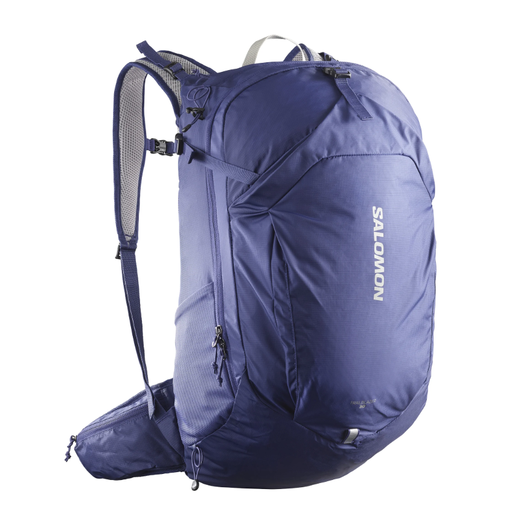
Why it suits this profile: For day walks, urban adventures and trips where 30 litres is enough. The stated construction uses nylon and polyester, with mesh on the back and shoulder straps.
The capacity and number of compartments are clearly stated. This helps you judge in advance whether the bag is big enough, without jumping straight to a much larger model.
30-litre capacity, multiple compartments and an ergonomic shape. The product listing also states that it comes with a statutory EU guarantee of at least two years.
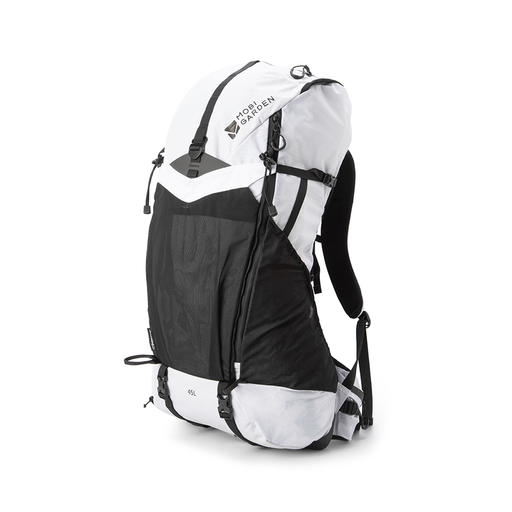
Why it suits this profile: Designed for backpacking, hiking and trekking, with a stated capacity of 45 litres. According to the product information, the bag weighs around 1,35 kg.
According to the product description, the carrying system includes a ventilated 3D back panel, chest strap and hip belt. This tells you more about weight distribution than the term “trekking backpack” alone.
Dyneema composite material, a separate hydration reservoir compartment, attachment points for walking poles and stretch side pockets.
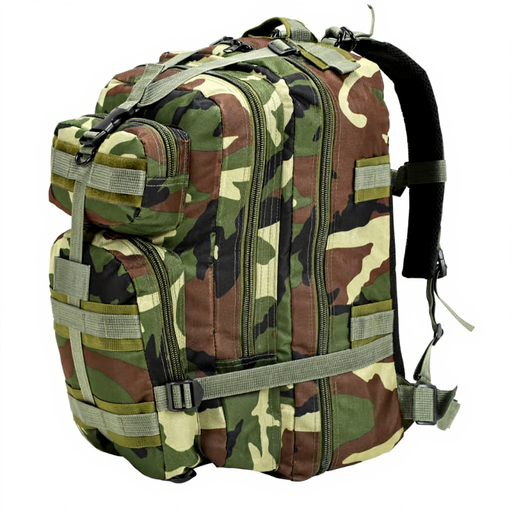
Why it suits this profile: For camping, longer trips and situations where you need to take extra clothing or equipment. It has a stated capacity of 50 litres and weighs 1,15 kg.
The product information lists the dimensions, capacity, four compartments and adjustable chest and hip straps. This makes it easier to assess the layout in advance.
Coated Oxford fabric, a large main compartment, two front zip pockets and adjustable straps. The product listing states that it comes with a statutory EU guarantee of at least two years.
We’ve put together a complete, up-to-date list of products that meet these strict selection criteria and the applicable European safety regulations.
For a day walk, 20 to 30 litres is often practical. For trekking or camping, 40 to 50 litres is more common. The capacity you need depends on your sleeping gear, clothing and cooking equipment. A bigger bag isn’t automatically more useful if it means you end up carrying more weight.
Its lifespan depends on the material, load, use and care. Overpacking, prolonged exposure to sunlight and rubbing against rocks or rough surfaces all speed up wear and tear. Clean the bag according to the instructions, let it dry thoroughly and avoid storing it compressed for long periods.
A water-resistant backpack may be enough for short showers, depending on the fabric and fastenings. For prolonged rain, a rain cover or waterproof inner bag is a better choice. Always check whether the manufacturer only claims splash resistance or also provides information about the seams and zips.
