
Vandaag of morgen in huis

Kwaliteit gegarandeerd

Welkomstaanbiedingen ontgrendelen: GRATIS bezorging | Tot 80% korting | Gratis 30 dagen JoyPlus-proefperiode
Download de app
An outdoor backpack needs to do more than just look spacious in a product photo. When you're out walking in the Lake District, cycling through the countryside or catching a train, you'll quickly notice whether the fit, organisation and rain protection really suit your needs.
Many shoppers run into the same issues:
Choose the capacity based on the activity:
A 30-litre backpack usually offers a practical middle ground for day trips. For two to three days of lightweight backpacking, a 45-litre backpack could be suitable, depending on your sleeping bag, clothing and cooking equipment. A 50-litre backpack gives extra packing space, but also becomes heavier more quickly. So check not only the capacity, but also the dimensions, the empty weight and the carrying system.
An expandable backpack is handy when your contents vary from day to day. Make sure the extra space is actually accessible and that the bag remains stable when compressed. With a foldable backpack, it's important to check how small it folds and whether the shoulder straps offer enough support.
For longer walks, adjustable shoulder straps, a chest strap and, on larger models, a hip belt are important things to check. A ventilated back panel can improve the feel of the carry, but won't completely stop your back from getting warm.
Also look at how the weight is distributed:
For a hiking backpack or trekking backpack, attachment points for walking poles, a sleeping mat or extra clothing are practical. With a trail running backpack, a compact shape, quick access and a stable fit matter more than maximum capacity.
Nylon, polyester, polyamide and Oxford weave are common in outdoor backpacks. The properties vary from product to product. A coating can help protect the material against splashes and wear, while a separate waterproof cover or lining may be needed for prolonged rain.
According to the product description, the Beneunder LC183 is made from high-quality nylon with a fabric that resists wind, rain and stains. That doesn't automatically mean the entire backpack can be submerged. The Mobi Garden Phantom Pro, according to the product specifications, has a separate waterproof compartment for a hydration system; the manufacturer also states that you should not submerge the bag.
So always check:
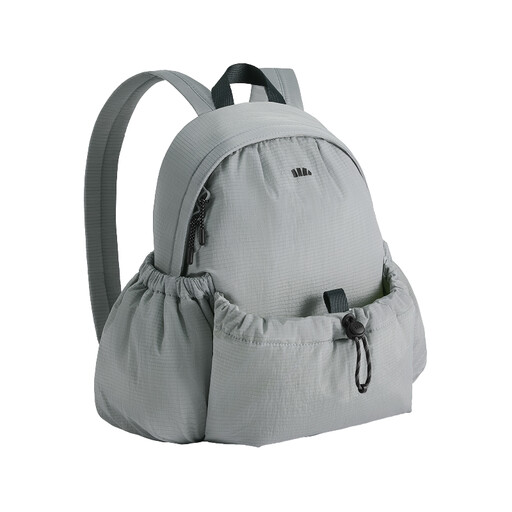
Why it fits this profile: The 10-litre capacity can be expanded to 13 litres according to the product specifications. This makes it suitable for commuting, short walks and travel with varying luggage.
The capacity is clearly stated in both normal and expanded mode. According to the product description, the bag is also designed to resist surface moisture and stains; check for additional protection in heavy rain.
8.3 oz stated weight, expandable capacity from 10 to 13 litres and adjustable shoulder straps.
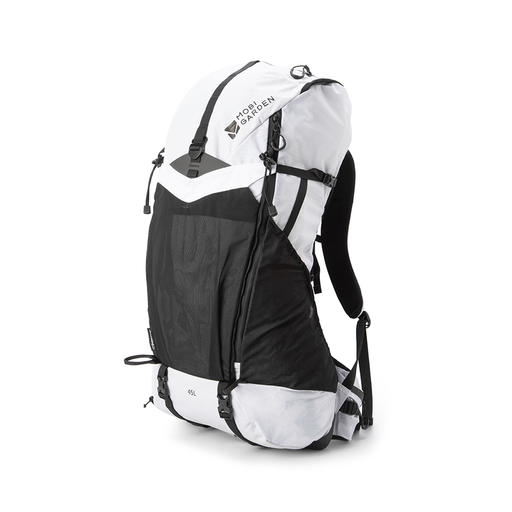
Why it fits this profile: This model is aimed at backpackers and trekkers who are out for several days and value a structured carrying system.
The product information mentions a 3D ventilated back panel, hip belt, chest strap and separate compartments. So the bag wasn't chosen on material weight alone. Dyneema is still sensitive to cutting or sharp loads.
45-litre capacity, approximately 1.35 kg, external attachment points and a separate waterproof hydration compartment according to the product details.
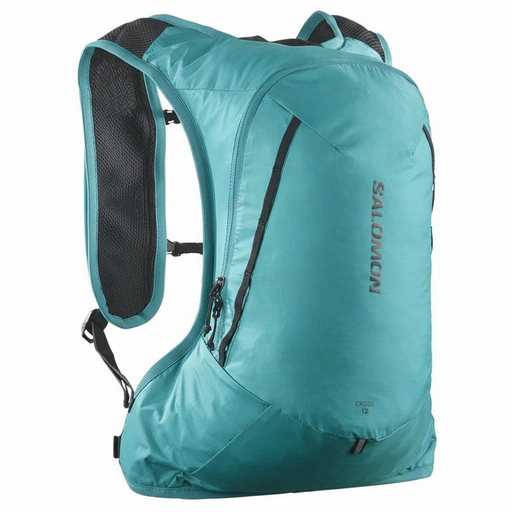
Why it fits this profile: The compact 12-litre layout suits trail running, fast day trips and walks where you only take water, a jacket and small essentials.
The backpack has a panelled back system, double chest straps and pockets on the shoulder straps. The product description mentions compatibility with a 1.5-litre hydration system; drink bottles are not included.
12-litre capacity, polyamide outer material, reflective buckle and shoulder strap pockets for quick access.
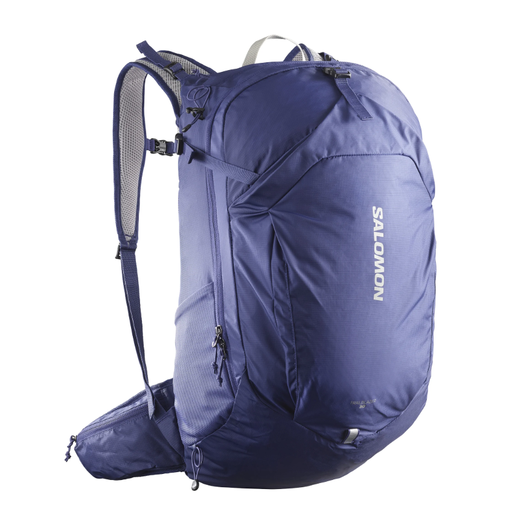
Why it fits this profile: The 30-litre capacity offers room for clothing, lunch, documents and accessories during a day trip or daily city use.
The bag uses multiple compartments and an improved shoulder strap and back panel design according to the product description. This means you don't have to stack everything in one large compartment.
30-litre capacity, nylon and polyester, multiple storage compartments and an ergonomic design according to the product specifications.
We've put together a full, up-to-date list of products that fully meet these strict selection criteria and comply with current European safety regulations.
For most day trips, 20 to 30 litres is sufficient. Choose 10 to 15 litres if you're travelling light and only taking drinks, a jacket and small items. A 30-litre backpack gives more room for extra clothing, food or equipment.
No, not automatically. "Water-repellent" usually means that light rain or splashes are temporarily held off. Check whether the backpack has sealed seams, waterproof zips or a waterproof lining. In prolonged rain, a rain cover is advisable, unless the manufacturer explicitly states a waterproof design.
Don't overload the bag, distribute heavy items close to the back panel and follow the manufacturer's care instructions. Many models can be cleaned with a damp cloth. Avoid the washing machine when it's not recommended, and store the backpack dry and out of direct sunlight. This will help limit wear to the fabric, coating, zips and buckles.
