A good outdoor backpack is the foundation of any successful trip. The wrong choice can turn a beautiful hike into an uncomfortable ordeal, plagued by chafing straps or a lack of space. Finding a backpack that suits your activity and body is essential. This guide will help you understand the specifications and find a model that is functional and reliable, without the unnecessary marketing jargon.
How to Choose the Right Outdoor Backpack
Before making a choice, it's helpful to consider a few practical points. The right backpack depends entirely on what you plan to do with it.
1. Determine the Right Capacity (Litres)
A backpack's volume, expressed in litres, determines how much you can carry. A bag that's too large is unnecessarily heavy, while one that's too small will lead to frustration.
- Day Trips (15-30 litres): For a day of hiking or cycling, a compact hiking backpack or cycling backpack is sufficient. It can hold a water bottle, lunch, a rain jacket, and some small items.
- Weekend Trips (30-50 litres): Planning a hut-to-hut tour or a camping weekend? A 40-litre backpack offers enough space for a sleeping bag, extra clothing, and cooking gear.
- Multi-Day Treks (50+ litres): For longer journeys where you are fully self-sufficient, a 50-litre backpack or larger is necessary. These large trekking backpacks are designed to carry heavier loads comfortably.
2. Focus on Carrying Comfort and Fit
A backpack can have all the clever features in the world, but if it doesn't fit well, it's of little use. Pay attention to the carrying system. A good system distributes the weight from your shoulders to your hips.
- Adjustable Straps: Hip, shoulder, and chest straps should be fully adjustable to secure the backpack snugly against your body.
- Back Panel: A ventilated back panel with mesh or air channels helps reduce sweating.
- Men's vs. Women's Backpacks: There are specific models for men and women. A women's backpack often has a shorter back panel, narrower shoulder straps shaped to curve around the chest, and a hip belt adapted to a different hip shape.
3. Material and Specific Features
Durability and functionality are determined by the material and the extras.
- Material: Fabrics like ripstop nylon or coated polyester are abrasion-resistant and often water-repellent. For unpredictable weather, a fully waterproof backpack or a model with an integrated rain cover is a smart choice.
- Weight: A lightweight backpack is great for fast-paced trips or when every gram counts, but it may compromise on durability or carrying comfort with heavy loads.
- Extras: Consider external attachment points for trekking poles, a pocket for a hydration reservoir, or compression straps to keep the contents stable.
Popular Outdoor Backpack Choices
Based on functionality and specifications, we have highlighted several models suitable for different activities.
PELLIOT Trekking Backpack Unisex 40L
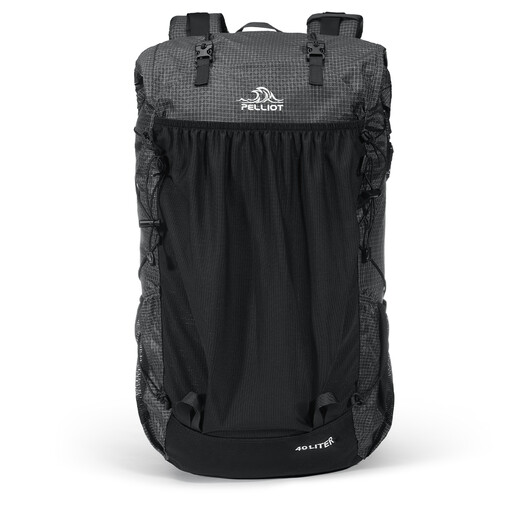
- Why It Stands Out: This trekking backpack is designed for serious journeys. According to the manufacturer, the built-in aluminium frame, combined with dynamic shoulder straps, ensures an engineered load distribution. The weight is largely transferred to the hips, which relieves strain on the shoulders and back during long distances.
- Pros:
- Carrying System: The 3D breathable cushioning system and ergonomic EVA back panel are focused on ventilation and comfort.
- Organisation: With 40 litres of capacity, a main compartment, hip belt pockets, and various attachment points, you can keep your gear organised.
- Durability: Made from abrasion-resistant fabric, designed for rougher terrain.
- Who Is It For? For hikers and campers looking for a reliable 40-litre backpack for treks lasting 2 to 3 days.
PELLIOT Trail Running / Cycling Backpack 20L
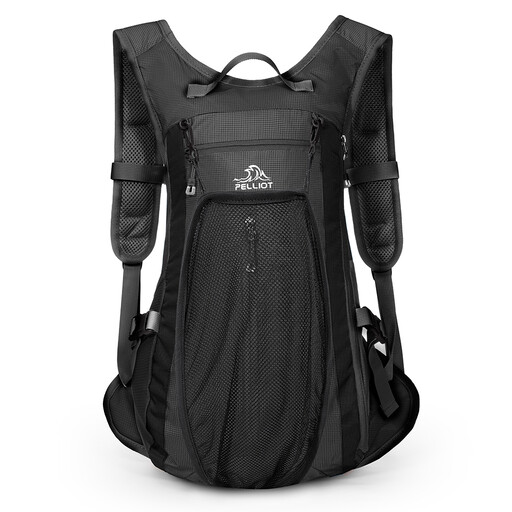
- Why It Stands Out: This compact and lightweight backpack is specifically designed for movement. The manufacturer highlights the S.L.F. Triple Design (Stable, Lightweight, Fast Access), which is meant to ensure the pack doesn't bounce during cycling or running.
- Pros:
- Fit: The ergonomic harness is designed to distribute weight evenly and keep the bag snug against the body.
- Weight: The ultra-light design reduces unnecessary weight, which is ideal for speed and climbing.
- Material: According to the specifications, the grid-polyester is resistant to tears and abrasion from branches or rocks.
- Who Is It For? For cyclists, trail runners, and day hikers who need a compact, stable cycling backpack or hiking backpack that can hold the essentials.
vidaXL Military-Style Backpack 50L
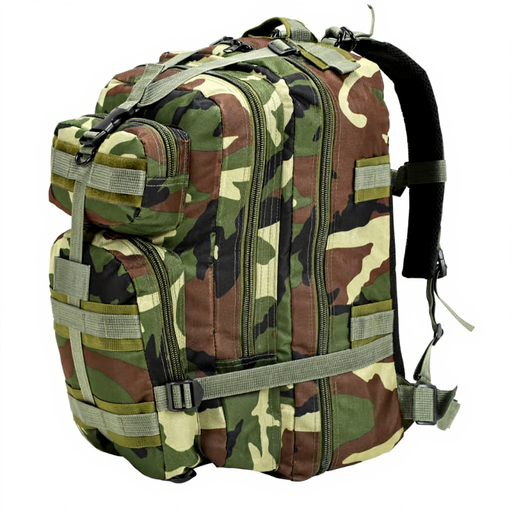
- Why It Stands Out: This military-style backpack focuses on functionality and a large capacity. With 50 litres of volume, it offers plenty of space at a competitive price. The design is practical and no-frills, aimed at carrying a lot of gear.
- Pros:
- Capacity: A large main compartment and multiple front pockets provide ample storage for longer adventures.
- Robustness: Made from coated Oxford fabric that the manufacturer claims is tear- and weather-resistant.
- Carrying Comfort: Equipped with padded, adjustable shoulder straps and a detachable hip and chest belt to stabilise the load.
- Who Is It For? For outdoor enthusiasts, hunters, or travellers who need a robust and very spacious 50-litre backpack and value a no-nonsense, functional design.
Looking for a More Compact Option?
If a large outdoor backpack isn't what you're looking for, but you need a functional bag for a city trip or air travel, check out our selection of carry-on backpacks for compact and practical alternatives.
Frequently Asked Questions about Outdoor Backpacks
What size outdoor backpack do I need?
This depends on the duration and type of activity. A rule of thumb:
- Day Trip: 15-30 litres
- Weekend (1-2 nights): 30-50 litres
- Long Trek (3+ nights): 50+ litres
What is the difference between a men's and a women's backpack?
A women's backpack is anatomically designed differently. The back length is often shorter, the shoulder straps have an S-shape to curve comfortably around the chest, and the hip belt is angled to fit better on female hips. This ensures a better fit and weight distribution.
How do I adjust my trekking backpack correctly?
A proper adjustment is crucial for comfort. Follow these steps:
- Loosen all the straps.
- Place the hip belt on your hip bones (not your waist) and tighten it securely. Most of the weight should rest here.
- Tighten the shoulder straps until they sit comfortably on your shoulders without carrying all the weight.
- Adjust the load lifter straps (on top of the shoulder straps) to an angle of about 45 degrees.
- Fasten and tighten the chest strap. This prevents the shoulder straps from slipping off.


