
Vandaag of morgen in huis

Kwaliteit gegarandeerd

Welkomstaanbiedingen ontgrendelen: GRATIS bezorging | Tot 80% korting | Gratis 30 dagen JoyPlus-proefperiode
Download de app
An outdoor backpack needs to do more than simply look sporty. Whether you are hiking through the Veluwe, cycling to the office or heading out on a multi-day trek, you quickly notice whether the contents are distributed properly, the back panel provides sufficient ventilation and the bag can withstand rain and rough ground.
There are also several common buying mistakes to avoid. A larger capacity does not automatically make a backpack comfortable to carry. And a label such as “water-resistant” does not mean your laptop or sleeping bag will stay dry for hours in a typical Dutch downpour. By checking the capacity, carrying system and materials carefully, you can avoid an unsuitable purchase.
A 20-litre backpack is suitable for short hikes, sports training or everyday use with limited luggage. For a full-day outing with extra clothing, food and water, a 30-litre backpack may be more practical. If you are carrying camping gear or clothing for several days, a 45-litre backpack is usually the better choice.
The internal layout is at least as important as the volume. A bag with one large compartment may look spacious on paper, but quickly becomes disorganised when you need to access your rain jacket, snacks, water bottle and electronics.
A breathable backpack often features a mesh back panel or a construction that creates space between your back and the bag. This can improve airflow, but it will not prevent you from sweating in warm weather. Pay attention to the shape of the back panel, the shoulder straps and any hip or sternum strap.
A hiking backpack without adjustable straps may also fit poorly. A carrying position that is too high or too low affects stability, particularly on uneven terrain.
Polyester and nylon can provide a degree of protection against splashes, but that is not the same as a waterproof construction. Check whether the seams are taped, whether the zips are protected and whether a rain cover is included. If this is not clearly stated in the product specifications, use a separate dry bag or rain cover for valuable items.
Choose the capacity based on what you normally carry, rather than an occasional maximum load.
A larger trekking backpack is not automatically the right choice for a short outing. A half-empty bag can feel less stable and may tempt you to bring unnecessary items.
A lightweight backpack reduces the total weight you carry, but also consider the strength of the frame, the padding and the range of adjustment. At a minimum, check:
For a trail-running backpack, a close-fitting design is essential for minimising bounce. With trekking packs, the emphasis shifts towards load distribution and support around the hips.
Nylon and polyester are widely used because they combine low weight with good abrasion resistance. Some models use a stronger composite material, such as Dyneema. According to the manufacturer’s product description, this may offer high resistance to tearing and abrasion, although sharp objects can damage even this material.
Also check the care instructions. Many outdoor backpacks should only be cleaned with a damp cloth and must not be placed in a washing machine. An insulated cooler backpack also has an inner lining that needs to dry completely after use to help prevent odours and moisture-related issues.
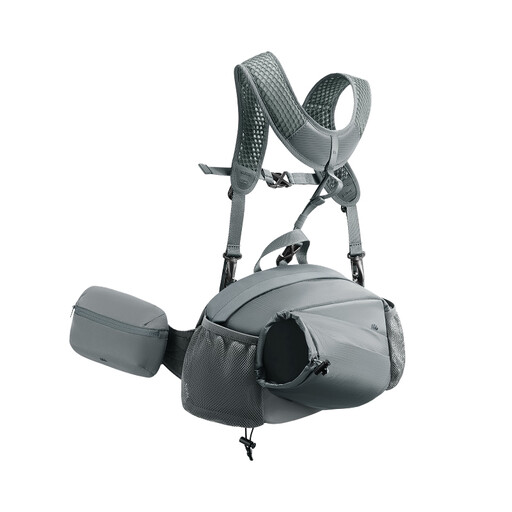
Why it fits: Suitable for short hikes, travel and everyday use when you want a compact, foldable bag.
The adjustable shoulder strap and foldable design mean you do not need to carry a large, cumbersome bag for short trips.
According to the product description, the model features a quick-fold structure, a 2:8 compartment layout and a detachable phone pocket.
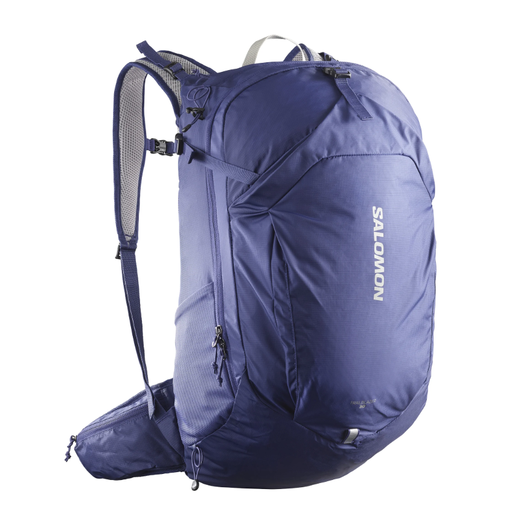
Why it fits: Its 30-litre capacity works well for day hikes, city use and commuting with extra clothing or lunch.
Multiple compartments make it easier to keep work essentials, clothing and snacks organised separately.
The manufacturer lists a breathable back and shoulder-strap panel, an ergonomic design and multiple storage compartments.
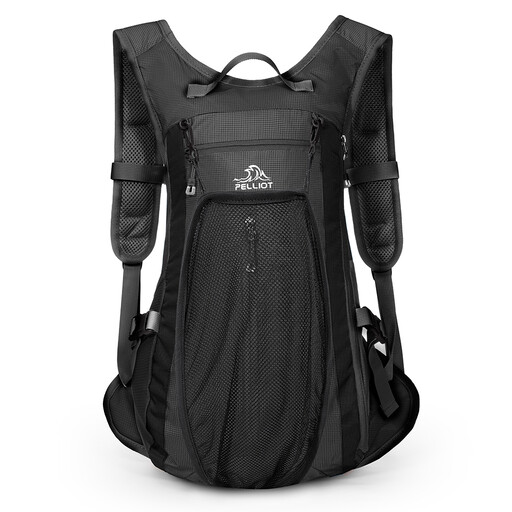
Why it fits: Designed for demanding bike rides and trail runs where a stable fit and quick access to small essentials matter.
The sizing is based on torso length and waist measurement, allowing you to assess the fit more precisely than with a one-size-fits-all bag.
The product specifications list a capacity of 10–15 litres for size S/M and 15–20 litres for L/XL, along with a breathable mesh lining.
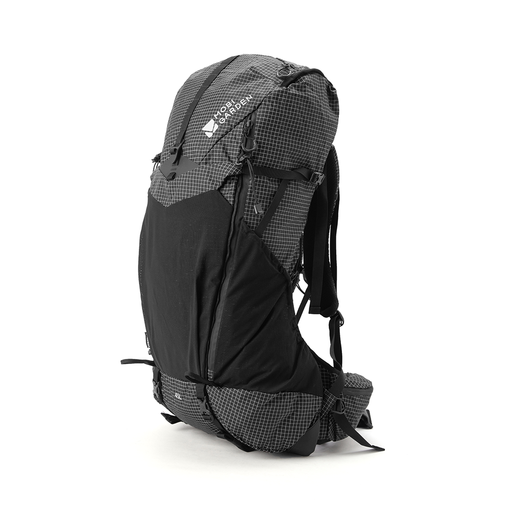
Why it fits: For backpackers and campers carrying clothing, sleeping gear and hiking equipment for several days.
The separate hip belt, sternum strap and adjustable shoulder straps are designed to distribute heavier loads more effectively.
According to the manufacturer, the model offers a 45-litre capacity, a 3D-ventilated back panel and a separate compartment for a hydration system.
Explore a current selection of backpacks and cooler backpacks in different capacities, materials and layouts for outdoor adventures and everyday use.
For the office, school or a long train journey, a laptop backpack with lunch compartment may be more practical than a traditional hiking backpack. The Summer Cooler Bag features a removable insulated lunch compartment, a laptop sleeve for models up to 15.6 inches, a luggage strap and a water-resistant outer fabric, according to the product description.
Do note the difference between a lunch compartment and a fully insulated cooler backpack. The insulation is designed to keep food and drinks separate; the actual temperature retention depends on the ambient temperature, the amount of food and drink being carried and whether ice packs are used. According to the brand’s own information, the OutdoorMaster Cooler Backpack 21L remains insulated with ice for up to 20 hours. This is a brand claim, not a general guarantee for every situation.
For most day hikes, a 20- to 30-litre hiking backpack is sufficient. If you are carrying extra clothing, a camera, lunch and plenty of water, 30 litres gives you more flexibility. Always check the dimensions of the compartments, not just the stated capacity.
A water-resistant backpack may be sufficient in light rain, but for prolonged rainfall, a rain cover or waterproof inner bag is the safer option. Protect your laptop, phone and spare clothing separately. Do not rely solely on the term “water-resistant”; look for information about the seams, zips and any stated hydrostatic-head rating.
Empty all compartments, remove sand and mud, and wipe the bag clean with a damp cloth. For stubborn dirt, use a mild soapy solution if permitted by the manufacturer. Allow the backpack to air-dry completely and store it in a dry place away from direct sunlight. Do not machine-wash a bag unless this is explicitly stated on the care label.
