
Vandaag of morgen in huis

Kwaliteit gegarandeerd

Welkomstaanbiedingen ontgrendelen: GRATIS bezorging | Tot 80% korting | Gratis 30 dagen JoyPlus-proefperiode
Download de app
An outdoor backpack needs to do more than look sporty. In the Netherlands, a bag has to cope with rain, mud, changing temperatures and often a packed train or bicycle basket. Yet many people choose a backpack based solely on its capacity in litres or a claim such as “waterproof”. This can result in a bag that becomes uncomfortable after just a few walks, offers insufficient protection or is awkward to use every day.
Joybuy Product Recommendation Officer therefore starts by looking at verifiable features: capacity, weight, carrying system, compartment layout and protection against moisture. These points make it easier to compare a walking backpack, trekking backpack or travel backpack.
A large 50-litre backpack may seem convenient, but extra space encourages you to take more with you. Without adjustable shoulder straps, a chest strap and a hip belt, the weight can sit mainly on your shoulders. For a day walk, 18 to 30 litres is often more practical. For lightweight camping over several days, around 45 litres may be a better fit.
Water-repellent or weather-resistant fabric helps in light rain, but it does not automatically mean that the seams and zips will remain waterproof for extended periods. Check whether a rain cover is included and consider using a separate waterproof bag for electronics or clothing. The product description for the OutdoorMaster Snow Sport Travel Backpack mentions water-resistant recycled fabric and a separate rain cover; that is more specific than simply using the term “waterproof”.
A backpack with lots of compartments can make it easier to stay organised, but small compartments also take up space. Think about what you actually carry: a laptop, water bottle, walking poles, waterproof jacket or cooking set. A separate hydration bladder sleeve and a front pocket for quick access are often more useful when walking than lots of small zipped compartments.
Capacity is stated in litres, but how useful the backpack is in practice also depends on its shape. Keep these guidelines in mind:
Also check the dimensions. A 30-litre bag may carry differently because of its narrow or particularly wide shape compared with a model with the same stated capacity.
The weight of the empty bag matters too. A 1.35 kg backpack can be comfortable on long walks if the carrying system distributes the weight well, but for a simple day walk, a lighter model may make more sense. Look for:
For example, the PELLIOT Trail Running Backpack links sizes to a torso length of 38–46 cm or 45–53 cm. This type of information is more useful than a general claim that the bag is “universally comfortable”.
Nylon, polyester, Oxford fabric and Dyneema composite fabric have different properties. A coating can provide protection against rain and wear, while a lightweight material may be less suitable for sharp rocks or unprotected camping equipment. According to the product description, the Mobi Garden Phantom Pro uses Dyneema composite fabric and has a separate waterproof compartment for a hydration system. However, the manufacturer does warn that even this material can be damaged by forceful tearing or sharp objects.
So, a waterproof backpack is not automatically suitable for every type of terrain. Check the closure, seams, zips and included rain cover before carrying valuable items.
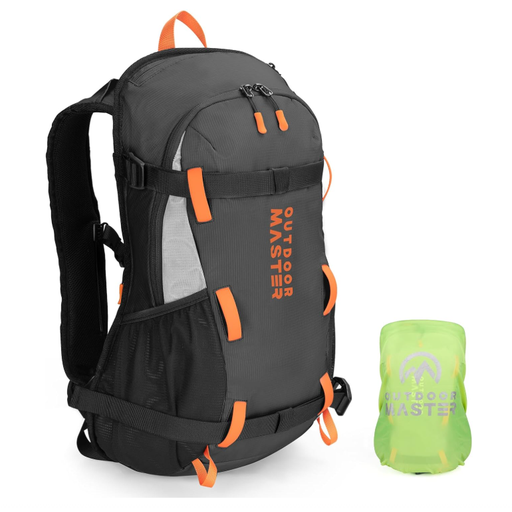
Why it suits this profile: The 18-litre capacity is suitable for day trips, commuting and short outdoor activities. The bag can hold a 2-litre hydration system, which is not included.
The product description mentions a rain cover, multiple compartments and adjustable chest and hip straps. However, check the size and load capacity you need before buying.
18-litre capacity, 3D ventilated back panel, mesh side pockets and a separate softly lined compartment.
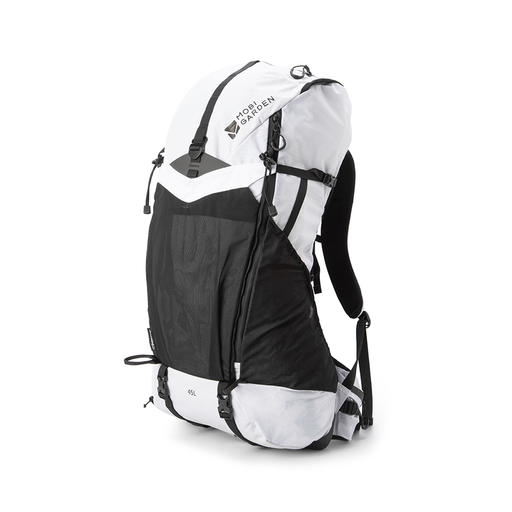
Why it suits this profile: This model is designed for trekking and lightweight backpacking. Its 45-litre capacity provides room for several days’ equipment without immediately stepping up to a large 50-litre backpack.
The bag combines a hip belt, chest strap and 3D ventilated back panel. At the same time, the product information warns against sharp objects and overloading.
Approximately 1.35 kg, separate cover for a hydration system, external attachment points and stretchy side pockets.
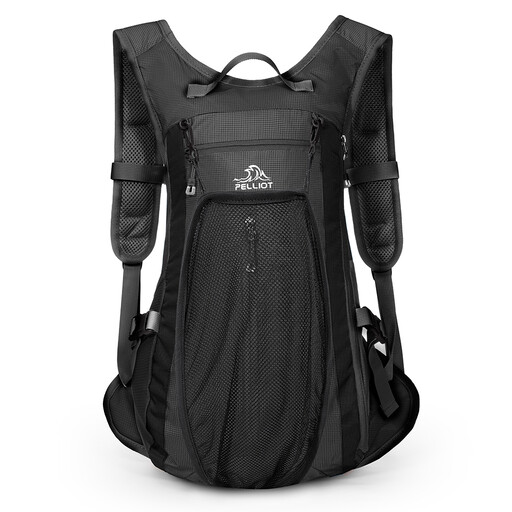
Why it suits this profile: This hiking backpack is designed for intensive activities where a stable fit and quick access are important, such as trail running, cycling and demanding day walks.
The size chart links the model to torso length and waist size. This prevents you from relying solely on a “one size” label or appearance.
20 litres, hard-wearing grid polyester, breathable mesh and pockets for items including a bottle, phone, snacks and tools.
Use this quick checklist:
A foldable backpack is useful as a spare during a trip, but it usually has less structure than a trekking backpack. For a laptop or fragile items, padded compartments are more important than a low empty weight. For camping, attachment points, weight distribution and material strength matter more.
We have put together a complete, up-to-date list of products that fully meet these strict selection criteria and the applicable European safety regulations.
For most day trips, around 18 to 30 litres is sufficient. Choose closer to 30 litres if you are taking extra clothing, lunch, a camera or a hydration system. For a short walk with little luggage, 10 to 18 litres may be enough.
Use the included rain cover if there is one and pack electronics, documents and clothing separately. Close the zips properly and allow the bag to dry completely after a wet walk. Water-repellent fabric does not protect against prolonged or heavy rain in all conditions.
Its lifespan depends on the load, material, terrain and care. Avoid overloading, sharp objects and storing it for long periods in damp conditions or direct sunlight. Clean it according to the product instructions and regularly check the seams, buckles, zips and attachment loops.
