
Vandaag of morgen in huis

Kwaliteit gegarandeerd

Welkomstaanbiedingen ontgrendelen: GRATIS bezorging | Tot 80% korting | Gratis 30 dagen JoyPlus-proefperiode
Download de app
An outdoor backpack needs to do more than just look tough. On British hiking trails, on the train and during a camping weekend, you’ll face changeable weather, varying loads and limited storage space. Yet many people buy a bag based solely on the number of litres or a striking product claim.
The following pitfalls are common:
Capacity is usually given in litres. A 30-litre backpack is often suitable for a day hike, commuting or a short city break. For a multi-day trip with sleeping gear and cooking equipment, you’ll be better off with a 45-litre backpack or 50-litre backpack.
Use this guide as a starting point:
Also pay attention to the shape. A bag with a large main compartment can offer more practical space than a model with lots of small pockets. Additionally, check whether the dimensions are suitable for hand luggage when you’re flying; airlines have different rules.
A hiking backpack should sit securely against your back. So check:
A mesh back panel can improve airflow, but it won’t automatically prevent sweating. With a heavy load, a chest strap and hip belt are generally more important than extra padding alone.
Nylon, polyester and Oxford fabric are commonly used for an outdoor backpack. Don’t just look at the material name, but also at the construction: seams, zips, buckles and attachment points all help determine how practical the bag is to use.
When it comes to rain, note the difference between:
If it only says “anti-splash” or “rain-resistant”, take a rain cover or waterproof dry bag for electronics, clothing and sleeping gear.
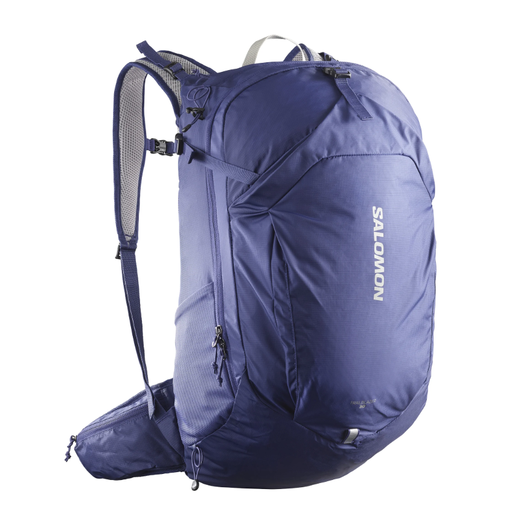
Why this fits the profile: The 30-litre capacity suits day trips, urban use and short breaks. The combination of multiple pockets and an ergonomic design makes the bag versatile.
The product description mentions improved shoulder straps and back panel, breathable mesh and multiple storage pockets. Do check the fit and maximum load before buying.
30-litre capacity, nylon and polyester fabric, breathable mesh and multiple compartments.
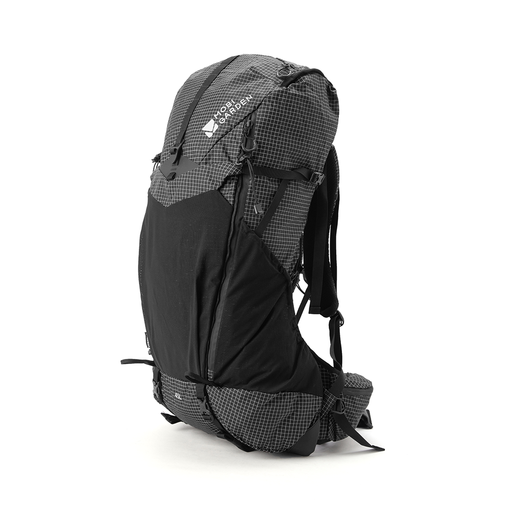
Why this fits the profile: This hiking backpack is designed for backpacking, hiking and trekking. The 45-litre capacity offers room for multi-day gear without going up to a 50-litre model.
The specifications mention a 3D ventilated back panel, hip belt, chest strap and a separate waterproof hydration sleeve. The bag isn’t automatically fully waterproof; protect loose items separately.
45-litre capacity, Dyneema composite fabric, external attachment points and a separate hydration compartment.
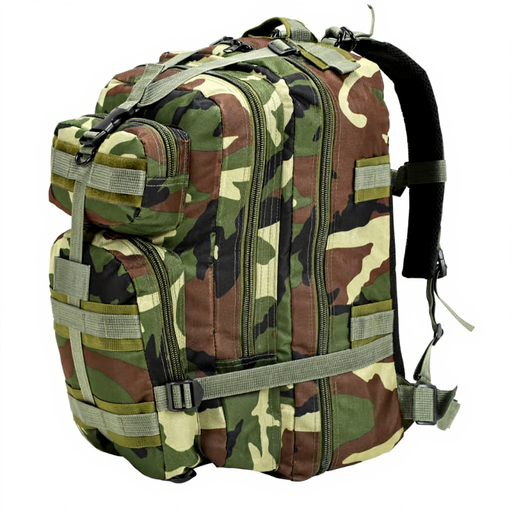
Why this fits the profile: The 50-litre capacity is aimed at campers, hikers and travellers who carry larger amounts of gear.
The bag has an adjustable chest strap, hip belt, compression straps and a mesh back panel. With a 50-litre capacity, careful packing is important to avoid overloading.
50-litre capacity, four stated pockets, coated Oxford fabric and adjustable carrying components.

Why this fits the profile: This compact travel backpack is suitable for commuting, school, short outings and as an extra bag inside a suitcase.
According to the product information, the bag can be expanded from 10 to 13 litres and has a fabric that is described as helping to resist wind, rain and stains. That’s not a guarantee of full waterproofing.
8.3 oz product weight, expandable capacity from 10 to 13 litres and two adjustable shoulder straps.
We’ve put together a full, up-to-date list of products that fully meet these strict selection criteria and comply with current European safety regulations.
Check these points before ordering:
For most day trips, 20 to 30 litres is a practical starting point. If you’re taking extra clothing, a camera, lunch and plenty of water, 30 litres may be more convenient. For a multi-day trip, you’ll usually need a hiking backpack of 45 litres or more.
No. Outdoor fabrics can be water-repellent or water-resistant without the seams and zips being fully waterproof. Look for a specific waterproof claim or use a rain cover and waterproof inner bags.
The lifespan depends on the material, load, maintenance and usage conditions. Avoid overloading, store the bag in a dry place and clean off mud with a damp cloth when needed. Regularly check seams, zips, buckles and straps for wear and tear.
