
Vandaag of morgen in huis

Kwaliteit gegarandeerd

Welkomstaanbiedingen ontgrendelen: GRATIS bezorging | Tot 80% korting | Gratis 30 dagen JoyPlus-proefperiode
Download de app
A good night's sleep isn't a luxury; it's a necessity. Yet, many of us wake up with back pain, stiffness, or simply the feeling of not being rested. Often, the culprit is a mattress that fails to provide the right support. The search for a new mattress can be overwhelming due to the vast array of choices and specifications.
As a Joybuy Product Recommendation Officer, I'm here to guide you. In this article, we'll highlight the key factors to consider and present several popular choices to help you make a well-informed decision.
An orthopaedic mattress is designed to provide optimal support for your body, particularly your spine. But what exactly should you look for? Here are a few practical tips.
The choice of material has a significant impact on your sleep comfort. The two most common types are memory foam and pocket spring.
A good orthopaedic mattress is often divided into comfort zones. A 7-zone mattress is the most common configuration. These zones are designed to give each part of the body the right support: a firmer zone for the hips and a softer zone for the shoulders, for example. This helps keep the spine in a natural, straight alignment, which is essential for a mattress for back pain.
The size is straightforward: a 160x200 cm mattress is a popular size for two people, while a 180x200 cm mattress offers a bit more space and comfort. The firmness (often indicated from H1 to H4) is more personal. It depends on your body weight and sleeping position. As a rule of thumb: the higher your weight, the firmer the mattress (e.g., H3 or H4) should be to provide adequate counter-pressure.
Based on product specifications and features, we've compiled a list of interesting options for you.
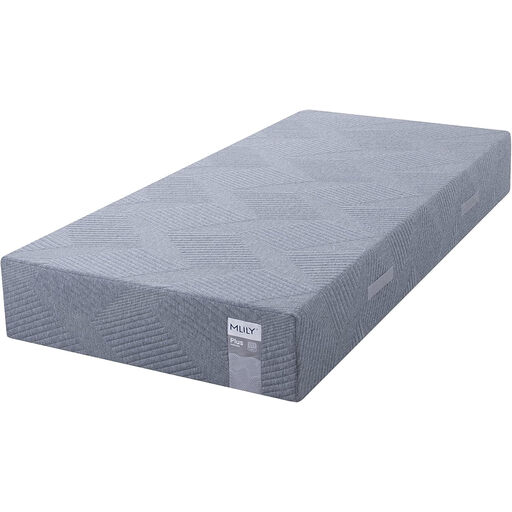
Why It Stands Out This mattress combines a memory foam layer with a pocket spring core in a hybrid design. It offers a balance between pressure-relieving comfort and stable support. The 7 ergonomic comfort zones are designed to aid muscle recovery and reduce tossing and turning. According to the manufacturer, the COOLFLEX technology ensures enhanced air circulation.
Pros
Who Is It For? This mattress is an excellent choice for couples, as movement from one person is less likely to disturb the other. It's also suitable for sleepers who want to experience the benefits of both a memory foam mattress and a pocket spring mattress in a single product.
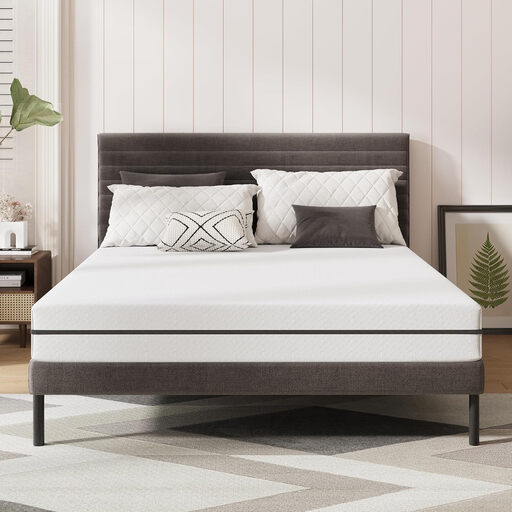
Why It Stands Out The EGO HOME mattress features a clever design: it's reversible and offers two different firmness levels. One side has an H3 firmness with gel foam, while the other side provides a firmer H4 feel. The materials are Oeko-Tex and CertiPUR certified, indicating they have been tested for harmful substances.
Pros
Who Is It For? This mattress is ideal for people who are unsure about the right firmness or who like having the option to switch. The gel layer makes it a great option for those who tend to sleep hot. The spacious 180x200 cm size is perfect for those who love extra room.
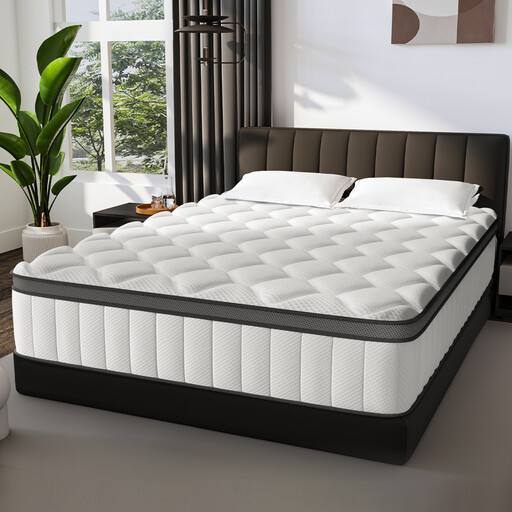
Why It Stands Out This pocket spring mattress from GTIMEX is a classic example of an ergonomically designed mattress. It features a 7-zone layout to follow the body's natural curvature and help align the spine. According to the product information, the materials used are designed for a high degree of breathability and resistance to bacteria.
Pros
Who Is It For? A solid choice for anyone looking for a traditional 7-zone mattress with the proven benefits of pocket springs, such as excellent ventilation and firm support. It is suitable for back, side, and stomach sleepers who need a mattress that promotes correct sleeping posture.
Is a traditional mattress not quite what you're looking for? For those who value flexibility and space-saving design, or who embrace a minimalist lifestyle, an alternative sleep solution might be more appealing.
Discover our selection of Japanese floor mattresses for adults for an alternative and versatile sleep experience.
An orthopaedic mattress is specifically designed to provide extra support to the back, neck, and joints. This is often achieved through different comfort zones (like a 7-zone mattress) and materials such as memory foam or firm pocket springs, which adapt to the body's contours for better alignment.
The right firmness depends on your body weight, sleeping position, and personal preference. Generally, the heavier you are, the firmer the mattress (e.g., H3 or H4) should be. Side sleepers often benefit from a slightly softer mattress to allow their shoulders and hips to sink in, while back and stomach sleepers typically need firmer support.
Many people experience relief from back pain when using a supportive mattress. A mattress for back pain works by keeping the spine in a neutral, straight line during sleep. This can reduce pressure on the vertebrae and muscles. However, it is not a medical device, and results may vary from person to person.
