
Vandaag of morgen in huis

Kwaliteit gegarandeerd

Welkomstaanbiedingen ontgrendelen: GRATIS bezorging | Tot 80% korting | Gratis 30 dagen JoyPlus-proefperiode
Download de app
A good night's sleep is just as important for your dog as it is for you. An orthopedic dog bed can make a world of difference, especially for senior dogs, large breeds, or dogs with joint problems. However, the market is flooded with options, and not every bed labeled "orthopedic" provides the right support. Many owners fall into the same traps, leading to a poor purchase and an uncomfortable dog.
As a Joybuy Product Recommendation Officer, I'm here to help you see through the marketing claims. Here are the three most common mistakes when choosing an orthopedic dog bed and how you can avoid them.
The term "orthopedic" is not a protected designation. Manufacturers can apply it to virtually any bed. The trap is buying a bed filled with cheap polyester fibers or thin egg-crate foam that goes completely flat after a few weeks. This offers no real support and can even worsen your dog's condition.
Hygiene is crucial. A dog bed with a washable cover sounds ideal, but the details matter. Common problems include low-quality zippers that break after two washes, fabric that shrinks or pills, or a design that makes it nearly impossible to remove the filling. Another hidden flaw is the lack of a waterproof inner liner, which allows accidents to seep directly into the expensive foam, damaging the bed beyond repair.
A bed that's too small forces your dog into an unnatural position, putting extra strain on their joints. Conversely, a bed that's too large doesn't offer the secure, enclosed feeling that many dogs, especially anxious ones, need. The shape is just as important: a dog that likes to curl up has different needs than one that stretches out completely.
To make a durable and comfortable choice, focus on the following three points.
The support of an orthopedic bed comes entirely from its filling. Look for the following materials:
Avoid beds filled only with loose fibers if you are looking for true orthopedic support.
A good dog bed with a washable cover must meet a few requirements. Check for:
Measure your dog in their favorite sleeping position to determine the right size. Add about 15-25 cm (6-10 inches) for extra room. This is especially important for a large dog bed or an XXL dog bed. Next, consider the shape:
Below are some products that align well with specific needs, based on their specifications.
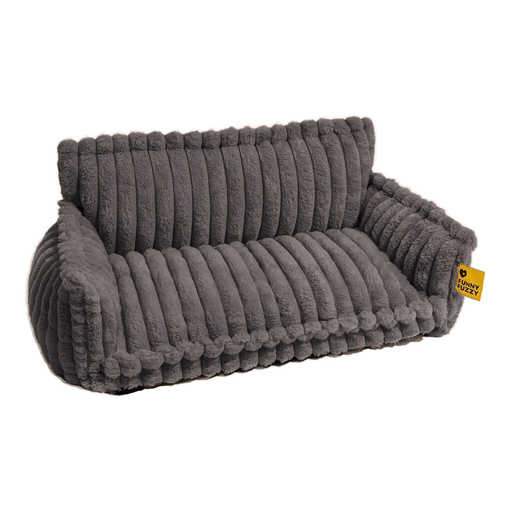
Why This Fits Their Persona: This model is designed as a sofa-style bed, targeting dogs that need extra support. The low entry point is practical for dogs with limited mobility.
The egg-crate foam filling is specifically designed for pressure distribution, unlike standard fiberfill. The cover is fully removable and washable, avoiding the 'limited washability' trap.
The raised bolsters provide neck and head support. The non-slip bottom ensures stability as the dog gets in and out.
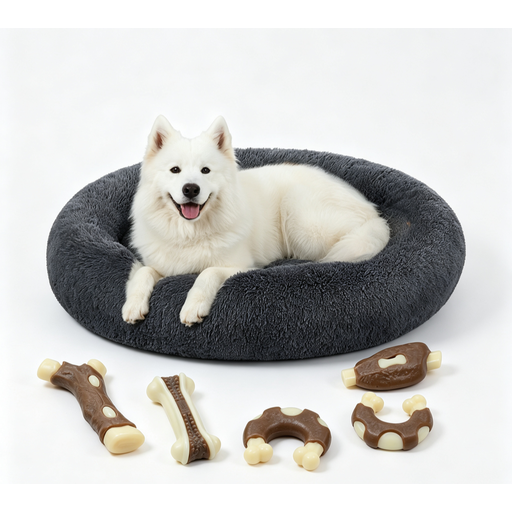
Why This Fits Their Persona: With a 120 cm diameter, this model falls into the XXL dog bed category, making it ideal for large dogs. The donut shape is perfect for dogs who love to curl up and rest after an active day.
This model tackles the maintenance problem with a fully removable and machine-washable cover. Its generous size prevents the mistake of choosing a bed that's too small for a large breed.
The soft plush fabric and raised rim offer a calming, nest-like feel. The non-slip bottom keeps the bed in place, even when an energetic dog jumps in.
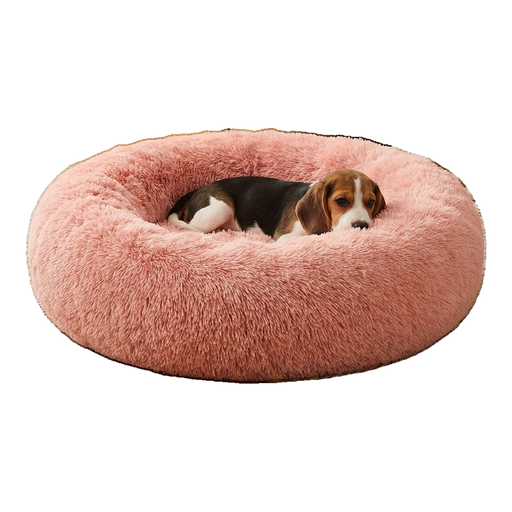
Why This Fits Their Persona: This is a classic donut bed, often described as a calming dog bed. The design is specifically focused on providing a sense of safety and security, ideal for dogs that love to curl up or could use a little extra reassurance.
The product description specifies that the cover has a zipper to remove the center cushion, which makes washing practical. The PP cotton filling provides a soft, supportive base for comfort, fitting the bed's purpose.
The ultra-soft plush fabric is comfortable, and the non-slip bottom provides stability. The design is purely focused on creating a safe haven.
We've curated a complete, up-to-date list of products that meet strict selection criteria and practical use requirements.
The best method is to measure your dog while they are in their favorite sleeping position. For dogs that stretch out, measure from their nose to the base of their tail and add 15-25 cm (6-10 inches). For dogs that curl up, measure the diameter of the dog and choose a bed that is slightly larger. Always consult the manufacturer's size chart, as dimensions can vary by brand.
The lifespan depends heavily on the quality of the foam and the cover. A bed with high-quality memory foam or HR foam can retain its shape and support for several years (3 to 5 years or more). Cheaper alternatives with standard foam or fiberfill can become flat and unusable after just a few months. A protected inner core and a durable, washable cover contribute significantly to a longer lifespan.
While any dog benefits from a supportive sleeping surface, an orthopedic bed is especially valuable for senior dogs, large breeds prone to joint problems (like Labradors, German Shepherds, and Golden Retrievers), and dogs recovering from an injury. The bed helps to distribute weight evenly, which reduces pressure on painful joints and promotes a deeper, more restorative sleep.
