
Vandaag of morgen in huis

Kwaliteit gegarandeerd

Welkomstaanbiedingen ontgrendelen: GRATIS bezorging | Tot 80% korting | Gratis 30 dagen JoyPlus-proefperiode
Download de app
An orthopaedic dog bed needs to do more than look soft. You want a place to lie that suits your dog's body length, does not move around easily and is simple to clean. Yet many product descriptions focus mainly on phrases such as “extra soft”, “calming” or “supportive”, without explaining what these features mean in practice.
So watch out for these three common pitfalls:
Measure your dog from nose to the base of the tail, then add enough space for turning and stretching. Next, look at the usable sleeping area, not just the overall dimensions.
Also check the maximum recommended weight if this is stated. A bed that is too small may cause your dog’s paws or body to extend beyond the edge.
An orthopaedic dog bed often uses foam or a fibre filling with a particular structure. The product information provided, for example, mentions egg-crate foam in several FUNNYFUZZY beds. The wave-shaped design is intended to combine a firmer sleeping surface with cushioning.
Other models use PP cotton. According to the product descriptions from the relevant brands, this filling provides resilience and retains its shape. This is a product claim made by the brand, not a guarantee for every dog. So pay attention to:
A raised edge can be practical for dogs that like to rest against something. For anxious animals, an enclosed shape may provide a familiar place to relax, but a dog bed is not a substitute for behavioural support or veterinary advice.
A washable dog bed is especially useful in households with puppies, older dogs or several pets. Before buying, check exactly which parts can be washed.
Useful features include:
Water-resistant Oxford fabric is practical for a crate, hallway or area where dirt builds up more quickly. Plush, sherpa and faux fur feel softer, but may hold on to more hair and require more frequent vacuuming or brushing.
Place the bed on a flat, dry surface. Even an anti-slip base cannot always prevent a bed from moving across a smooth tiled floor when a dog jumps onto it enthusiastically.
The choices below are based on verifiable information from the product descriptions, such as dimensions, material, washability and construction.

Why it suits this profile: This round model is designed for small and medium-sized dogs that like to sleep curled up. With a diameter of 70 cm, it is a manageable choice for a living room or bedroom.
The product information specifies the overall diameter, material and removable central cushion. This makes it easier to assess the size and care requirements in advance.
Plush fabric, PP filling, a zip for removing the central cushion and rubber studs underneath.

Why it suits this profile: This model combines a soft surface with egg-crate foam, a raised headrest and a removable cover. It is suitable for dogs and cats of different ages.
The product description mentions both the foam structure and the machine-washable cover. This makes the distinction between the comfort material and the washable component clearer.
Sherpa and faux fur, egg-crate foam, raised edge, removable cover and an anti-slip underside.
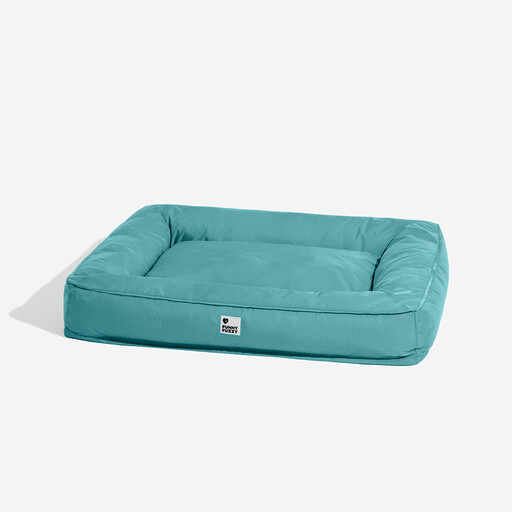
Why it suits this profile: The water-resistant Oxford fabric and fully enclosed shape are practical for a crate, a busy household or dogs that dig and scratch.
The specifications mention water-resistant Oxford fabric, a separate inner cushion and cover cleaning. This avoids leaving the phrase “fully washable” unexplained.
Water-resistant Oxford fabric, raised edge, enclosed shape, scratch-resistant construction and a removable inner cushion.
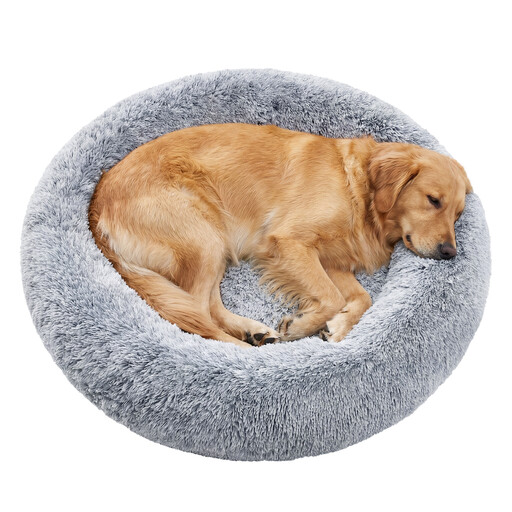
Why it suits this profile: The 100 cm diameter provides more space for medium-sized to large dogs, as well as several small pets that like to lie close together.
The product information states the diameter, height of 20 cm, PP filling and removable outer cover. This allows you to consider the space required and care needs in advance.
100 cm diameter, raised edge, plush material, PP cotton filling, removable washable cover and anti-slip rubber underneath.
We have put together a complete, up-to-date list of products that fully meet these strict selection criteria and the applicable European safety regulations.
Measure your dog while lying down from nose to tail, then add extra space for turning around. With a donut model, take the raised edge into account. For small dogs, 60 or 70 cm may be suitable; larger dogs often need 100 cm or more. Always compare the internal space with your dog’s sleeping habits.
First remove the cover or central cushion according to the product instructions. Wash it using the programme and temperature stated on the care label, do not use bleach, and allow all parts to dry completely before putting them back. An inner cushion that is not machine washable can generally be spot-cleaned; follow the manufacturer’s specific instructions.
Its lifespan depends on use, weight, moisture, washing and chewing behaviour. Regularly check the seams, zips, anti-slip material and any exposed filling. Replace the bed when it has become visibly misshapen, damaged or unstable. For a dog that scratches or chews a lot, a sturdy Oxford model may be more practical than a long-pile fluffy pet bed.
