
Vandaag of morgen in huis

Kwaliteit gegarandeerd

Welkomstaanbiedingen ontgrendelen: GRATIS bezorging | Tot 80% korting | Gratis 30 dagen JoyPlus-proefperiode
Download de app
An orthopaedic dog bed should be more than a soft place on the floor. It should suit your dog’s build, sleeping style and daily habits. A bed that is too small, a slippery underside or a cover that is difficult to wash can quickly lead to frustration and extra costs.
This is particularly important for older dogs, large breeds and pets that dig frequently or shed heavily. It pays to look beyond colour and appearance. Below, you’ll find out which features deserve attention and which dog beds suit different situations.
Words such as “orthopaedic” or “supportive” do not mean much on their own. Check which material is used inside the cushion. Egg-crate foam, polyester fibre and PP filling each have a different structure. Also consider the cushion height and whether it has a raised edge or headrest.
A soft dog bed may feel comfortable, but softness alone does not give you a clear idea of the support it provides. For dogs that like to lie fully stretched out, a flat sleeping surface is more important than a very high edge.
A dog bed for large dogs should provide enough room for them to stretch out fully. Measure your dog from nose to the base of the tail, then add extra space for turning and stretching. With a donut dog bed, look at the inner space, not just the outside diameter. The raised edge takes up part of the sleeping area.
A bed measuring 60 or 70 cm may be suitable as a cat and dog bed for small animals, but that does not automatically make it suitable for a medium-sized dog.
Check exactly which parts can be removed. With some models, only the inner cushion can be taken out; with others, the cover can be washed separately. A machine-washable dog bed is practical for muddy paws, accidents and lots of hair, but always follow the care label.
Allow all parts to dry completely before putting them back together. A water-repellent dog bed is also not the same as one that is fully waterproof. Oxford fabric may help repel moisture and stains, but check the product description for the exact wording.
Choose based on how your dog sleeps:
With vacuum-packed models, shake and fluff the bed after unpacking it. Some products need time to regain their original shape.
Pay attention to the difference between a soft top layer and the bed’s core. The product information may mention egg-crate foam, PP cotton, polyester fibre and plush fabric, among other materials. These materials partly determine how the bed feels and how easy it is to maintain.
A dog bed for joints may seem particularly appealing for older dogs, but a bed is not a substitute for veterinary advice. If your dog has persistent pain, difficulty standing up or a change in sleeping position, it is best to consult a vet.
An anti-slip dog bed cannot guarantee that the bed will never move, but an underside with rubber points or anti-slip fabric can help reduce sliding on a flat floor. Check the seams, zips and underside regularly. Dogs that chew fabric should be supervised particularly closely when they first use the bed.
Place the bed in a dry, level spot, away from radiators, heaters and naked flames. This is especially important with plush, fleece and other soft synthetic materials.
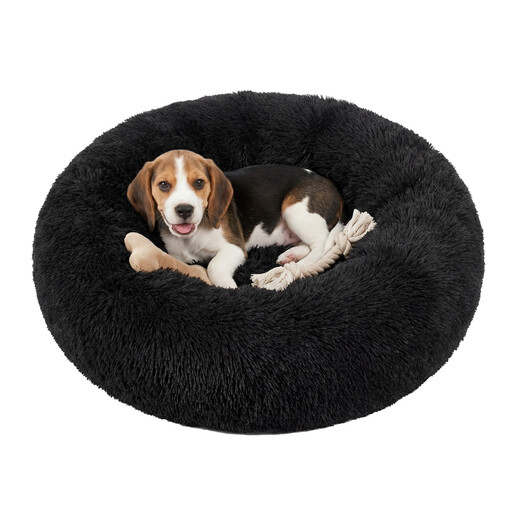
Why it suits this profile: The round shape is suitable for small to medium-sized dogs that like to sleep curled up. The central filling can be removed using a zip.
The product information states the suitable animal size, diameter and cleaning method, so you do not have to choose the size based on the photograph alone.
Plush fabric, PP cotton filling, removable central filling and rubber anti-slip points.
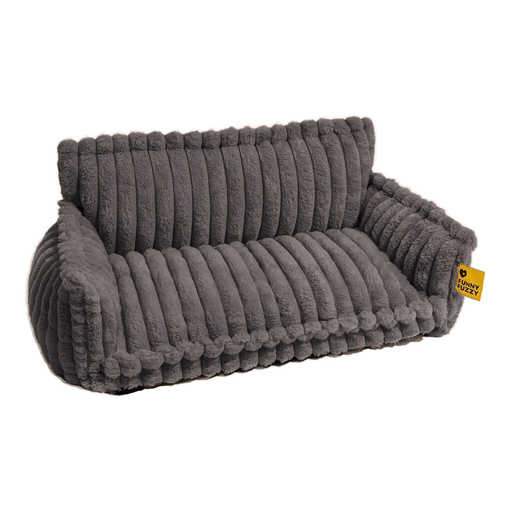
Why it suits this profile: This model combines a plush and sherpa surface with egg-crate foam and a raised headrest. It is designed for dogs and cats of all life stages.
The product description specifies the foam structure, removable cover and anti-slip fabric. This allows you to compare support and maintenance more easily.
Egg-crate foam, raised headrest, machine-washable cover and anti-slip base.
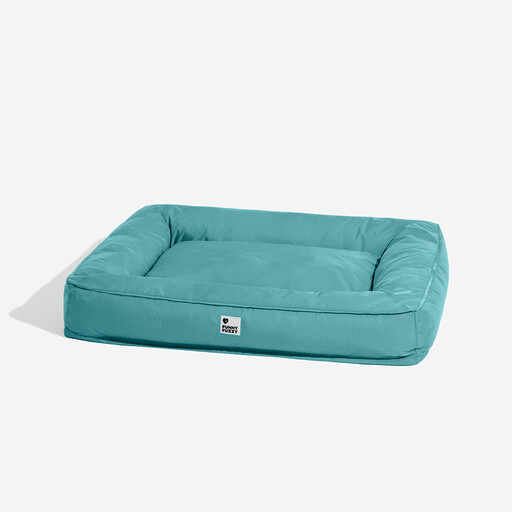
Why it suits this profile: According to the product description, the Oxford fabric is water-repellent and easy to clean. The continuous raised edge suits dogs that like to rest against a support.
The description states the material, removable parts and the need to let everything dry completely. This makes maintenance requirements clearer.
Water-repellent Oxford fabric, scratch-resistant construction and fully removable parts.
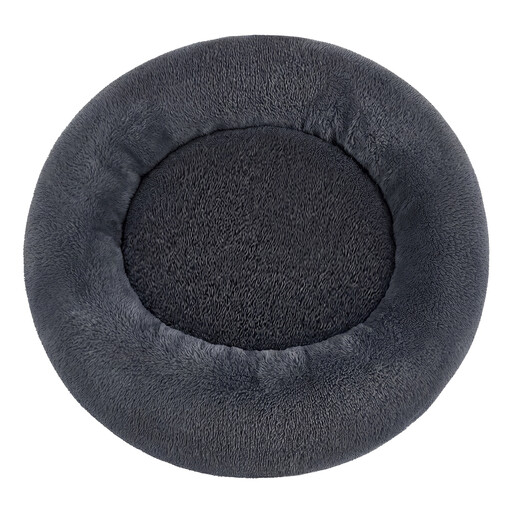
Why it suits this profile: The 120 cm diameter is designed for large dogs and households with several pets. The high edge creates an enclosed sleeping shape for dogs that like to curl up.
The exact outside diameter, height and recommended user group are stated in the product information. This lets you check in advance whether you have enough available space.
Large diameter, PP cotton filling, removable cover and anti-slip base with rubber points.
We’ve put together a complete, up-to-date list of products that fully meet these strict selection criteria and the applicable European safety regulations.
A dog bed will generally remain usable for longer when you maintain it regularly:
Replace the bed if tears appear or if your dog can reach the filling. This is particularly important for dogs that chew fabric.
A bed with a supportive core, flat sleeping surface and, where necessary, a low entrance can be practical for older dogs. Suitability depends on the individual dog and its condition. If your dog has joint or back problems, it is advisable to consult a vet.
Measure your dog while lying down, from nose to the base of the tail, and add enough room for turning around. For a dog bed with a raised edge, check the internal dimensions. Large dogs may need a 120 cm model, while 60 to 70 cm is often intended for small to medium-sized animals.
This depends on how often it is used, how much your dog sheds and how dirty it gets. Remove hair between washes and wash the cover as soon as it becomes visibly dirty or starts to smell unpleasant. Always follow the manufacturer’s care instructions and allow all parts to dry completely.
