
Vandaag of morgen in huis

Kwaliteit gegarandeerd

Welkomstaanbiedingen ontgrendelen: GRATIS bezorging | Tot 80% korting | Gratis 30 dagen JoyPlus-proefperiode
Download de app
An orthopaedic dog bed can be a good choice for a dog that likes to lie on its side, often changes position or would appreciate extra support. But a product name doesn’t tell you everything. Some beds look thick and soft but quickly lose their shape. Others are easy to clean but offer little protection against moisture or slide around on a smooth floor.
So pay particular attention to the construction, size and care instructions. Below, you’ll find the main things to consider, along with some suitable options for different dogs and homes.
A high, fluffy surface may feel comfortable, but a soft dog bed and a supportive one aren’t the same thing. Check what the core is made from. Product descriptions may mention PP cotton, polyester fibre or egg-crate foam. Each material has a different structure and level of resilience.
A donut dog bed with plenty of loose filling is best suited to dogs that like to curl up. For a dog that stretches out, a flatter sleeping surface with a firmer core may be more practical.
A water-resistant dog bed usually has a fabric that absorbs moisture less quickly and is easier to wipe clean. That’s handy for muddy paws, drool or the odd accident, but always check which parts can be washed.
According to the product description, the FUNNYFUZZY All-Around Support bed is made with Oxford fabric. The outer fabric is designed to stay dry and be easy to clean. Remove the inner cushion before washing, and allow all parts to air-dry completely.
A dog bed may be well made but still unsuitable if your dog can’t stretch out on it. Measure your dog from nose to the base of the tail, then add around 15 to 20 cm. Also consider how your dog sleeps:
When choosing a dog bed for joint support, the construction matters more than a marketing term. A model with egg-crate foam has a shaped core which, according to the product description, provides support. That’s different from a bed filled only with loose fibres.
Look out for these points:
Claims about support or posture come from the brand’s description. They aren’t a medical assessment, and a bed is no substitute for advice from a vet.
A washable dog bed is only practical if you can remove the cover without too much effort. Check whether you can wash just the cover or the inner cushion too. Some models have an inner section that’s only suitable for spot cleaning.
A removable cover with a zip will usually save time. Follow the care label, avoid harsh bleach and let all parts dry completely before putting the bed back together. Damp filling can cause odours and wear.
A dog bed with a non-slip base is less likely to move around on laminate, tiles or a smooth wooden floor. Rubber dots help reduce slipping, but they only work when the base is in full contact with a flat surface.
Check the seams, zips and non-slip layer regularly. Dogs that like to dig or chew can damage the fabric and filling. Keep an eye on them if they tend to do this, especially during the first few days.

Why it suits this type of dog: According to the product information, this round model is intended for small and medium-sized dogs. Its soft raised edge creates a snug place to rest for dogs that like to curl up.
The 70 cm diameter makes it easier to check the size. The central cushion can be removed using a zip, so you can clean more than just the surface.
Plush fabric, PP filling, removable central cushion and rubber non-slip dots.

Why it suits this type of buyer: The product information mentions egg-crate foam, a raised headrest and a removable cover. It’s a good fit for anyone who wants to consider the construction, not just the soft outer layer.
The specifications describe the core, headrest and care requirements separately. This makes it easier to compare the features that matter, rather than focusing only on the word ‘orthopaedic’.
Egg-crate foam, sherpa and plush fabric, washable cover and non-slip material.
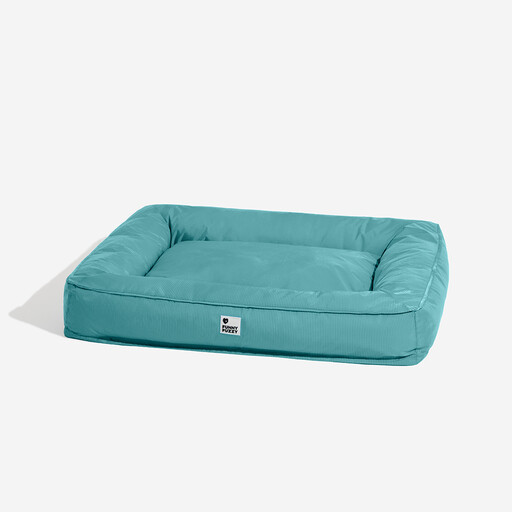
Why it suits this type of buyer: This model is designed for dogs and combines Oxford fabric with a raised edge all the way round. It’s suitable for homes where dirt, hair or moisture need regular attention.
The description mentions water-resistant fabric and a fully washable design, while also noting that the parts must be dried separately. This makes the care requirements clear.
Water-resistant Oxford fabric, raised edge all the way round, removable parts and polyester filling.
Place the bed somewhere flat and dry where your dog likes to rest. Give a new, vacuum-packed bed time to expand fully and fluff up the filling as instructed. A familiar blanket can help your dog settle in.
Vacuum up hair regularly and treat small stains as soon as possible. Wash removable covers according to the care label. Check monthly for loose seams, open zips and exposed filling. If the bed is damaged, replacing it is safer than continuing to use it with a small tear.
For dogs that often travel outdoors, a separate dog car bed may be more practical than using their bed from home. You can also browse the range of dog car beds.
We’ve put together a full, up-to-date list of products that meet these strict selection criteria and the applicable European safety regulations.
It can be, depending on the size, entry height and construction. Choose a sleeping surface that gives your dog room to turn around easily, and look for a stable non-slip base. If your dog has ongoing pain or stiffness, or shows other unusual behaviour, it’s best to speak to a vet.
It depends on how often it’s used, how much your dog sheds and whether there have been any accidents. Wash the cover when it’s visibly dirty or starts to smell. In between washes, you can remove hair and spot-clean small marks. Always check whether the inner cushion is machine washable.
Its lifespan depends on the material, your dog’s weight and whether they chew. A sturdy cover, strong seams and regular care can help reduce wear. Replace the bed if the filling stays flat, the base is no longer stable, or the seams and fabric are damaged.
