
Vandaag of morgen in huis

Kwaliteit gegarandeerd

Welkomstaanbiedingen ontgrendelen: GRATIS bezorging | Tot 80% korting | Gratis 30 dagen JoyPlus-proefperiode
Download de app
An orthopaedic dog bed can provide a comfortable place to rest for dogs and cats, but not every model suits every home, sleeping style or body shape. A soft exterior tells you little about the support it offers, and a large bed isn’t automatically suitable for a large dog.
So pay particular attention to the construction, dimensions and care instructions. Read on to find out which common pitfalls to avoid, which specifications matter and which models suit different needs.
A fluffy dog bed or donut dog bed can feel lovely and soft when you first unpack it. However, a bed filled only with loose fibres may flatten over time. Check whether the base has a separate cushion, foam layer or shape-retaining filling.
According to the product description, some FUNNYFUZZY models use an egg-crate foam structure for a supportive base layer. This is a product specification, not a medical treatment. If your pet already has joint problems, it’s still wise to consult a vet.
A washable dog bed sounds practical, but check exactly what can be washed. With some models, only the cover is machine washable. The inner filling then needs to be shaken out, aired or spot-cleaned.
Look for:
A water-resistant dog bed made from Oxford fabric is handy for muddy paws or little accidents. Water-resistant doesn’t automatically mean fully waterproof.
A dog bed for small dogs should have enough room for your pet to turn around and stretch out. A dog bed for large dogs needs more than just a bigger sleeping area: it should also have a sturdy edge and enough weight capacity.
Measure your pet in their sleeping position and add a few centimetres of room to move. Check the internal dimensions, not just the external ones, as a raised edge can take up a significant amount of space.
When choosing a bed for older pets or those who prefer a firm surface, look at the combination of:
A dog bed for joint support is no substitute for professional care. Here, the term refers to the construction and materials used, such as egg-crate foam or supportive filling around the sides.
A dog bed with raised sides suits pets who like to rest their head on something or feel snug and enclosed. A donut bed has a soft bolster all the way round and is particularly suited to dogs and cats who like to curl up.
For a pet who often stretches out, a rectangular sofa bed or crate bed is usually more practical. If you’re using a dog bed in a crate, check that the external dimensions fit inside and that the bed won’t block the door.
A dog bed with a non-slip base will generally stay in place better on a smooth floor, but the surface still matters. Put the bed in a flat, dry spot and check that the non-slip layer is in full contact with the floor.
On laminate, tiles or PVC, a bed may still slide when a dog gets in or out excitedly. A quiet spot away from draughts can also make the bed more inviting.
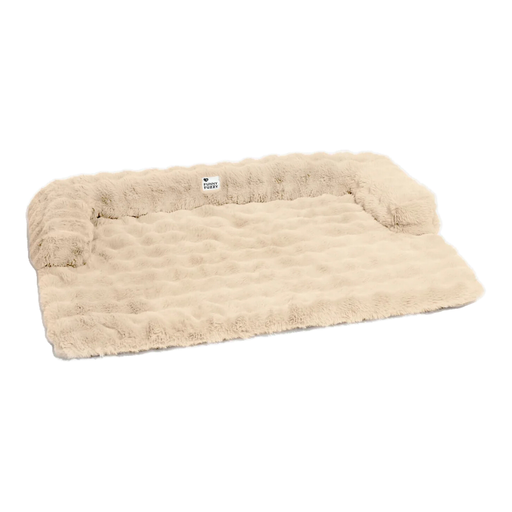
Why it suits this type of buyer: This compact model is designed for small dogs and cats, combining a soft plush outer layer with a washable cover.
The product description mentions egg-crate foam, a raised headrest and a removable, machine-washable cover. Be sure to check the exact washing instructions and internal dimensions.
Plush fabric and fluffy faux fur, egg-crate foam, a non-slip base and a washable cover, according to the product information.

Why it suits this type of buyer: The sofa-style design, with soft Sherpa fabric, egg-crate foam and a raised headrest, suits pets who like a soft, supportive place to rest.
According to the product description, the core is made from egg-crate foam rather than loose fluff alone. The cover is removable and machine washable.
Sherpa and plush fabric, a raised headrest, non-slip fabric and a removable cover, according to the listed product specifications.
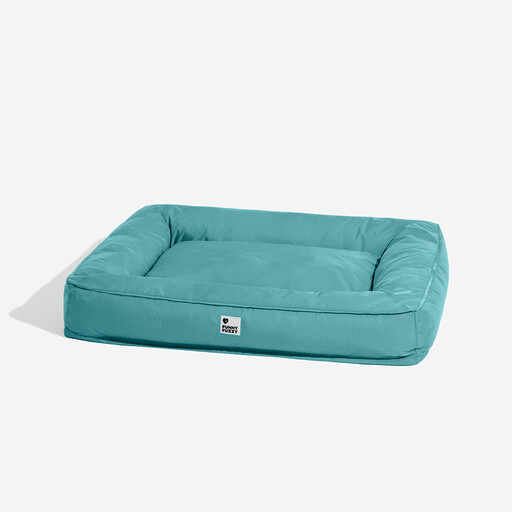
Why it suits this type of buyer: This model is designed for dogs who play outdoors, scratch or use a bed in a crate or a regular resting place.
According to the product information, the Oxford fabric is described as water-resistant and scratch-resistant. The cover and other parts need to be cleaned separately and left to dry completely.
Raised edges all the way round, water-resistant Oxford fabric, polyester filling and a fully detachable design.
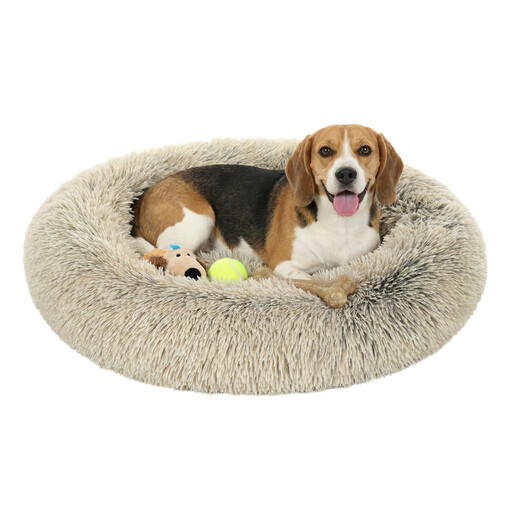
Why it suits this type of buyer: The round shape with a raised edge is designed for small to medium-sized dogs and cats who like to sleep curled up.
The 70 cm diameter and separate central cushion make the size and cleaning easier to check than with a model that has fixed filling.
Plush fabric, PP filling, removable centre cushion and non-slip rubber on the underside, according to the product details.
We’ve put together a complete, up-to-date list of products that meet these strict selection criteria and the applicable European safety regulations.
Your dog bed will last longer if you follow the washing instructions on its care label. Don’t wash a cover at a higher temperature than recommended, and don’t use bleach unless permitted. Let washed parts dry completely before putting them back in place.
Check regularly for:
Replace the bed if it’s badly worn. A non-slip base reduces movement, but it’s no substitute for placing the bed on a stable surface. Also keep plush materials away from heat sources and naked flames.
It can be, depending on your pet’s needs. Look for a stable, supportive base, a low entrance and plenty of room. The product term ‘orthopaedic’ describes the construction; it isn’t a medical guarantee. If your dog is in pain, seems stiff or shows any other unusual behaviour, ask a vet for advice.
Measure your dog from nose to the base of the tail while they’re lying down comfortably. Allow some room to move and compare the measurement with the bed’s internal dimensions. For a donut dog bed, focus on the usable central area, as the raised edge takes up space.
It depends on how often it’s used, your pet’s coat and how dirty it gets. Remove hair in between washes with a vacuum cleaner or lint roller, and wash the cover when it looks dirty or starts to smell. Always check the care label first and let the bed dry completely.
