What should you look for when buying?
Prepare your own popcorn from organic kernels
Choose this when: organic origin and control over preparation are your priorities.
Bear in mind: the nutritional values apply to dry corn; oil and other additions change the composition of your snack.
Ready-to-eat popcorn
Choose this when: you want to eat popcorn without preparing it yourself.
Bear in mind: check the nutritional values and organic label on the packaging of the exact variety.
Popcorn alongside a source of protein
Choose this when: you want to eat popcorn and assess your protein intake from the rest of your diet.
Bear in mind: this isn’t a high-protein popcorn product; check the nutritional values and any allergens in each item separately.
The key question is whether you want to assess the protein content, organic origin, convenience or cost of your whole snack first.
| Buying priority |
What should you check? |
Who might prioritise this? |
| Protein per serving |
Compare the protein per 100 g and calculate the amount in your serving. Albert Heijn lists 11 g per 100 g for the dry corn and a serving size of 25 g. |
If you want to tailor your sports nutrition, you’ll want to know how much protein your portion actually provides. Around 36% of consumers prioritise protein content. |
| Organic origin |
Check the organic label and the information on the packaging. The European Commission explains the rules for the EU organic logo and related labels. |
If organic origin is your priority, you’ll want to be able to identify it on the product you choose. Around 29% of consumers give this priority precedence. |
| Preparation and convenience |
Check whether you’re buying dry corn or ready-to-eat popcorn, and read the preparation instructions. Lidl lists both salted and sweet popcorn under Snack Day. |
If you want to spend little time preparing your snack, look for a variety you can eat straight away. Around 21% of consumers put convenience first. |
| Cost of your snack |
Compare like-for-like serving sizes and include the ingredients needed for preparation. Jumbo lists 500 g of dry popcorn kernels; ALDI lists a 100 g pack of salted popcorn. |
If you want to weigh up the cost of your whole snack, include any additions you’ll need as well. Around 14% of consumers look at this first. |
Popcorn options at Joybuy
This Joybuy selection includes ready-to-eat popcorn and kernels for making your own. The product listings alone don’t confirm organic status or an authorised protein claim.
 No image available
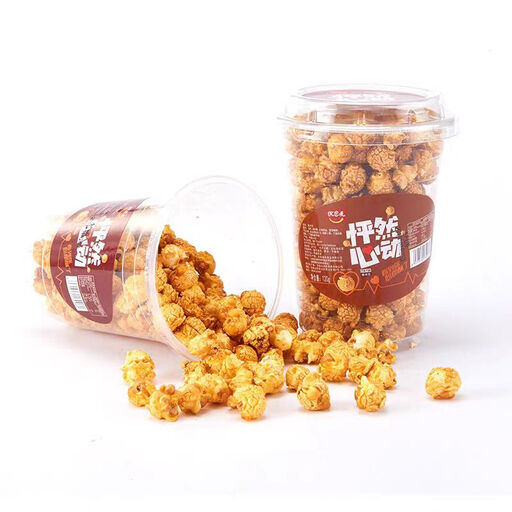
Yousmai Pengranxindong Popcorn (Caramel) 120 g
A good choice if you’re looking for ready-to-eat popcorn with a caramel flavour.
The nutritional information lists 5 g of protein per 100 g; this figure alone doesn’t prove a protein claim. Contains milk; not suitable for people with a milk allergy.
Joybuy
 No image available
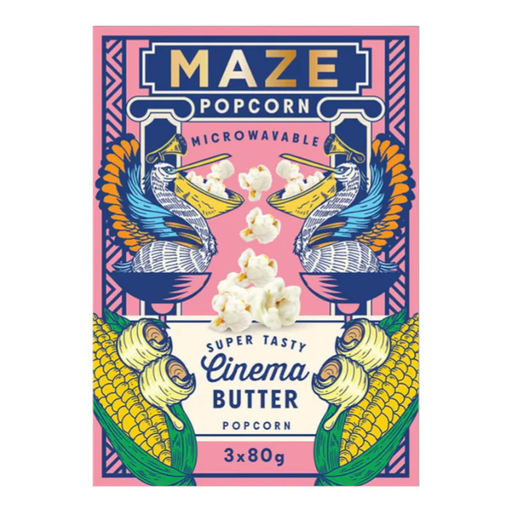
SNACK MAZE Popcorn Cinema Butter 240 g
A good choice if you’re looking for popcorn with a cinema-style butter flavour.
Joybuy
 No image available
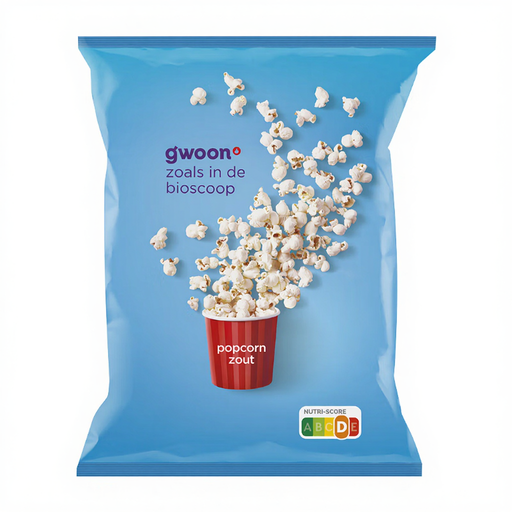
g'woon Salted Popcorn 100 g
A good choice if you’re looking for ready-to-eat salted popcorn.
The nutritional information lists 8.3 g of protein per 100 g and 1.5% salt. Check the current packaging for the nutritional values of this variety.
Joybuy
 No image available
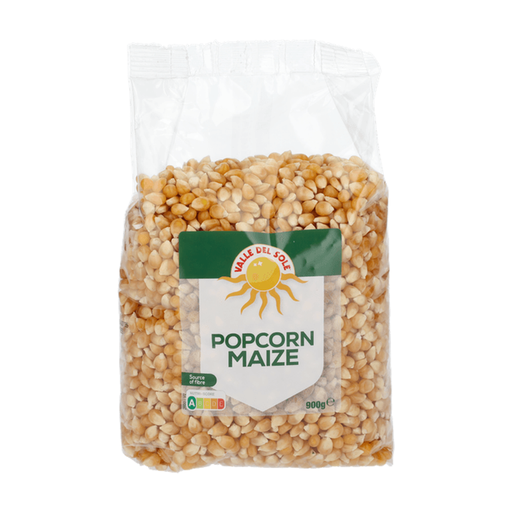
Valle Del Sole Popcorn Maize (Butterfly) 900 g
A good choice if you want to make popcorn kernels in a pan yourself.
The nutritional information lists 10 g of protein per 100 g. The preparation instructions call for a pan and 2 tablespoons of vegetable oil; take this addition into account when working out your serving.
Joybuy
Frequently asked questions
How do you compare protein per serving?
Multiply the protein per 100 g by the weight of your serving, then divide by 100. First check whether the nutrition table describes dry corn or prepared popcorn. Based on the values listed by Albert Heijn, a 25 g serving of dry corn provides 2.75 g of protein before any additions.
Does an organic label prove that popcorn is high in protein?
No. Organic labels and nutrition claims have separate requirements. The European Union explains that a nutrition claim must meet the relevant official definition. Check the specific packaging, and don’t infer a claim solely from an organic label or a figure per 100 g.
Do recreational athletes need special protein snacks?
According to the Netherlands Nutrition Centre, recreational athletes don’t need special protein products. Your overall diet and training load are relevant; if you need personal advice, speak to a sports dietitian.
What costs should you include when making your own popcorn?
Include the preparation ingredients you actually use, then compare the cost per serving of your chosen snack. Don’t directly compare dry corn with the same weight of ready-to-eat popcorn as if they were the same product form.
What should you check if you have a food allergy?
Read the ingredients list and warnings on the current packaging, and check toppings and other parts of your snack too. The Netherlands Food and Consumer Product Safety Authority explains how allergens that must be declared are clearly identified on labels.


