
Festival-goers who want to pop their own
You can prepare at home or have access to a suitable, permitted cooking area, and want to choose which flavourings to add.


Choose organic popcorn kernels if you can pop them in advance or prepare them in a suitable, permitted area, and want to choose your own toppings. If you don’t have access to suitable cooking facilities, ready-made popcorn is a better fit. Check the organic information and ingredients on the specific pack, though; popcorn isn’t automatically a complete breakfast.
You can prepare at home or have access to a suitable, permitted cooking area, and want to choose which flavourings to add.
You’re looking for popcorn you can take with you without cooking, and check the ingredients and storage instructions on the pack beforehand.
You prepare or sell food at an event and need to take food safety and allergen information into account. The NVWA requirements for selling food don’t automatically apply to visitors buying food just for themselves.
First, work out whether you can prepare it. Then check the organic labelling and ingredients of the variety you choose.
| What to consider | What should you check? | Who is this important for? |
|---|---|---|
| Organic certification | Check the organic label, control code and agricultural origin on the pack. The European Commission explains that the EU organic logo can only appear on certified organic products. The origin label doesn’t automatically mean the corn was grown locally. | If you want organic status to be a verified product characteristic, rather than just a natural-looking claim on the pack, this is the most important check for you. Around 31% of consumers give top priority to organic certification. |
| Preparation and use | Check whether you’re buying popcorn kernels that still need to be prepared or popcorn that’s already popped, and read the preparation and storage instructions. | If you can’t or aren’t allowed to cook at the festival, you’ll need a product that suits those restrictions. Around 31% of consumers prioritise practicality. |
| Ingredients and allergens | Read the ingredients and allergen warning for the specific variety. Don’t assume that organic means a product is allergen-free. | If you’re considering ingredient preferences, allergens or what to include in your breakfast, you’ll want to review the full product information. Around 23% of consumers put these considerations first. |
| Total requirements | Check the pack size. If you’re popping your own, factor in oil and any flavourings too. The weight of unpopped corn can’t be directly compared with the amount of popped popcorn. | If you want to know the total cost for the quantity you’re planning, look beyond the bag of corn itself. Around 15% of consumers give total costs top priority. |
Popcorn isn’t automatically a substitute for other breakfast foods. The Netherlands Nutrition Centre lists wholemeal bread, for example, as a breakfast staple. So consider popcorn as a snack or part of a meal.
A brand name or general description on its own doesn’t prove that the specific popcorn has been certified organic.
Check the organic label and details on the pack. Skal Biocontrole explains that businesses need an organic certificate to sell products as organic.
Dried popcorn kernels still need to be prepared. The preparation instructions from Albert Heijn that we consulted describe cooking them in a pan.
Decide in advance where and when you’ll be able to pop them. Remember to bring a pan, oil and any flavourings you need, or choose a ready-made product that fits your plans.
Organic labelling tells you about organic certification, not whether popcorn is suitable as a complete meal.
Plan your breakfast separately and consider popcorn as a snack or part of it, rather than an automatic substitute.
AH Biologisch Popcorn mais is an example of dried popcorn kernels for popping at home. The product information describes product-specific organic certification.
These Joybuy products are suitable options for taking popcorn to a festival. Check the pack of each variety for an organic label and control code; popcorn isn’t automatically organic.
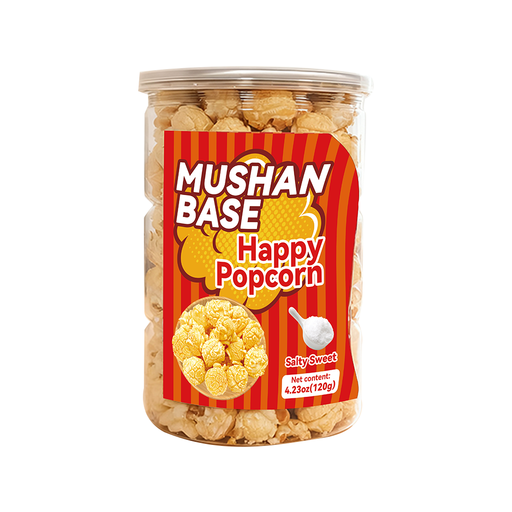 No image available
The product description says this ready-made popcorn can be eaten straight from the pack.
Flavour: sweet and salty. Pack size: 120 g.
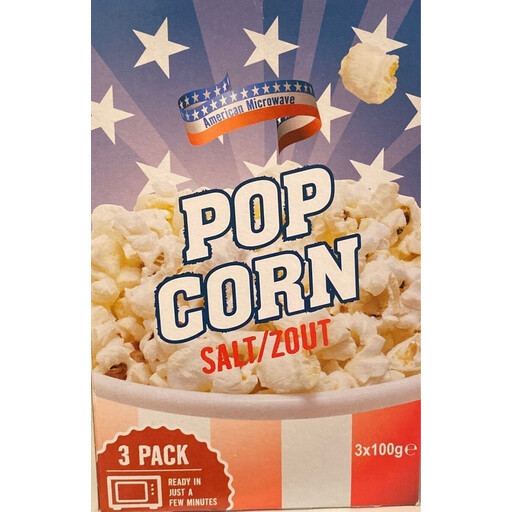 No image available
The product description says it can be prepared in a microwave. Choose this variety only if you have access to one.
Pack size: 3 bags of 100 g.
Check the organic label and control code on the pack. According to the European Commission, the EU organic logo can only be used on products certified as organic. The origin label shows whether the agricultural raw materials come from the EU, from outside the EU or from both.
Follow the instructions on the pack. The Albert Heijn instructions we consulted describe cooking the kernels in a pan with a lid and vegetable oil, and recommend storing them somewhere cool, dark and dry.
No, don’t assume they are. Read the allergen warning on the specific pack. For the variety we checked, Albert Heijn notes that it may contain cereals containing gluten, soya and wheat.
Not as a logo for the catering service itself. The European Commission excludes mass catering services from using the EU organic logo. So keep the label on a certified product separate from any claim about your overall service.
The NVWA requires food to be prepared, stored and sold safely and hygienically. According to the NVWA, a HACCP food safety plan is compulsory if you prepare and sell food more than once a year. For unpackaged products, you must tell customers about any relevant allergens.