What should you look for when buying?
First decide which quality matters most for your lunch; then compare labels and packaging on a like-for-like basis.
| What to consider |
What should you check? |
Who is this more important to? |
| Organic certification |
Check for the EU organic logo, the code of the inspection body and the country-of-origin indication. Organic doesn’t mean unroasted or unsalted. |
I want to check that the organic claim applies to my choice. Around 33% of consumers prioritise organic certification. |
| Ingredients and quantity |
Read the ingredients and check whether the nuts are unsalted. Compare the nutritional values per 100 grams and check the serving size shown on the pack. |
I want to know what’s in my lunch and choose a suitable amount myself. Around 27% of consumers focus mainly on ingredients and portioning. |
| Portioning and storage |
Check the pack size and storage instructions. Take a portion with you separately and seal the rest properly; the Netherlands Nutrition Centre advises storing nuts in a cool, dark, dry place. |
I want to be able to take a portion to the office quickly without leaving an opened bag lying around. Around 20% of consumers prioritise portioning and storage. |
| Packaging and consumption |
Match the pack size to how often you eat nuts. Compare the details of different packs carefully: varieties may differ in ingredients and inspection code. |
I don’t want to buy more than I expect to use. Around 20% of consumers choose mainly based on packaging and how much they actually use. |
Joybuy product options
This selection includes almonds, as well as seeds and linseed as related additions for a quick desk lunch. Seeds and linseed are seeds, not nuts. For organic certification and allergens, always check the information for the specific product.
 No image available
g'woon Almonds Raw & Unsalted, 200 g
The title describes raw, unsalted almonds, making them a good fit if you’re looking for almonds with no added salt for your lunch.
Size: 200 g. Contains almonds and is not suitable if you have an almond allergy.
View at Joybuy
 No image available
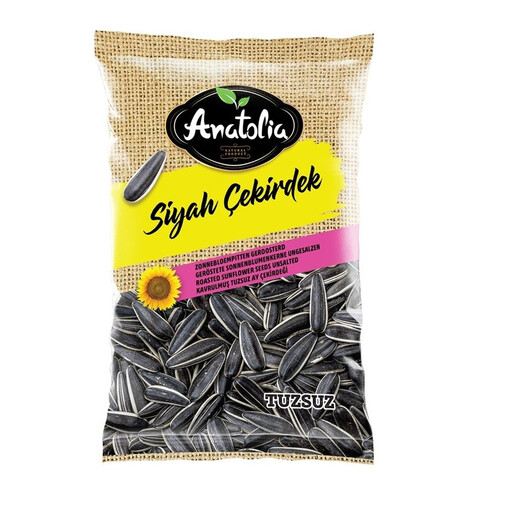
Anatolia Unsalted Sunflower Seeds, 140 g
These are sunflower seeds, not nuts; they may suit you if you’re looking for a seed option to have with your lunch as well as nuts.
The product information lists unsalted sunflower seeds in a 140 g pack. Pieces of shell may be present; the product information also lists nuts, peanuts and sesame as allergens.
View at Joybuy
 No image available
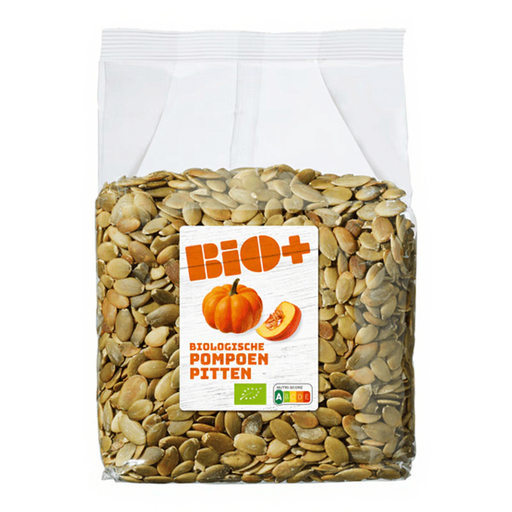
Bio+ Pumpkin Seeds, 500 g
These are pumpkin seeds, not nuts; consider them only if adding seeds to your lunch is what you’re looking for.
Size according to the product title: 500 g. Check the product packaging for the latest ingredients, allergen and storage information.
View at Joybuy
 No image available
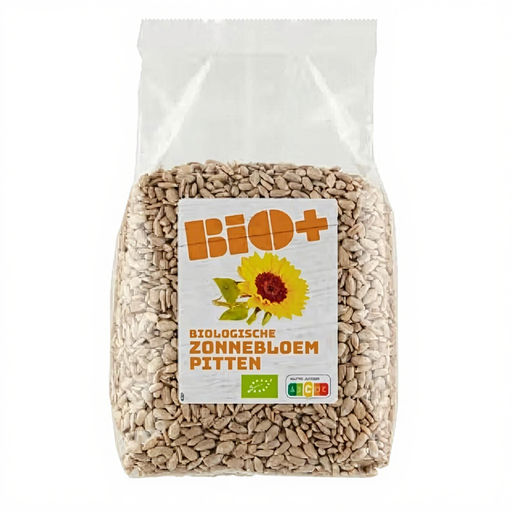
Bio+ Sunflower Seeds, 500 g
These are sunflower seeds, not nuts; a 500 g pack may suit you if you want to add seeds to dishes more often.
Size according to the product title: 500 g. Check the product packaging for the latest ingredients, allergen and storage information.
View at Joybuy
 No image available
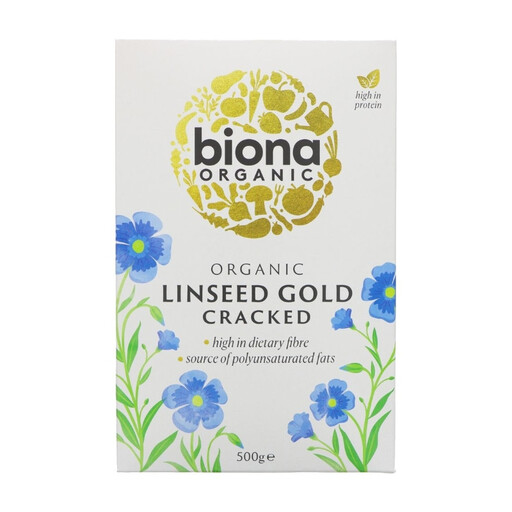
Bio+ Broken Linseed, 500 g
This is broken linseed, not a nut; it’s suitable only if you want to add a seed to, for example, yoghurt or a dish.
Size according to the product title: 500 g. Check the product packaging for the latest ingredients, allergen and storage information.
View at Joybuy
Frequently asked questions
Must every organic pack carry the EU organic logo?
No, it depends on the product and its origin. According to the European Commission, the logo is compulsory for pre-packed organic food produced in the EU; its use is optional for certain imported and unpackaged organic products. Also check the inspection code and the indication of agricultural origin.
Does organic mean unsalted?
No, these are different qualities. The EU organic logo relates to organic certification; check the product information on the packaging for the ingredients and salt content. The Netherlands Nutrition Centre includes unsalted nuts in its guidance on nuts.
How should I store an opened pack of nuts at the office?
Store nuts in a well-sealed container in a cool, dark, dry place, as advised by the Netherlands Nutrition Centre. For mixed, unsalted nuts, the Centre gives six months in a kitchen cupboard as general storage guidance; also follow the instructions on the product packaging.
What should I look for in the allergen information on nut mixes?
Check the ingredients and allergen information for the exact mix you want to buy. The Netherlands Food and Consumer Product Safety Authority says allergen information must appear on the label of pre-packed products; organic certification alone doesn’t tell you which allergens a product contains.
Are sunflower seeds and linseed nuts too?
No, sunflower seeds and linseed are seeds, not nuts. They may be suitable as additions in their own right, but they’re not a substitute for nuts if you’re specifically looking for nuts. Check the ingredients and allergen information for each product.


