
Parents who want to verify organic certification
You choose organic because of the certified production method. In that case, the EU organic logo and the inspection body’s details matter more than words such as ‘natural’ or green packaging.


If you specifically want organic tortilla chips as an after-school snack, choose a product whose certification you can check on the packaging by looking for the EU organic logo and the details of the inspection body. Organic certification alone doesn’t tell you whether a product is suitable as an everyday snack: also check the portion size, salt content and current allergen information. The Netherlands Nutrition Centre lists vegetables and fruit as options for a regular snack.
You choose organic because of the certified production method. In that case, the EU organic logo and the inspection body’s details matter more than words such as ‘natural’ or green packaging.
You’re choosing a snack for a child with an allergy or for a school where certain rules apply. You need the current ingredients list and allergen warnings for that exact bag.
You’re looking for something convenient after school, but you don’t want to judge chips on their organic credentials alone. Portion size and how chips fit in with other snacks also matter.
Start with the requirement that matters most to you: organic certification or suitable allergen information. Then compare the nutritional information and check whether the variety you want is available.
| What to consider | What to check when buying | Who should consider this? |
|---|---|---|
| Organic certification | For relevant prepacked organic products, look for the EU organic logo, the inspection body’s code and the origin indication for the agricultural ingredients. | If I specifically want to buy organic, the claim on the packaging must be verifiable. For around 36% of consumers, this certification is the deciding factor. |
| Allergens and school rules | Read the current ingredients list and warnings such as ‘may contain’; if necessary, ask about the school’s rules. | If a child needs to avoid certain ingredients, I don’t want to assume that all corn chips are the same. For around 29% of consumers, suitable allergen information is the deciding factor. |
| Role as a snack | Compare the nutritional information, including salt per 100 g, and decide what portion size and frequency are right for snack time. | If I’m offering a snack more often after school, I want to take portion size and other snacks into account. Around 21% of consumers put this consideration first. |
| Availability | Check whether the variety you want is available when you buy it, then assess that product’s packaging. | If I need chips for a planned snack time, I want to know whether the variety that meets my requirements is available. This is the first concern for around 14% of consumers. |
The EU organic logo relates to organic certification, not nutritional value or the right portion size for an after-school snack. For example, Albert Heijn lists 0.8 g of salt per 100 g for AH Biologisch Tortilla chips naturel.
Use the certification mark to check whether a product is organic. Also look at the nutritional information and consider how often you want to serve chips; the Netherlands Nutrition Centre also lists vegetables and fruit as snack options.
Ingredients and warnings vary by product. For its organic plain variety, Albert Heijn lists possible soya; the Doritos Naturel variety reviewed lists possible cereals containing gluten, soya and wheat, among other allergens.
Check the physical packaging of the variety you’re buying, even if you’ve bought a similar bag before. If the snack is for school, also check which rules apply there.
These product ranges show the differences that may matter when choosing organic products and reading labels. The features of one variety don’t automatically apply to every product from the same brand.
The organic plain variety and the regular plain variety reviewed have separate labels you can compare.
The Jumbo Tortilla Chips Naturel, 300 g, reviewed is a regular plain variety to assess by its ingredients and nutritional information.
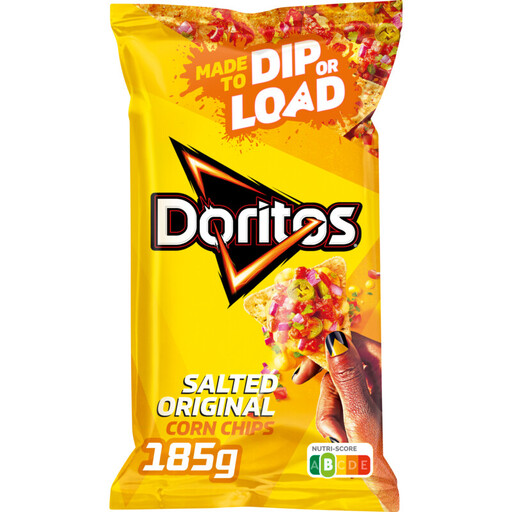
The Doritos Naturel Tortilla Nacho Chips, 185 g, reviewed is a branded option for anyone looking for tortilla chips to serve with a dip.
This selection includes tortilla and nacho chips to enjoy as a snack or serve with a dip. If organic certification is a must for you, check the EU organic logo and relevant label information on the bag you choose; also check the allergen information.
 No image available
For anyone who wants to serve tortilla chips with a dip and can take this variety’s allergen warning into account when choosing.
Joybuy’s product information states that this variety may contain cereals containing gluten, soya and wheat. Check the current packaging before serving, especially if the chips are going to school.
 No image available
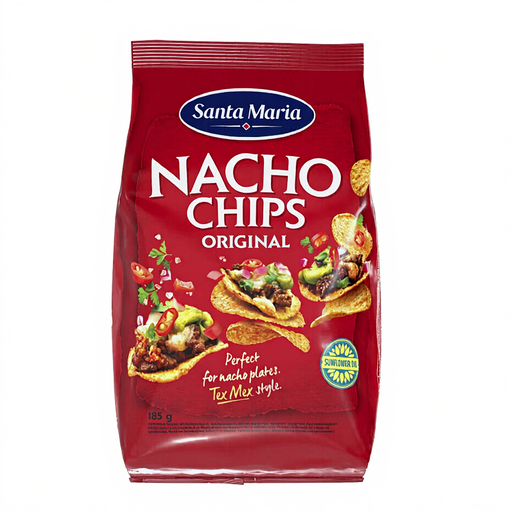
A bag of nacho chips for anyone looking for a snack to enjoy with a dip. Check the ingredients and allergens on the current packaging before choosing this variety for a child.
Contents: 185 g. If you prefer organic products, also look for the EU organic logo and the inspection body’s details on the packaging.
 No image available
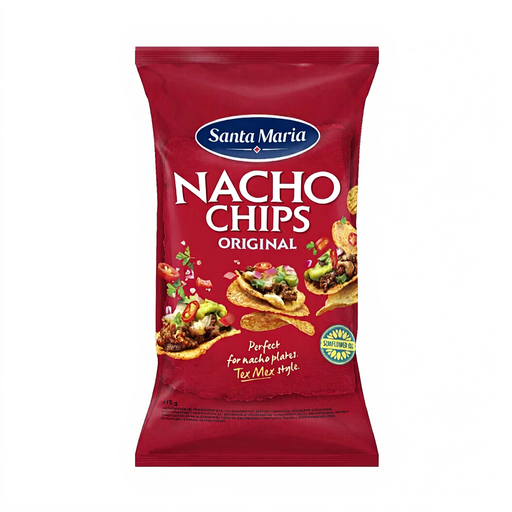
The larger bag may suit you if you want to share nacho chips; the pack size doesn’t determine how much you serve at each snack time.
Contents: 475 g. Before buying, check the current allergen information and, if organic certification is a requirement, the certification mark and relevant label details.
Look for the EU organic logo on the packaging. According to the European Commission, this logo may only be used on products certified as organic by a recognised control authority or inspection body. For relevant prepacked organic products, also check the inspection body’s code and the origin indication for the agricultural ingredients.
No. Organic certification doesn’t assess whether chips are right for the portion size and frequency you want to follow for a child. Compare the nutritional information on the bag you choose; the Netherlands Nutrition Centre lists vegetables and fruit, among other options, as snacks.
No. A maize base doesn’t tell you enough about the allergens in every variety. The organic plain variety from Albert Heijn reviewed is labelled gluten-free but lists possible soya; the Doritos Naturel variety reviewed lists possible cereals containing gluten, gluten, soya and wheat. So always read the current packaging for the specific product.
Seal the bag well after use and store the chips in a cool, dry place. Also follow any storage instructions on the packaging of the variety you’ve bought.