
Shoppers on a tight budget
You want toast that is certified organic and compare packs with the same organic status and a similar intended use.


If organic is a must for you, choose toast bearing the European organic logo and compare packs with the same organic status and a similar intended use. Organic Melba toast is not automatically a substitute for everyday bread: also check whether it is labelled wholemeal, read the nutritional information and allergen details, and consider your sources of iodine if you eat a lot of organic bread.
You want toast that is certified organic and compare packs with the same organic status and a similar intended use.
You often have toast for breakfast or lunch and want to know how its wholemeal status, fibre and salt content fit with the way you eat it. The Netherlands Nutrition Centre advises replacing white bread with wholemeal or brown bread as much as possible.
You check the packaging before buying sesame Melba toast. The organic varieties described from AH Biologisch and Van der Meulen contain wheat, sesame and soya; the Van der Meulen variety also states that it may contain milk.
First decide whether organic is a must-have. Then check whether the pack size and nutritional information suit how often you plan to eat the toast.
| What to consider | What to check | Who it matters to |
|---|---|---|
| Organic origin | Look for the European organic logo and inspection code on the packaging. | If organic is a must for me, I want to be able to identify this from the product itself. For around 36% of consumers, that reassurance comes first. |
| Pack size | Compare the net weight of products with the same organic status and a similar intended use. | I want to choose a pack whose contents I’ll actually use. For around 36% of consumers, this is the most important consideration when shopping on a budget. |
| Everyday use | Check whether it is labelled wholemeal, its fibre and salt per 100 g, and the allergen statement. | If toast is often my choice instead of bread, I want to know what it contains and whether it suits my household. Around 28% of consumers prioritise how suitable it is for everyday use. |
Packs with different net weights are not directly comparable. Conventional Melba toast also does not meet the same organic requirement as a certified variety.
First compare products with the same organic status, then consider the net weight and intended use.
The organic logo relates to how a product is produced. On its own, it tells you nothing about whether toast is wholemeal, or about its fibre or salt content.
Check whether it is labelled wholemeal and compare the nutritional information per 100 g if you regularly choose toast instead of bread.
According to the Netherlands Nutrition Centre, organic bread is usually made with non-iodised salt. So don’t assume that a product is a source of iodine just because it is labelled organic.
If you eat a lot of organic bread, consider what other sources of iodine are part of your diet and check the information on the packaging where possible.
The organic sesame Melba toasts described contain wheat, sesame and soya. The Van der Meulen variety may also contain milk.
Check the latest allergen statement every time you buy, even if you already know the product name.
Albert Heijn offers 100 g organic Melba toast with sesame seeds in this range.
Van der Meulen has 100 g organic Melba Toast Sesame in the Jumbo range described.
Lidl lists Tastino Bio crackers as a crunchy alternative if you don’t need the Melba toast shape.
ALDI describes Sun Snacks Melba Toast Naturel as conventional Melba toast.
These crackers and lentil wafers are for anyone looking for a crunchy alternative to Melba toast. If organic is a must for you, check the logo on the packaging of the variety you choose.
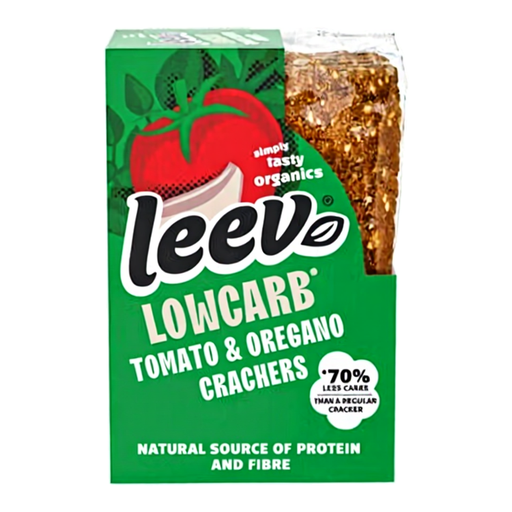 Image unavailable
An option if you’re looking for tomato and oregano crackers instead of Melba toast.
The product listing mentions lupin, egg, milk, sesame and wheat. Check the latest allergen label and, if organic is a requirement, look for the logo on the packaging.
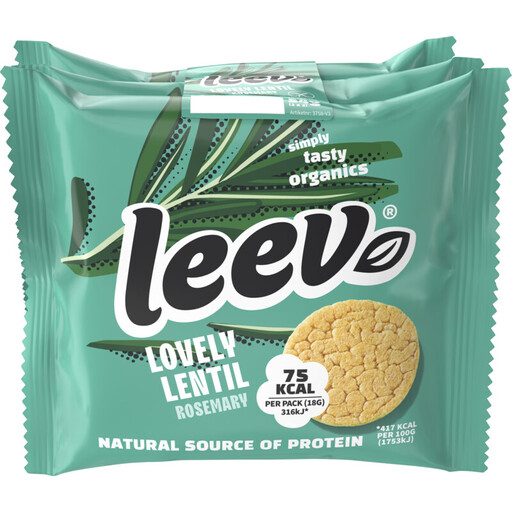 Image unavailable
An alternative if you fancy a crunchy lentil wafer with rosemary and don’t specifically need Melba toast.
The product listing names milk and soya as allergens. Read the latest label and check for the organic logo on the packaging if that’s a requirement for you.
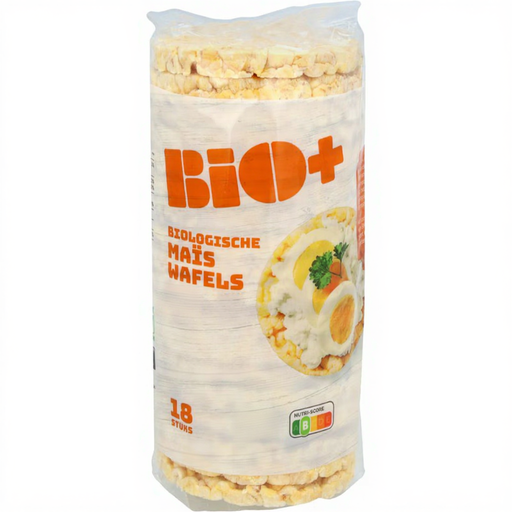 Image unavailable
An option if sea salt corn crackers will do instead of Melba toast.
The product listing mentions possible traces of soya. Check the latest label, nutritional information and organic logo on the packaging.
Look for the European organic logo on the packaging. Skal Biocontrole says this logo identifies a product as organic; also check the inspection code on the toast you choose.
No, the organic logo doesn’t tell you whether toast is wholemeal. Look for a wholemeal label and read the nutritional information per 100 g if you want to compare different varieties.
Look beyond the organic logo and consider the role bread and toast play in your overall diet. The Netherlands Nutrition Centre says that organic bread is usually baked with non-iodised salt, so don’t assume toast is a source of iodine without checking.
Only after checking the label on the specific variety. The AH Biologisch toast described contains wheat, sesame and soya, among other ingredients; the Van der Meulen toast described contains these allergens too and may also contain milk.