
Shoppers who check for certification
You want to eat organic nuts while studying and look for clear certification details, not just natural-looking packaging.


Choose organic nuts by checking both the certification details and the ingredients. Unsalted nuts make a straightforward snack, while a mix with fruit and seeds is a different option for breakfast. Check the allergen information too, and choose a pack you can reseal properly and use in good time.
You want to eat organic nuts while studying and look for clear certification details, not just natural-looking packaging.
You want unsalted nuts with a clear ingredients list and packaging you can reseal properly after use.
You may want to use the same product as a snack and at breakfast, but distinguish between plain nuts and a mix with fruit and seeds.
A good choice if: you want one recognisable type of nut, such as unroasted, unsalted almonds or walnuts.
Bear in mind: there’s no variety within the pack; also read the warnings about the possible presence of other allergens.
A good choice if: you want several types of nuts in one pack. Albert Heijn lists Brazil nuts, cashews, almonds and walnuts in its organic mix; PLUS describes an unroasted, unsalted mix of five types.
Bear in mind: the proportions are fixed, so check the full ingredients list.
A good choice if: you want to add dried fruit and seeds to yoghurt, for example. Albert Heijn lists dates, figs, sunflower seeds, pumpkin seeds and almonds in this version.
Bear in mind: the version reviewed contains 15% almonds, so it isn’t a plain nut mix. Albert Heijn lists 25 g of total sugars per 100 g and an average of 0 g of added sugars.
For organic products, check the EU organic logo, the associated control code and the agricultural origin. The European Commission describes the logo as identifying products certified as organic by an authorised control body. Certification, ingredients and allergen information each answer a different question.
| What to consider | What to look for | Who is this most important to? |
|---|---|---|
| Organic certification | Check the EU organic logo, the control code and the agricultural origin. The agricultural origin is different from the place where a product is packed. | If I’m buying organic, I want to be able to find the certification details on the packaging; around 31% of consumers prioritise verifiable certification. |
| Simple ingredients | Read the ingredients, check whether the nuts are unsalted and look at how they have been prepared. The Netherlands Nutrition Centre recommends unroasted or lightly roasted nuts. | For a study snack, I’m looking for simple, unsalted ingredients; around 25% of consumers prioritise this. |
| Using them at breakfast | Check the proportion of nuts and see which seeds, fruits or other ingredients have been added. Compare total sugars with added sugars. | If I’m looking for something to have at breakfast, I want to know whether I’m buying plain nuts or a fruit and seed mix; around 19% of consumers prioritise breakfast use. |
| Packaging and storage | Choose a net weight that suits how you’ll use the product. Check whether you can reseal the pack properly after opening, and follow the storage instructions on the label. | I want a quantity I can use and store properly; around 13% of consumers give packaging and stock management top priority. |
| Allergen information | Read both the ingredients and any warnings about the possible presence of other allergens. An organic label does not, by itself, tell you anything about allergens. | If I’m avoiding allergens, I check the full ingredients and allergen information; around 12% of consumers prioritise this. |
Certification and allergen information answer different questions. Even single-variety nuts may carry a warning about the possible presence of other allergens.
Read the full allergen statement on the packaging before choosing.
A product with ‘nut mix’ in its name may also contain dried fruit and seeds. The AH Date & Nut Mix reviewed contains 15% almonds.
Choose based on the full ingredients list and how you plan to use it.
Nuts should be kept dry and in a tightly sealed container. According to the Netherlands Nutrition Centre, a rancid or chewy texture, or mould, may indicate a loss of quality or spoilage.
Choose an amount that suits your needs and reseal the pack properly after each use.
Any stock you don’t use in time may end up being thrown away.
The agricultural origin shown alongside the EU organic logo doesn’t automatically tell you where the product was packed.
Check the agricultural origin next to the logo separately from other origin details.
The organic options mentioned include loose almonds, a plain nut mix and a mix with dates and seeds.
The organic product reviewed is a 110 g pack of unroasted, unsalted walnuts.
PLUS describes an unroasted, unsalted organic nut mix made with five types of nuts.
This selection includes peanuts, an unsalted nut mix and a nut bar. The product names alone do not confirm organic certification; check the certification details on the packaging if organic certification is essential to your choice.
 No image available
A good choice if you’re looking for an unsalted peanut snack; peanuts are a different product category from tree nuts.
The product name states that these are unsalted and weigh 250 g. Check the allergen information: this version contains peanuts and may contain cashews.
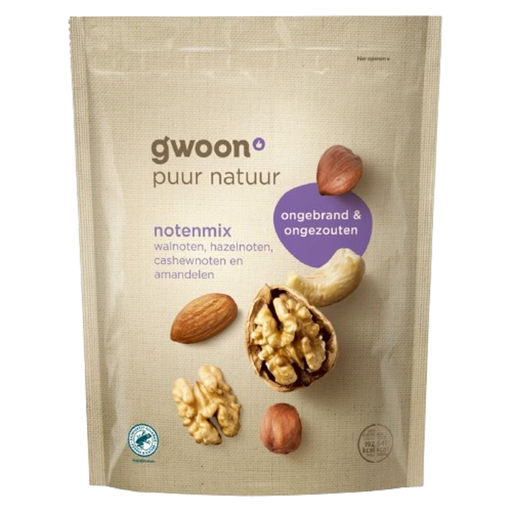 No image available
A good choice if you’re looking for a snack with several types of nuts rather than just one.
The product name states that this mix is raw, unsalted and weighs 200 g. Check the allergen information: this version contains nuts and may contain traces of peanuts.
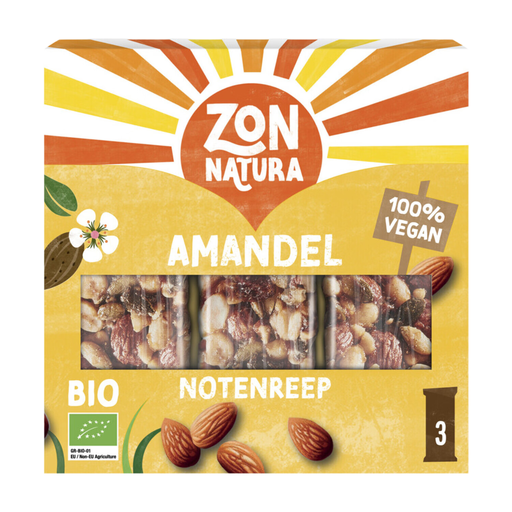 No image available
The bar format suits anyone looking for a nut snack to enjoy at home or on the go; a nut bar is different from a pack of plain nuts.
The product name includes ‘Organic’; check the packaging for certification details if organic certification is a must for you. Read the allergen information too: this version contains nuts, peanuts and sesame seeds.
Not in every case. According to the European Commission, the EU organic logo is compulsory on prepacked organic foods produced and sold as organic within the EU; its use may be optional for imported or unpackaged organic products. When the logo is used, it should also be accompanied by a control code and the agricultural origin.
No. Skal Biocontrole states that processed organic products must contain at least 95% organic agricultural ingredients; additional conditions apply to the other permitted ingredients. Salt and water are not included in that agricultural calculation.
Keep nuts tightly sealed and dry, preferably somewhere cool, and follow the advice on the packaging too. The Netherlands Nutrition Centre’s storage guide recommends keeping mixed unsalted nuts for six months in a kitchen cupboard or one year in the freezer. These timeframes are not a guarantee for every mix containing fruit or other additions.
No. On the AH packs reviewed, 25 g is a stated product portion, not a specific recommendation for when you’re studying. The Netherlands Nutrition Centre recommends eating a handful of unsalted nuts every day.
You can’t tell from the name alone. The organic walnuts from Jumbo that were reviewed warn of the possible presence of other nuts, peanuts and sesame. Read the full allergen information; the NVWA explains the rules for allergen declarations on food labels.