What should you look for in organic nuts for Halloween and breakfast?
Start with the label on the exact pack. Then decide whether the type, ingredients and quantity are right for the party and any breakfast use.
The percentages below relate to consumers considering nuts for a Halloween party in the Netherlands, with breakfast as an additional use.
| What to consider |
What should you check? |
Who is this important for? |
| Organic labelling |
Check the label on the exact pack. For pre-packed foods produced in the EU and sold as organic, the European Commission specifies the EU organic logo, the control code and the indication of agricultural origin. |
I want to check that the organic label applies to the product itself, not just the shop’s range. This is the top priority for around 27% of consumers. |
| Ingredients suitable for breakfast |
Check whether the product is unsalted, unroasted and organic separately. Read the ingredients list too, and choose between loose nuts and something like muesli with nuts. |
If I want to use my purchase for breakfast too, I look for the qualities and product type that suit that purpose. Around 27% of consumers prioritise ingredients suitable for breakfast. |
| Suitable for your guests |
Check nuts and peanuts separately in the allergen information, and look out for warnings about possible traces. Also consider whether whole nuts are suitable for the guests who’ll be eating them. |
When children or guests with food allergies are joining us, I want to know in advance what’s in the pack and what texture I’ll be serving. This is the top priority for around 20% of consumers. |
| Type or mix |
Choose between one recognisable type of nut and a mix. Treat a label such as ‘unroasted’ as a separate selection criterion; don’t assume this quality from the word ‘organic’. |
I want a specific type of nut or a bit of variety on the snack table. This is the top priority for around 13% of consumers. |
| Quantity and what to do with leftovers |
Compare the net weight with how much you want to serve and use later. Follow the storage instructions on the pack you choose. |
If I want to avoid leftovers, I match the quantity to the party and how I’ll use them afterwards. Around 13% of consumers prioritise quantity and what to do with leftovers. |
Joybuy products for breakfast or a snack
These Joybuy products contain nuts and are suitable for breakfast or a snack; they are not packs of loose nuts.
 No image available
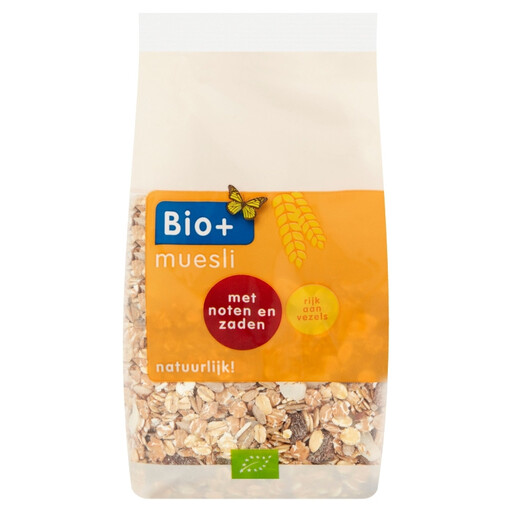
Bio+ B+ Muesli Nuts and Seeds, 450 g
A handy breakfast option if you’re looking for muesli with nuts and seeds as well as loose nuts; this is not a pack of loose nuts.
The product description says it contains ingredients of organic origin and can be eaten for breakfast or as a snack.
The ingredients list states that it contains 3.5% hazelnuts, 3.5% almonds and 1.5% walnuts, as well as seeds.
The product description lists milk, peanuts and soya, along with various nuts, as allergens; check the pack before serving.
View on Joybuy
 No image available
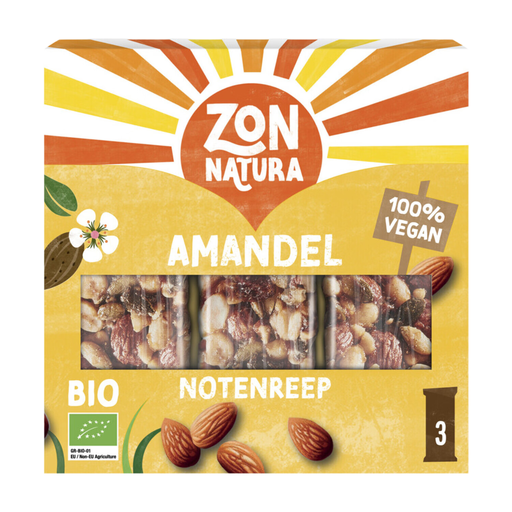
Zonnatura Organic Nut Mix Bar, 75 g
A nut mix bar for a snack; the product description says it’s suitable for eating on the go or at home.
The product description lists peanuts, almonds, pumpkin seeds and raisins.
The product description lists nuts, almonds, peanuts and sesame as allergens; check the pack before serving.
View on Joybuy
Frequently asked questions about organic nuts for Halloween and breakfast
Do organic nuts in the Netherlands have to carry the green EU leaf logo?
The EU logo is compulsory for pre-packed foods produced in the EU and sold as organic. The European Commission also specifies the control code and the indication of agricultural origin. Don’t assume this requirement applies in the same way to every other sales format or product origin.
Does ‘natural’ mean the same as ‘organic’?
No. ‘Natural’ does not, on its own, prove that a product is organic. The Netherlands Enterprise Agency explains that ‘organic’, ‘bio’ and ‘eko’ are protected terms that cannot be used for a non-organic product.
What allergen information must appear on a pre-packed bag of nuts?
According to the Netherlands Food and Consumer Product Safety Authority, allergen information must appear on the label of pre-packed products. Check tree nuts and peanuts separately, and read any product-specific warnings about possible traces too.
Can I put whole nuts on a snack table for young children?
The Netherlands Nutrition Centre warns that young children can choke on whole nuts and peanuts. Make sure a young child sits calmly while eating, stay nearby and consider whether the texture is suitable. An organic label does not change these considerations.
How should I store leftover nuts after the party?
Follow the storage instructions and use-by or best-before information on your own pack. A Jumbo listing for hazelnuts recommends storing them in a cool, dry, dark place and says to check the side of the pack for the best-before date. This information applies to that product only and is not a general storage period for other products.


