What should you look for in organic nuts for breakfast?
One type of organic nut
Choose this option: if you want a straightforward ingredients list and to rotate different types yourself.
Bear in mind: there is less variety in one pack; also check the full allergen information.
Plain organic nut mix
Choose this option: if you want several types of nuts in one pack. The mix described by Albert Heijn includes Brazil nuts, cashews, almonds and walnuts.
Bear in mind: the proportions are fixed, and the mix contains several types of nuts. This particular mix contains 30% Brazil nuts; the Netherlands Nutrition Centre recommends varying your choice with other nuts.
Nut mix with dried fruit
Choose this option: if you specifically want to add dried fruit to breakfast and take the nutritional values of the whole mix into account.
Bear in mind: AH Organic Date & Nut Mix contains 36 g of carbohydrates and 25 g of sugars per 100 g, despite averaging 0 g of added sugars per 100 g; Albert Heijn lists these values on the product page.
The percentages below relate to consumers considering organic nuts for breakfast when they have diabetes.
| Shopping concern |
What to look for |
Who should pay particular attention? |
| Carbohydrates and added ingredients |
Compare the total carbohydrates and ingredients, and base your calculations on the amount you actually eat. |
If you want to know what nuts or dried fruit add to your breakfast, it helps to compare the label with your portion. Around 31% of consumers put carbohydrates and added ingredients first. |
| Organic certification |
Check for the EU organic logo, the control code and the stated agricultural origin. |
If organic is a deciding factor for you, you’ll want to be able to identify the certification on the packaging. Around 25% of consumers put verifiable organic production at the top of their priorities. |
| A suitable breakfast portion |
Consider the amount alongside the nutritional values and the rest of your breakfast; the portion shown on a label is not a personal recommendation. |
If you eat nuts regularly, weighing out a set amount can help you put together your breakfast in the same way each time. Around 19% of consumers put portion control at the top of their list. |
| Allergens and types of nuts |
Read the information about allergens present and possible cross-contamination, and check which nuts the mix contains. |
If an allergy or a particular type of nut determines your choice, the full ingredients and allergen information matters more than the product name. Around 13% of consumers give individual product safety the highest priority. |
| Packaging and storage |
Choose a quantity that suits how you use the product and follow the storage instructions on the packaging. |
If you regularly use a pack for breakfast, you’ll want to finish its contents within the stated storage conditions. Around 12% of consumers put suitable packaging and storage first. |
Nut options at Joybuy
This Joybuy selection includes nut products to assess based on their ingredients and intended use. For each pack, check whether the organic certification meets your requirements, and review the nutritional values, allergens and storage instructions.
 No image available
g'woon unsalted peanuts, 250 g
An option if you want to include peanuts in a meal; the product information also lists sunflower oil and possible cashew nuts, so check the ingredients and allergens on the packaging.
View at Joybuy
 No image available
g'woon roasted unsalted cashews, 200 g
Suitable if you’re looking for one type of nut rather than a mix; the product information lists cashews as an ingredient, so check the allergen information on the packaging.
View at Joybuy
 No image available
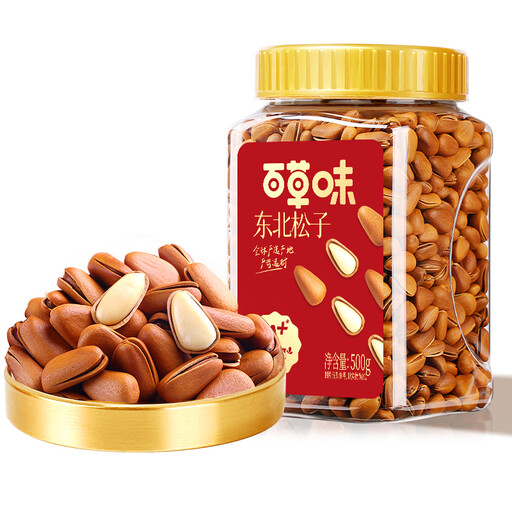
BE&CHEERY pine nuts, 500 g
An option if you want to add pine nuts to a dish; the product information also lists palm oil and says to consume the product immediately after opening.
View at Joybuy
 No image available
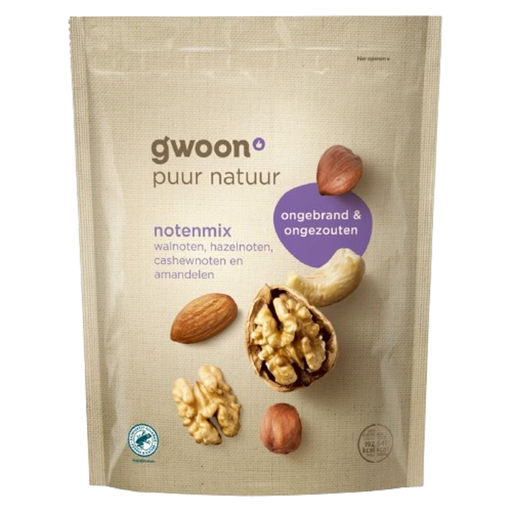
g'woon raw unsalted nut mix, 200 g
Worth considering if you’re looking for different types of nuts in one product: the mix listed contains hazelnuts, walnuts, almonds and cashews, and may contain traces of peanuts.
View at Joybuy
 No image available
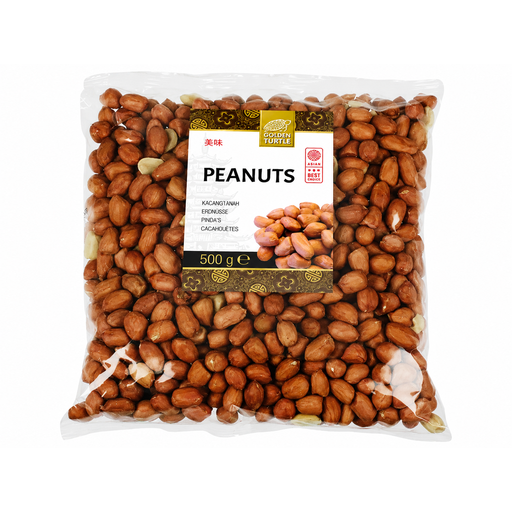
Golden Turtle unroasted peanuts in their skins, 500 g
An option if you want to use peanuts as a snack or in a dish; the product description suggests roasting them and adding them to dishes.
View at Joybuy
Frequently asked questions
How can you identify an organically certified product?
Check the organic claim and, if the EU organic logo is used, the control code and stated agricultural origin. According to the European Commission, the logo is linked to certification by an authorised control body. The logo is mandatory on pre-packed products produced in the EU and sold as organic; the relevant conditions apply to imported products.
Does ‘no added sugars’ mean I don’t need to count the carbohydrates?
No. Also check the total carbohydrates on the label and consider the amount you eat. The organic date and nut mix described by Albert Heijn contains an average of 0 g of added sugars, but also 36 g of carbohydrates and 25 g of total sugars per 100 g.
What should I look out for if I’m allergic to nuts or peanuts?
Read both the ingredients list and any warnings about possible cross-contamination. The Netherlands Food and Consumer Product Safety Authority outlines the mandatory allergen labelling; a product name or organic claim is no substitute for this information.
Can you eat Brazil nuts every day without limits?
No, don’t assume you can eat them without limits. The Netherlands Nutrition Centre reports that a handful of Brazil nuts can provide more selenium than the tolerable upper intake level, and recommends varying your choice with other unsalted nuts. This does not provide a universally safe amount for every product or person.
Can I adjust my insulin if my breakfast changes?
If you use fast-acting insulin, the amount of carbohydrates may be relevant to your dose; discuss any changes with your dietitian or care team. Information from Wilhelmina Hospital Assen recommends speaking to a dietitian to learn how to count carbohydrates. This shopping information is not personal dosing advice.


