
Protein-conscious breakfast makers
You want to know what a measured amount adds to your breakfast, so you compare the protein and energy values on the pack.


For a protein-conscious breakfast, you can choose organic unsalted nuts, then compare the protein and energy values on the exact pack. Based on product information from Albert Heijn and PLUS, a 25 g serving of the 400 g AH variant provides 6.5 g of protein and around 153 kcal; the same serving of the 150 g PLUS variant provides around 5.3 g of protein and 149 kcal. Organic certification, nutritional values and portion size are therefore separate things to consider. Here, 25 g is an example for comparison, not personalised dietary advice.
You want to know what a measured amount adds to your breakfast, so you compare the protein and energy values on the pack.
You’re looking for nuts with recognisable organic certification and want to distinguish this from a natural appearance and the ingredients list.
You eat nuts regularly and want a pack that suits your usage and can be stored properly once opened.
First, compare the nutritional values for the amount you actually plan to use. Then check the organic labelling, ingredients, packaging and any allergen information.
| What to consider | What should you check? | Who might this matter most to? |
|---|---|---|
| Protein and energy per serving | Check the values per 100 g and calculate them for the same weighed serving size. | If you want to compare the protein in your breakfast without losing sight of its energy content, this is the deciding factor for around 29% of consumers. |
| Organic certification | Check the organic labelling, the EU organic logo where applicable, the control code and the agricultural origin. | Anyone who prioritises verifiable organic certification is looking for more than just a natural appearance; this is the deciding purchase consideration for around 29% of consumers. |
| Ingredients and how you’ll use them | Read the ingredients list and decide whether you’re looking for whole nuts, roasted nuts or nut butter. | If you’re mainly looking for a breakfast product with the ingredients and format you prefer, this is the top priority for around 18% of consumers. |
| Packaging and storage | Compare the net weight with how much you use, and after opening store the nuts in a cool, dark, dry place in a tightly sealed container. | If you want to avoid buying more than you can use in practice, choosing the right pack size is the main consideration for around 12% of consumers. |
| Allergens | Check the ingredients and warnings on the current packaging, including information about possible cross-contamination. | For consumers whose product choice is determined by a relevant allergy, allergen information is the deciding factor for around 12%. |
The serving calculations above use 25 g to compare products on the same basis. Treat this weight as an example for comparison and choose a portion that suits your breakfast. The Voedingscentrum recommends unsalted nuts as a suitable choice; roasted nuts don’t need to be ruled out just because of how they’re prepared.
The organic almonds from Albert Heijn included in this comparison list different protein values per 100 g for the 150 g and 400 g variants.
Check the exact variant and calculate your serving using the nutritional information on that pack.
A product description or preparation method is not the same as organic certification.
Check the organic logo and related label information separately from the ingredients and preparation method.
For the same variant, increasing the amount of nuts also increases the protein and energy you get from them.
Weigh the amount you use and compare protein and energy for the same serving size.
Once opened, nuts need to be kept in a cool, dark, dry place in a tightly sealed pack or container.
Choose a size that suits how much you use and follow the storage instructions on the pack.
The organic almonds included in this comparison are available in different pack sizes.
The organic almonds with skins included in this comparison come in a 150 g pack.
Jumbo Organic Unroasted Almonds, included in this comparison, are available in a 175 g pack.
Duyvis Unsalted Peanuts, included in this comparison, may be worth considering if you’re looking for unsalted peanuts or a roasted flavour.
Alesto includes various types of nuts and snack products.
ALDI’s product range information includes a protein nut mix and unsalted nut variants under TRADER JOE’S.
These organic nut bar options are for anyone looking for a nut-based snack as well as breakfast; they’re not loose nuts to add to a breakfast bowl.
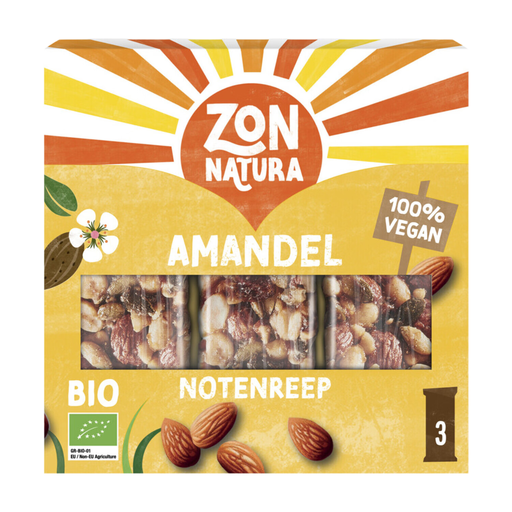 No image available
Suited to anyone looking for an organic nut bar as a snack; the title states that the pack weighs 75 g.
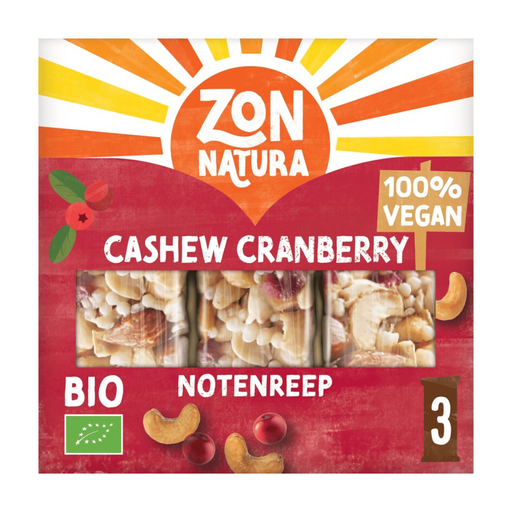 No image available
Suited to anyone looking for an organic cashew and cranberry nut bar as a snack; the title states that the pack contains three bars.
Check the organic labelling, the control code and the stated agricultural origin. According to the European Commission, the EU organic logo is compulsory for pre-packed foods produced in the EU and sold as organic; different rules may apply in other situations, such as for certain imported products.
No. Organic certification and nutrition claims are separate matters. A nutrition claim may only be used if the relevant European requirements are met; for your breakfast, also compare the protein and energy values for the amount you actually use.
No. The Voedingscentrum focuses on unsalted nuts and includes both roasted and unroasted varieties. If you choose a roasted variety, check the ingredients and organic labelling on that specific product.
Store nuts in a cool, dark, dry place in a tightly sealed container and follow the product instructions. A rancid smell or taste, a chewy texture or mould can indicate a loss of quality or spoilage; don’t assume there’s one fixed storage period for all types of nuts.
Any allergens present must be clearly listed. Since 1 January 2026, the Netherlands has also had rules for warnings about unintended presence due to cross-contamination. The NVWA gives examples such as ‘May contain X’ and ‘Not suitable for people with an X allergy’; if you have a relevant allergy, always check the current packaging.