
Gym-goers keeping an eye on protein
You want to know how much protein a regular portion of nuts provides after a workout. Consider this alongside your other meals and sources of protein.


Choose a product that is demonstrably certified organic by checking the certification mark, ingredients and preparation method: organic does not automatically mean unsalted or unroasted. If protein matters to you after exercise, check the nutritional information for your own portion and your overall meal. The Netherlands Nutrition Centre recommends using everyday foods and combinations of foods as a starting point, so a small portion of nuts does not have to make up your entire meal.
You want to know how much protein a regular portion of nuts provides after a workout. Consider this alongside your other meals and sources of protein.
You’re looking for a product that is demonstrably organic, while also wanting to choose between options such as unsalted and unroasted. Check the certification mark, ingredients and preparation method.
You enjoy nuts as part of breakfast and are choosing between plain nuts and a mix with ingredients such as dried fruit and seeds. Look at the whole breakfast, not just the organic label.
First decide what matters most to you: how the nuts contribute to your meal, organic labelling, portion size or how you’ll use them at breakfast.
| What to consider | What to look for | Who might find this useful? |
|---|---|---|
| Protein in your portion | Compare the nutritional information per 100 g and work out how much that means for the amount you eat. Also consider the other sources of protein in your meal. | If I want to know what my portion of nuts adds to my meal after exercise, I look at both the portion and the rest of my diet. Around 31% of consumers say protein content is their top priority. |
| Organic certification | Check the EU organic logo and the control code on the exact pack. Also look at the ingredients and preparation method. | If I want to buy organic, I want to be able to recognise the certification details on the pack and assess them separately from the salt content or preparation method. Around 25% of consumers say organic certification is their top priority. |
| Portion size and storage | Check the energy content per 100 g and work out how much that means for your portion. Follow the storage instructions on the pack and reseal it properly after use. | If I regularly have nuts as a snack, I want to be able to choose my own portion and store the pack properly. Around 25% of consumers say portion control is their top priority. |
| Nuts or a breakfast mix | Read the ingredient percentages and nutritional information. Check how much of the product is made up of nuts and what else is in your breakfast. | If I want to add something to my breakfast after a morning workout, it matters whether I choose plain nuts or a mix with fruit and seeds. Around 19% of consumers say using nuts as a breakfast topping is their top priority. |
A portion of nuts provides protein, but the amount in your own portion is what matters. The Netherlands Nutrition Centre recommends considering whether your overall diet provides enough protein after intense exercise.
Work out the nutritional value of your portion, then check whether your meal includes other foods, such as yoghurt, quark or tofu.
Organic certification alone does not tell you how a product was prepared or what ingredients have been added. For example, Albert Heijn says that the organic cashews in question are unsalted, but also that they have been fried in oil.
Check the certification mark, ingredients list and preparation method separately.
Albert Heijn’s organic date and nut mix also contains seeds and dried fruit; almonds make up 15% of the ingredients. So the nutritional value and composition of a mix like this differ from those of plain nuts.
Read the ingredient percentages and choose based on what you want to add to your snack or breakfast.
The Netherlands Nutrition Centre lists rancidity, a chewy texture and mould as signs that mixed unsalted nuts are no longer good to eat.
Reseal the pack after use and follow the storage advice on the label.
The details below apply to the specific products listed and are not an assessment of each brand’s full range.
The organic products reviewed range from plain cashews to an unroasted date, nut and seed mix intended for breakfast.
The product information for Jumbo Organic Unroasted Walnuts 110 g describes a product for anyone who wants to enjoy walnuts as a snack or add them to breakfast.
Biological PLUS Walnuts Shelled Organic is a product made with walnuts, suitable for snacking or breakfast.
These products suit the kinds of nut and snack choices you might make after exercise. If organic certification is a requirement for your purchase, check the EU organic logo and control code on the exact pack you choose.
 Image unavailable
A good choice if you’re looking for unsalted peanuts as a snack; check the pack for organic labelling if that’s a requirement for you.
The product description lists 99% peanuts and 27 g of protein per 100 g. The product may contain traces of cashews.
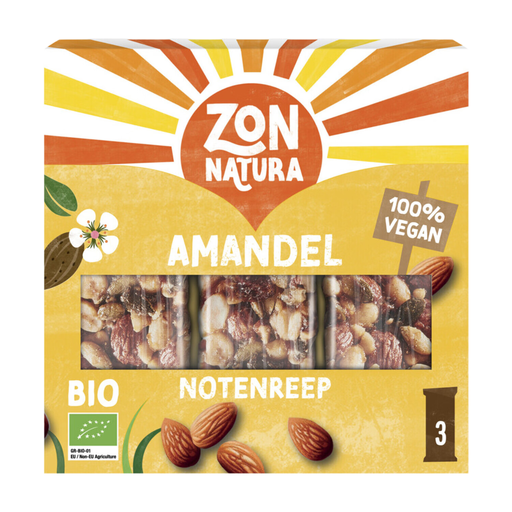 Image unavailable
A ready-to-eat nut bar for anyone looking for a snack at home or on the go. If organic certification is a requirement, check the details on the exact pack.
The product description lists 38% peanuts, 16% almonds, 13% pumpkin seeds and 21 g of protein per 100 g. It also mentions possible traces of other nuts and sesame seeds.
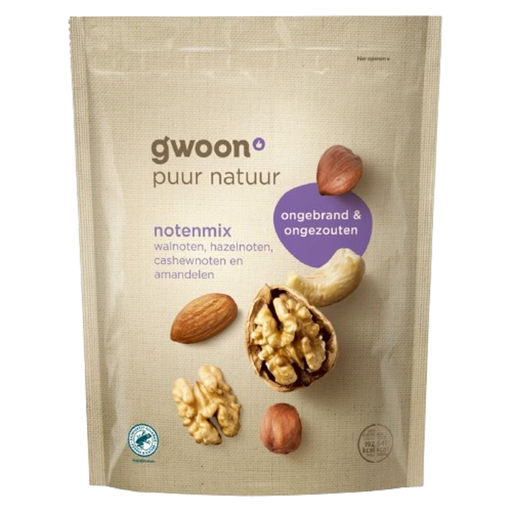 Image unavailable
A good choice if you’re looking for a raw, unsalted mix to enjoy as a snack or add to a dish. Check the pack for organic labelling if that matters to you.
The product description lists hazelnuts, walnuts, almonds and cashews, and states that it contains 19,1 g of protein per 100 g. The product may contain traces of peanuts.
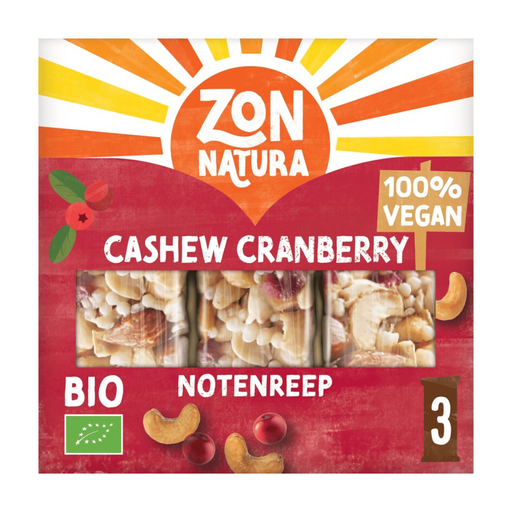 Image unavailable
A cashew and cranberry bar for anyone looking for a ready-to-eat snack. If organic certification is a requirement, check the details on the pack.
The product description lists 45% peanuts, 12% cashews, 6,5% almonds and 17 g of protein per 100 g, among other ingredients. The product contains nuts and peanuts; the description mentions possible traces of sesame.
Not necessarily: it depends on your overall diet and protein needs. The Netherlands Nutrition Centre recommends everyday foods and combinations such as quark, yoghurt, tofu, nuts and beans, so consider what else is in your meal too.
No. For the organic, unsalted cashews reviewed, Albert Heijn says they are fried in sunflower oil. Check organic certification, the preparation method and the ingredients separately.
Check the EU organic logo and its accompanying control code on the exact pack. According to the European Commission, the logo may be used on products that have been certified organic by a recognised control authority or control body. Skal provides further guidance on labelling prepacked organic consumer products.
Before buying, read the ingredients and allergen information for the exact product, and look out for any warnings about traces. The Netherlands Food and Consumer Product Safety Authority provides guidance on allergen information; an organic certification mark does not in itself tell you anything about allergens.
Compare the ingredient percentages and nutritional information per 100 g, then work out how much that means for the portion you use. A mix with seeds and dried fruit has a different composition from plain nuts; remember to include the other parts of your breakfast too.