
If you’re looking for a simple breakfast base
You want a quick weekday breakfast of muesli with yoghurt, milk or a plant-based alternative. A wholegrain variety may suit you if you also want to check the label for added sugar.


Start with the label when looking for organic muesli for a weekday breakfast: check the organic certification, then choose the ingredients and texture that suit your mornings. Wholegrain muesli with no added sugar leaves you free to add your own toppings. With a fruit and nut mix, pay extra attention to allergens, while for crunchy muesli you’ll also want to compare the sugar and fat per 100 g.
You want a quick weekday breakfast of muesli with yoghurt, milk or a plant-based alternative. A wholegrain variety may suit you if you also want to check the label for added sugar.
You’d like dried fruit, nuts or seeds without having to add them separately each morning. The exact ingredients and allergen information will help you decide which variety is suitable for you.
You prefer a crunchy muesli that’s ready to serve. According to the Netherlands Nutrition Centre, some crunchy breakfast cereals contain added ingredients such as sugar or honey, so compare the individual packs.
First check the organic certification, then compare plain wholegrain muesli, fruit and nut muesli, and crunchy muesli by ingredients, nutritional information and allergens. The preferences below reflect those of people choosing organic muesli for a weekday breakfast.
| What to look for | What to check when buying | Who it matters to |
|---|---|---|
| Organic certification | Look for the EU organic logo on the pack, and check the control code and origin information too. | If organic certification is the deciding factor for me, I want to be able to recognise the logo on the pack. Around 36% of these consumers check this first. |
| Wholegrains and added sugar | Check the proportion of wholegrains, the ingredients list and the nutritional information per 100 g; distinguish total sugars from added sugars. | For my regular breakfast, I want to add my own flavour and have no added sugar in the muesli. This is the main priority for around 27% of these consumers. |
| Fruit, nuts and seeds | Check which ingredients are included and read the allergen information, including any warnings about cross-contamination. | I want a mix that already contains fruit or nuts, without needing separate toppings, as long as the ingredients suit me. Around 19% of these consumers prioritise this combination. |
| Crunchy texture | Compare the ingredients and the sugar, fat and fibre per 100 g with those of a non-crunchy variety. | On busy mornings, I mainly want a crunchy muesli that’s ready to serve. This texture is the top priority for around 18% of these consumers. |
The EU organic logo relates to organic certification, not the amount of sugar. Albert Heijn states that AH Biologisch Krokante muesli naturel contains 9 g of added sugar per 100 g.
If you want to avoid added sugar, check the organic certification as well as the ingredients and nutritional information on the specific pack.
Fruit and nut muesli can contain several gluten-containing grains and nuts. Zonnatura Muesli Rijkgevuld lists wheat, barley, oats, rye and cashew among its ingredients; other varieties may have a different composition.
If you have a relevant allergy, read the current ingredients list before buying and check the clearly listed allergens and any cross-contamination warnings.
Comparing only the name or organic label overlooks differences in ingredients and nutritional value. Crunchy varieties may, for example, contain oil or syrup.
Compare the nutritional information for both products per 100 g, then decide whether a simple base, a fruit and nut mix or a crunchy texture matters most to you.
These examples show why it’s worth comparing organic muesli variety by variety: ingredients and nutritional information can differ even within the same brand.
This range includes a wholegrain fruit and nut muesli as well as a crunchy organic variety.
The organic varieties reviewed include a wholegrain fruit and nut muesli and a crunchy muesli with four nuts.
Muesli Rijkgevuld is a mix of fruit, nuts and seeds for anyone looking for all these ingredients in one product.
These fruit and nut, and nut and seed, mueslis are for anyone looking for a mix that doesn’t need separate toppings. If you specifically want to buy certified organic muesli, check the organic certification on the current pack; don’t base your decision on the product name alone.
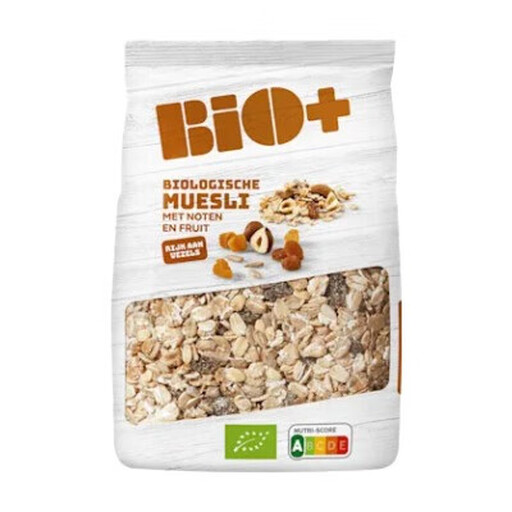 Image unavailable
A fruit and nut mix for a breakfast where you don’t want to add those ingredients separately.
Before buying, check the net weight on the pack and read the current allergen information. If you’re looking for an organic option, check the details on the label too.
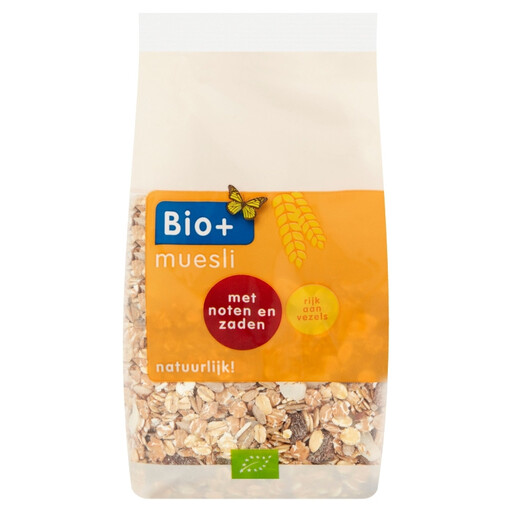 Image unavailable
A nut and seed muesli for anyone who wants these ingredients in their breakfast bowl.
If nuts, milk, peanuts or soya are relevant to you, read the current ingredients and allergen information. If you’re looking for an organic option, check the details on the pack.
For prepacked muesli, look for the EU organic logo and check the control code and origin information alongside it. According to the European Commission, the logo may only be used on products certified as organic by an approved control body. Compare the ingredients too: certification doesn’t tell you which mix is right for your breakfast.
No. Albert Heijn states that AH Biologisch Krokante muesli naturel contains 9 g of added sugar per 100 g. Check the ingredients and nutritional information separately when making your choice; the sugars in a product and added sugars are not the same thing.
Read the allergen information for the specific muesli before choosing or eating it. Fruit and nut mixes and other types of muesli may contain nuts or gluten-containing grains; also check the current pack for any cross-contamination warnings.
Follow the storage instructions on the pack and seal it tightly after use. The product information consulted from Albert Heijn and Jumbo recommends storing their muesli varieties in a cool, dry, dark place.