
Vandaag of morgen in huis

Kwaliteit gegarandeerd

Welkomstaanbiedingen ontgrendelen: GRATIS bezorging | Tot 80% korting | Gratis 30 dagen JoyPlus-proefperiode
Download de app
More and more kitchen pantries are being stocked with organic staples. Grains and legumes form the backbone of many meals. But the popularity of organic products also brings a lot of marketing noise. It can be difficult to determine which product is genuinely worth it and when you're just paying for attractive packaging.
Before you fill your shopping cart, it's wise to consider a few common pitfalls:
To cut through the marketing, you can focus on a few concrete specifications. These objective characteristics will help you choose a product that fits your needs.
You can identify a reliable organic product by the EU organic certification (the green leaf with stars). This logo guarantees that production meets legal standards. Some products offer extra transparency, for example, through a Fairtrade certificate or a protected geographical indication, which says something about the quality and ethical background of the product.
Look beyond the front of the package and check the nutrition facts table on the back. Are you looking for protein-rich legumes for after a workout? Then compare the protein content per 100 grams of, for example, organic soybeans or aduki beans. Do you eat gluten-free? Then make sure you choose one of the naturally gluten-free grains, such as organic millet or organic quinoa, and not a product like organic couscous (which is made from wheat).
Good packaging is a sign of care. Vacuum-sealed packaging or a sturdy, resealable bag helps preserve freshness, protects against pests, and ensures that the flavour and texture remain optimal. This is especially important for Asian staples like specialty rice varieties or beans, where the post-cooking texture is crucial.
Based on these objective criteria, we have selected a number of products that suit different households and cooking styles.
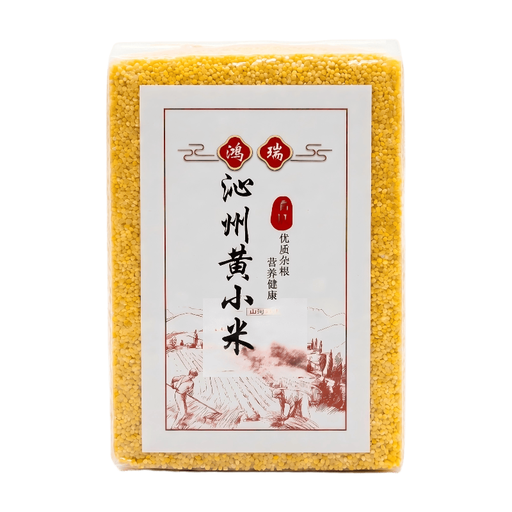
Why This Fits Their Persona: Ideal for families looking for a versatile and mild staple. This organic millet has a soft flavour and texture, making it suitable for porridge, as a side dish, or as a base for baby food.
The origin is clear: Qinzhou, a protected geographical indication. The product is certified organic, and the packaging provides clear nutritional information.
Naturally gluten-free and easy to digest. Its soft, slightly sweet flavour makes it a favourite with both children and adults.
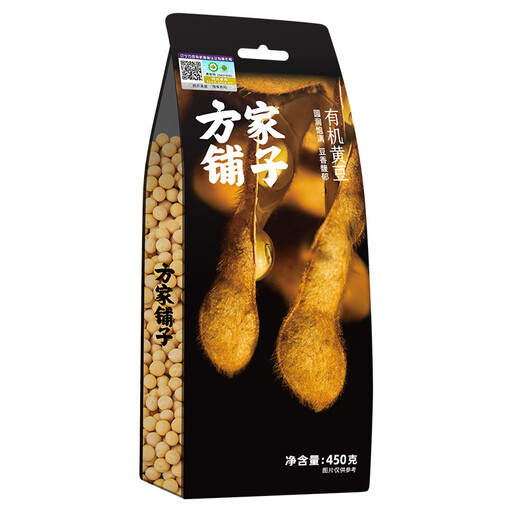
Why This Fits Their Persona: These organic soybeans are a perfect starting point for making your own soy milk, tofu, or nutritious congee. The product information even provides specific instructions for authentic preparations.
The airtight packaging is designed to keep out moisture and guarantee freshness, which is essential for good flavour and texture when making soy milk, for example.
Very high protein content (36g per 100g). The full, uniform beans lend a rich, natural soy flavour to dishes.
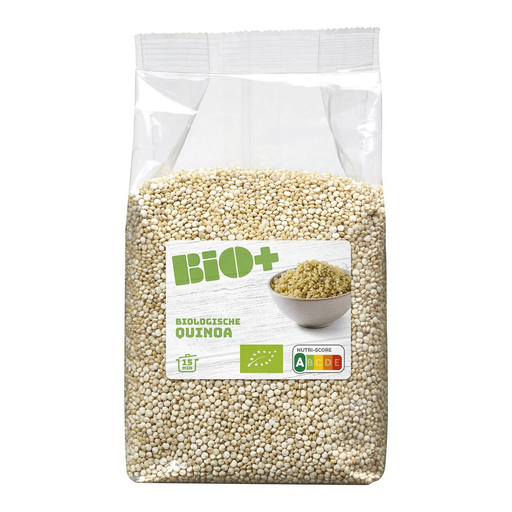
Why This Fits Their Persona: For those who pay attention to nutritional values, quinoa is an excellent choice. It's a source of protein and fibre, naturally gluten-free, and fits perfectly into a vegetarian or vegan diet as a base for salads and bowls.
The nutrition facts table is clear and verifiable, with a distinct mention of the protein (14.1g per 100g) and fibre content. The EU organic logo guarantees the organic claim.
Quinoa contains all essential amino acids, making it a complete protein. It is quick and easy to prepare.
Not all grains are the same. For specific dishes, the right type of rice is essential. We have compiled a complete, up-to-date list of products that meet strict selection criteria.
The ideal storage location is cool, dry, and dark, like a pantry. Once the package is opened, it's best to transfer the contents to an airtight container made of glass or metal. This protects against moisture, light, and pests, keeping the products fresh for longer.
Yes, it's a good practice to briefly rinse all dried grains and legumes under cold water before use. This removes any dust that may have accumulated during processing. For many legumes, such as organic mung beans or soybeans, it is also recommended to soak them for several hours to significantly reduce cooking time.
No, this is a common misconception. "Organic" refers to the cultivation method, not the composition of the grain. Organic wheat, spelt, and the organic couscous made from them contain gluten. If you are looking for gluten-free grains, choose options like organic rice, quinoa, buckwheat, or millet. To be certain, always check the label on the packaging.
