If you have coeliac disease and want to buy white bread, first check that the packaging says ‘gluten-free’; organic is a separate attribute and says nothing about the gluten content. Then choose between ready-to-eat white bread, a loaf that is confirmed as both organic and gluten-free, or a bread mix if you’re happy to bake it yourself. When making your final choice, also check the type of bread, the current label and, if it matters to you, whether it contains baker’s salt or iodised salt.
Who is this choice relevant to?
People with coeliac disease
For you, a clear gluten-free label is more important than choosing organic or white bread. The Voedingscentrum recommends looking for the ‘gluten-free’ label or the Crossed Grain symbol on the packaging. When storing and preparing your bread, also take care to avoid contact with ingredients and crumbs that contain gluten.
Households looking for organic and gluten-free bread
You want to be able to check both attributes separately. According to Skal Biocontrole, the European organic logo confirms that a product is organic; you’ll still need to check the packaging separately for the gluten-free label.
Buyers who want white bread without baking it themselves
You’re looking for a ready-to-eat loaf for lunch or toast, for example, rather than a bread mix or bake-at-home rolls. As well as the type of bread, check the ingredients, pack weight and information on the packaging of the product you’re actually buying.
What should you look for when choosing?
Start by checking for the gluten-free label. Then check the organic claim if that’s a requirement for you, and only after that decide which type of bread and product format best suits how you’ll use it.
| What to consider |
What to look for |
Who it matters to |
| Gluten-free label |
Look for ‘gluten-free’ or the Crossed Grain symbol on the current packaging. The European Union allows the ‘gluten-free’ label only on products sold to the final consumer that contain no more than 20 mg/kg of gluten. |
If I have coeliac disease, I don’t want to choose my bread based only on it being ‘organic’ or ‘wheat-free’. For around 36% of consumers, checking for gluten comes first. |
| Organic and the right type of bread |
Check for the organic label or the European organic logo separately from the ‘gluten-free’ label. Then check that the product is actually white bread. |
I want to find both attributes on the same loaf, but gluten-free organic seeded or sourdough bread won’t necessarily meet my preference for white bread. Around 29% of consumers give this combination top priority. |
| Nutritional information and type of salt |
Compare nutritional information on a like-for-like basis, for example per 100 g. Check the ingredients list to see whether baker’s salt or iodised salt has been used. |
When bread is a regular part of my meals, I want to know what ingredients I’m buying and whether it contains iodised salt. For around 21% of consumers, this is their main concern. |
| Product format and packaging |
Check whether you’re buying a whole loaf, rolls or a mix. Look at the quantity, preparation instructions and best-before information on the packaging. |
For my lunch, I want to know whether the bread is ready to eat or still needs baking, and whether the pack size suits how much I use. Around 14% of consumers prioritise this practical consideration. |
Common mistakes
-
Assuming organic means gluten-free
An organic label doesn’t confirm that bread is gluten-free. Equally, gluten-free bread doesn’t have to be organic.
If you need gluten-free bread, first check the packaging for ‘gluten-free’, then look for the organic label. If you want white bread, check the type of bread too.
-
Assuming all bread contains baker’s salt
According to the Voedingscentrum, bakers aren’t required to use baker’s salt. So you can’t tell which type of salt has been used from the words ‘white’, ‘gluten-free’ or ‘organic’.
Check the ingredients list for baker’s salt or iodised salt if this affects your choice.
-
Relying on an old product description instead of the current label
Albert Heijn warns that the ingredients, nutritional values and allergen information for its gluten-free white bread may change. A pack you bought previously is therefore no substitute for checking the label on a new one.
Read the packaging of the loaf you have in front of you before use, especially if the gluten-free label and allergen information are essential to your purchase.
Brands to consider
The examples below vary in type of bread and product format. One gluten-free product in a range doesn’t mean that the whole brand range is gluten-free or organic.
Jumbo Lekker Vrij
Jumbo lists Lekker Vrij van Gluten Wit as a 500 g gluten-free white loaf.
- A ready-to-eat white loaf is a different choice from a mix that you need to bake yourself.
- If you also want to buy organic, check that the specific pack carries the relevant label. Also read the current ingredients and allergen information.
AH Glutenvrij
Albert Heijn offers AH Glutenvrij Wit brood half as a separate white bread product.
- The product format suits anyone looking for ready-to-eat white bread.
- Check separately for an organic label. Albert Heijn notes that product information, including ingredients and allergens, can change.
Yam
Jumbo lists Yam Desem Brood with the product description ‘Glutenvrij & Biologisch’.
- The description combines the two attributes some buyers are specifically looking for.
- That doesn’t automatically make it white bread. If you prefer white bread, check the type of bread on the individual product.
Schär
Albert Heijn lists Schär Meesterbakker Classic as a 300 g gluten-free loaf. Schär Mix B is also a gluten-free bread mix that you prepare yourself.
- Choose based on the product format: a loaf and a bread mix need different preparation before use.
- Don’t assume a product is organic because it’s labelled gluten-free; check each product separately.
Consenza
Albert Heijn lists Consenza Vezelrijk zadenbrood chia as ‘glutenvrij bio’.
- This is an example for anyone specifically looking for bread that is both organic and gluten-free.
- The product listed is seeded bread, not white bread, so check whether it suits what you’re looking to buy.
Bread mix and rolls on Joybuy
These products are for anyone who wants to bake their own bread or bake rolls at home. They’re not the same as a ready-to-eat white loaf. If you’re buying with coeliac disease in mind, always check the gluten-free label on the individual pack and assess any organic requirements separately.
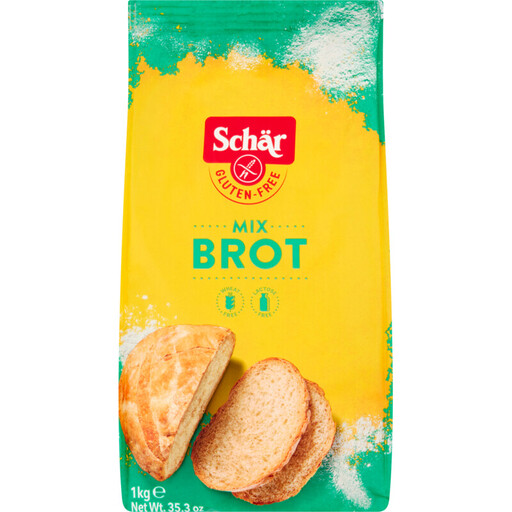 Image unavailable
Schär Bread Mix-Mix B Gluten Free, 1 kg
For anyone who wants to use a gluten-free bread mix and bake their own bread; this isn’t a ready-to-eat loaf. Joybuy describes Schär Mix B as a white bread mix that can be made by hand or in a bread machine.
Check the current packaging for ingredients and allergens, and for an organic label if that’s a requirement for you.
View on Joybuy
 Image unavailable
Gv Baguette Mini, 7 pieces
For anyone looking for small rolls to bake at home, rather than a whole ready-to-eat white loaf. The pack contains 7 pieces.
Check the current pack for the gluten-free label, ingredients and allergens. Look separately for an organic label if that’s important to your choice.
View on Joybuy
Frequently asked questions
Is organic white bread automatically gluten-free?
No. According to Skal Biocontrole, the European organic logo confirms that a product is organic, while the European ‘gluten-free’ label has a separate requirement: products sold to the final consumer must contain no more than 20 mg/kg of gluten. Check for both attributes on the bread you choose.
What should I look for on a bread label if I have coeliac disease?
Check whether the packaging says ‘gluten-free’ or displays the Crossed Grain symbol; the Voedingscentrum lists both as things to look for. Also read the current ingredients and allergen information, and at home take care to avoid contact with crumbs that contain gluten.
Does organic or gluten-free bread always contain baker’s salt?
No, you can’t tell from the words ‘organic’ or ‘gluten-free’. The Voedingscentrum says that bakers aren’t required to use baker’s salt and that you can check the label to see whether it has been added. So check the ingredients list for the specific loaf.
Can a gluten-free bread mix replace ready-to-eat white bread?
A bread mix is a good option if you want to bake your own bread, but it isn’t ready to eat. Joybuy describes Schär Mix B as a gluten-free white bread mix that can be made by hand or in a bread machine. When preparing it, keep ingredients and crumbs containing gluten away from your work surface.
Why should I check the pack if I buy the same bread regularly?
Because product information can change. For AH Glutenvrij Wit brood half, Albert Heijn specifically warns that ingredients, nutritional values and allergen information may change. So read the packaging on the loaf you’re about to use.


