
Vandaag of morgen in huis

Kwaliteit gegarandeerd

Welkomstaanbiedingen ontgrendelen: GRATIS bezorging | Tot 80% korting | Gratis 30 dagen JoyPlus-proefperiode
Download de app
Buying organic food may seem straightforward, but an appealing label does not always tell the whole story. Parents pay attention to age suitability, sugar and allergens, while adults often look for fibre, plant-based ingredients and convenience. The right choice therefore starts not with eye-catching packaging, but with the product information.
A baby fruit pouch may contain no added sugar and still provide relatively high levels of natural sugars from fruit. That is different from a sugar-free product. Always check the nutrition table and look for ingredients such as dates, raisins, agave syrup or fruit concentrate in the recipe.
For example, according to the product description, De Kleine Keuken Organic Fruitjes with Apricots contains apricots, dates and bananas. No sugar is added, but the fruit sugars are still present. Zonnatura Organic Nut Bar with apple and cinnamon is sweetened with agave syrup and contains 24 grams of sugar per 100 grams according to the listed nutritional values.
Organic certification says something about the origin and production methods of the ingredients. It does not automatically mean that a product is suitable as a complete meal, contains plenty of protein or is appropriate for every age. The age recommendation is particularly important for organic baby food.
A fruit purée suitable from 6 months, for example, is not the same as a meal containing vegetables, grains and sources of protein. Also check the texture, portion size and preparation instructions.
“Pure” or “natural” does not mean that a product is allergen-free. Oatmeal and muesli may contain gluten. Nut bars often contain peanuts, almonds or other nuts. Traces of nuts, milk or sesame may also be present.
For baby products, storage instructions are just as important. An opened baby fruit pouch often needs to be refrigerated and used within one day or 48 hours. The packaging of the delivered product is always the authoritative source.
For baby food suitable from 6 months, check whether the product is explicitly intended for that age group. According to the product information, Organix Bio Pear & Raspberry 6+ Months Squeezies contains organic pear and raspberry purée and is suitable from 6 months. Ella’s Kitchen BIO Blueberries Apples Bananas is listed as suitable from 4 months; always follow the advice on the packaging and, where necessary, discuss introducing foods with a child health clinic or another qualified healthcare professional.
From 12 months onwards, more textures and combinations become available. According to the product details, Organix fruit products with oats and fruit and De Kleine Keuken Fruitjes with Apricots are intended for children from 12 months.
Compare products on a like-for-like basis. Pay particular attention to:
Claims about vitamins, minerals or digestive health should come from the product packaging and comply with the applicable EU regulations. A brand’s own research or an unverified product description is not, by itself, evidence of a health benefit.
If you are looking for food with no added sugars, start with the ingredients list. A short list is easy to understand, but you should also check the nutritional values. According to the product information, B+ Muesli Nuts and Fruit contains 0 grams of added sugars, but it does contain 20.8 grams of sugars per 100 grams, including sugars from dried fruit.
For a plant-based breakfast, B+ Oat Drink can be a practical option. According to the label, the drink contains water, 12% oats, sunflower oil and salt. The product contains gluten. A plant-based option is therefore not automatically suitable for people with an allergy or those following a gluten-free diet.
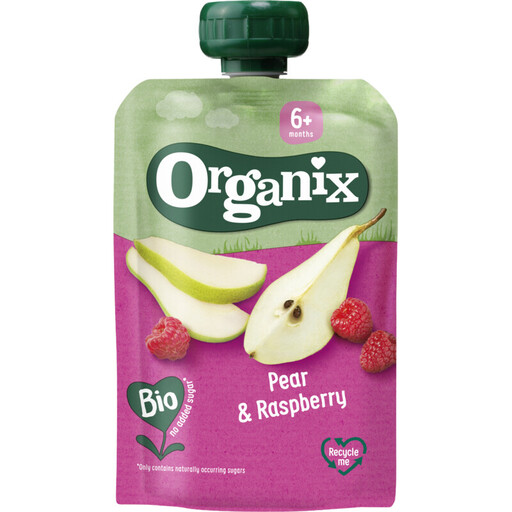
Why it fits: An accessible fruit option for parents looking for a small, convenient portion to take on the go from 6 months onwards.
The age recommendation and ingredients are clearly stated. According to the product information, no added sugar is used.
90% pear purée, 10% raspberry purée and 1.7 grams of fibre per 100 grams according to the listed specifications.

Why it fits: Ideal for anyone who wants to build their own breakfast with fruit, nuts or plant-based milk.
According to the ingredients list, the product consists of organic wholegrain oats. However, check the gluten declaration and any possible traces.
11 grams of fibre and 11 grams of protein per 100 grams according to the stated nutritional values.
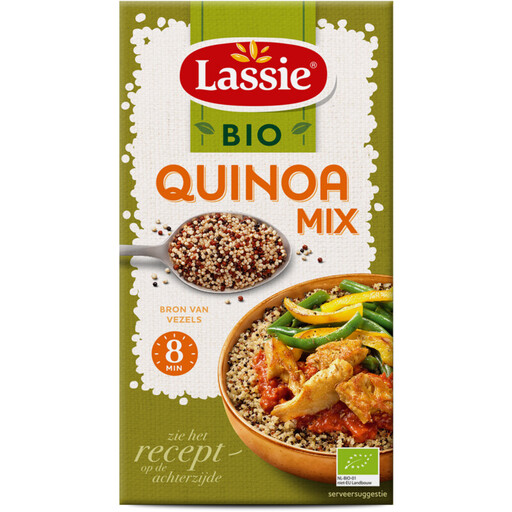
Why it fits: A versatile base for salads, bowls and hot meat-free meals.
The product information states that the mix contains none of the 14 major EU allergens. Check the current packaging if allergies are a concern.
According to the listing, the mix is ready in approximately 8 minutes and provides 11.7 grams of protein and 7.3 grams of fibre per 100 grams.
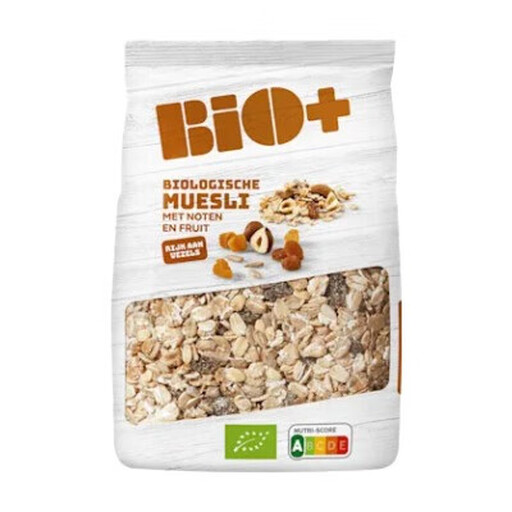
Why it fits: Convenient for breakfast with yoghurt, oat milk or as a topping for a smoothie bowl.
The listing states 0 grams of added sugars, but also 20.8 grams of sugars per 100 grams. This distinction makes comparisons easier.
According to the product details, it contains 9 grams of fibre and 10.9 grams of protein per 100 grams.
Probiotic capsules and combinations of prebiotics and probiotics are also available to support digestive health. Lucovitaal Prebiotics & Probiotics lists 20 billion bacteria per capsule and 50 mg of FOS. Nature Love Probiona lists 20 bacterial cultures and 20 billion CFU per daily serving of two capsules. These are food supplements, not substitutes for a varied diet. Check the dosage, age restrictions, allergens and warnings on the packaging. If you are pregnant or breastfeeding, take medication or have health complaints, it is advisable to consult a healthcare professional.
Browse our current range of organic food products and compare baby food, breakfast products, plant-based alternatives, snacks and food supplements based on ingredients, age suitability and nutritional values.
Not automatically. Organic certification relates to the production method. You should also compare the ingredients list, nutritional values, serving size and the amount of salt or sugar. Organic granola, for example, may still contain high levels of sugar from dried fruit.
Check the age recommendation, texture, allergens, preparation method and storage time after opening. Do not use a pouch as a substitute for every meal, and follow the instructions on the packaging. For baby food suitable from 12 months, options include Olvarit meals and Organix fruit products, but their composition and intended use differ.
Oat milk is a plant-based alternative for adults and can be used in recipes. According to the product information for B+ Oat Drink, it contains 0.7 grams of protein per 100 millilitres and gluten. Babies and toddlers have different nutritional needs, so do not use a plant-based drink as a straightforward substitute for breast milk or infant formula.
