
Conscious organic shoppers
You want to be able to check whether a product is certified organic, rather than relying on words such as ‘natural’ or ‘pure’. The European Commission explains when the EU organic logo may be used.


Organic raisins make a handy little TV snack and can also be stirred into porridge. For a change, try dried pineapple, or serve dates whole. Check the organic labelling, ingredients and storage instructions on the pack. The Voedingscentrum recommends no more than 20 grams of dried fruit a day, so count your breakfast and TV snack together.
You want to be able to check whether a product is certified organic, rather than relying on words such as ‘natural’ or ‘pure’. The European Commission explains when the EU organic logo may be used.
You’re looking for something sweet to enjoy while watching TV and want to decide in advance how much you’ll eat. The Voedingscentrum recommends no more than 20 grams of dried fruit a day; this applies even when no sugar has been added.
You want to use the same pack at more than one time of day. Raisins are often described as an addition to porridge, while dried dates can also be used in dishes.
The percentages relate to consumers considering organic dried fruit for a TV night, and possibly for breakfast too. Each consumer’s figure reflects their single top purchase priority.
| What to consider | What should you check? | Who is this most important to? |
|---|---|---|
| Organic certification | Check the organic labelling and, if the EU organic logo is used, the inspection code and the origin of the agricultural ingredients. | If I want to be sure the product is certified organic, I check the labelling on the pack. Around 29% of consumers rank this check as their top purchase priority. |
| Portions and sugars | Read the ingredients and nutritional information. ‘No added sugar’ doesn’t tell you how much total sugar the product contains. The Voedingscentrum recommends no more than 20 grams of dried fruit a day. | If I want to enjoy a small amount while watching TV, I keep an eye on my total portion for the day. Around 29% of consumers give portion control top priority. |
| Use as a snack and at breakfast | Choose a fruit and format that suit how you plan to use it, and follow the storage instructions after opening. | If I want to use the pack for both my TV snack and breakfast, I look at the suggested uses listed for the product. Around 18% of consumers make this their top priority. |
| Pack size and quantity | Compare the pack sizes and consider whether you’ll use the contents in time, following the storage instructions. | If I mainly want to avoid buying more than I’ll use, I look for a pack size that suits my needs. Around 12% of consumers make this their main consideration. |
| Ingredients and allergens | Read the ingredients and allergen warnings on the current pack, especially if you have an allergy or dietary restriction. | If an allergen is a concern in my household, I check the full pack, not just the name of the fruit. Around 12% of consumers make this their top priority. |
Organic labelling relates to how a product is made. Unsweetened fruit can still contain naturally occurring sugars. The Voedingscentrum recommends no more than 20 grams of dried fruit a day.
Set out a portion in advance, and count what you eat at breakfast towards your TV snack too.
A product page may give a portion size that differs from the Voedingscentrum’s general advice. For example, the AH dates examined list a 50-gram portion, while the Voedingscentrum recommends no more than 20 grams of dried fruit a day.
Use a supplier’s portion size to understand the product information, not as a replacement for general guidance.
The AH pineapple and dates examined may contain peanuts and nuts, despite having simple ingredients lists.
If you have a relevant allergy, check the allergen warnings on the specific pack.
Albert Heijn’s official product information describes organic raisins, unsweetened dried pineapple and pitted dried dates.
Jumbo describes organic sultanas as a snack and as an addition to breakfast dishes.
The BIO+ sultanas examined are a BIO+ product sold by PLUS.
These products are related to dried fruit. Before choosing, check the pack for organic certification, ingredients, allergen information and storage advice.
 No image available
The product information lists raisins in 10 boxes of 14 g. Check the pack to see what age the product is intended for and how to serve it safely.
According to the product information, suitable from 12 months. Supervise children while they eat; not suitable for children with swallowing difficulties.
 No image available
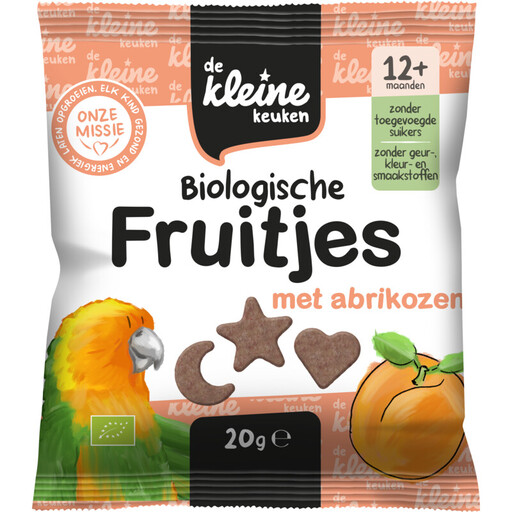
The product information gives a 20 g portion and describes apricot, date and banana as the main ingredients.
According to the product information, intended for children from 12 months; the product may contain traces of nuts. Consume soon after opening.
 No image available
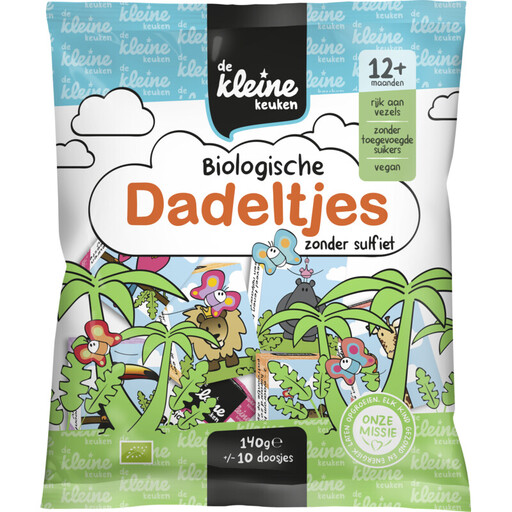
The product information describes mini dates and lists 95% dates and 5% rice flour.
According to the product information, intended for children from 12 months. Make sure a child is sitting upright and supervise them while they eat.
 No image available
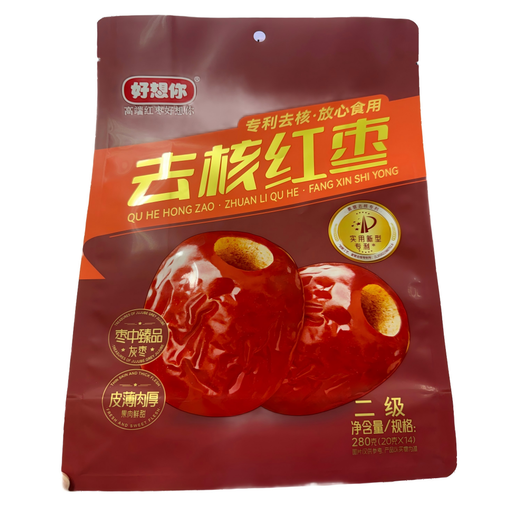
The product information lists jujube as an ingredient and describes it as suitable for snacking or adding to tea, soup and desserts.
Store in a cool, dry place; consume as soon as possible after opening.
No, this doesn’t apply to every product. According to the European Commission, the logo is compulsory for pre-packed organic food produced in the EU; its use may be optional for certain imported products. If the logo is used, the inspection code and agricultural origin must also be shown.
The Voedingscentrum recommends no more than 20 grams of dried fruit a day, not per meal or snack. So count your breakfast and TV snack together.
No. The AH pineapple and dates examined may contain peanuts and nuts. If you have a relevant allergy, check the specific pack; a simple ingredients list doesn’t mean there won’t be an allergen warning.
Yes. For the pitted dates examined, Albert Heijn warns that a stone may accidentally have been left behind. Check the dates when preparing or serving them.
Follow the instructions on the current pack. The Albert Heijn product pages examined specify a limited shelf life after opening for the pineapple and dates; there isn’t one storage period that applies to every product.