Who might be interested in organic dried fruit?

Students looking to save on each meal

You want to use a small amount of dried fruit in a dish, so you’re considering both the pack weight and how much you actually need. Product information from Albert Heijn, Jumbo and PLUS makes it easier to compare pack sizes; the Netherlands Nutrition Centre gives an example of raisins in couscous.

Shoppers who want to check that a product is organic

You’re looking for a clear organic label on the packaging, rather than relying on words such as ‘natural’ or the product’s appearance. The Dutch government and the European Commission explain how to recognise organic labels and certification.

Students who want to use one pack for different meals

You’re looking for dried fruit that works in an evening meal and could also be used at breakfast. The Netherlands Nutrition Centre mentions both uses, so choose according to the dishes you actually plan to make.

What should you look for when choosing?

Organic raisins

Choose this option: if you want to add a small amount of raisins to couscous and might also use the pack for breakfast.

Bear in mind: the packs mentioned are 250 g and may contain sunflower oil as well as raisins.

Organic dried dates

Choose this option: if you want to add pieces of date to a stew or salad and would rather buy a product sold as pitted.

Bear in mind: the AH pack described is 500 g; despite being labelled ‘pitted’, a stone may still be present.

What to consider What should you look for? Who might this matter more to?
Quantity and pack size Compare the net weight with the amount you need for your dish. If I only need a small amount for one meal, I don’t want to choose a pack that doesn’t suit how I plan to use it. Around 36% of consumers prioritise the amount they use and their budget.
Organic certification Check the organic label, logo and information on the packaging. If I’m looking for certified organic produce, I want to be able to recognise it on the label rather than rely on a natural appearance. Around 29% of consumers give organic assurance the highest priority.
How you’ll use it in your dish Choose the type and form of fruit that suit your dish; bear in mind that you may need to chop it or check for any stones left behind. If I want to mix dried fruit into couscous, a stew or a salad, I choose according to how I’ll use it and whether I’ll have other opportunities to eat it. Around 21% of consumers base their choice mainly on how they’ll use it in dishes.
Portions and storage Read the nutritional information and follow the storage instructions on the specific pack. If I want to use a pack over several occasions, I pay attention to how much I eat and how I store the rest. Around 14% of consumers prioritise portion planning and suitable storage.

Common buying mistakes

  • Assuming organic means low in sugar

    An organic label tells you about how a product is sourced; it doesn’t automatically tell you how much sugar it contains. For example, Albert Heijn’s product information distinguishes between added sugars and total sugars.

    Check organic certification and nutritional information separately, and think about how much you’ll actually use in your dish.

  • Looking only at the pack

    A 500 g pack contains more than the 250 g packs of raisins mentioned. That difference matters if you only need a small amount for one dish.

    Choose a net weight that suits how you plan to use the fruit, and consider how much you’ll need to store after cooking.

  • Taking ‘pitted’ as an absolute guarantee

    For the specific AH dates, the product information warns that a stone may accidentally remain despite checks.

    Check the dates as you chop them, before mixing them into your dish.

  • Stocking up without storing it properly

    Raisins can lose quality if they aren’t stored properly. The Netherlands Nutrition Centre recommends keeping them in a cool, dry, dark place in a tightly sealed container.

    Choose an amount that suits how you plan to use it, and seal the pack securely after opening.

Brands and supermarket options to consider

Albert Heijn

The product pages list AH Biologisch Rozijnen and AH Biologisch Dadels gedroogd zonder pit as organic options.

  • Albert Heijn lists an EU organic logo and inspection code for its raisins.
  • The dates come with product-specific warnings about possible stone fragments and the possible presence of peanuts and nuts.

Jumbo

Jumbo lists Zongedroogde Sultana Rozijnen Biologisch in a 250 g pack.

  • The ingredient information identifies both the raisins and sunflower oil as organic.
  • Use the nutritional information for the specific pack; details for another variant may not be the same.

PLUS

PLUS lists BIO+ Sultana rozijnen in a 250 g stand-up pouch.

  • The product page uses the labels Biologisch and EU Organic Farming, and lists organic raisins and organic sunflower oil.
  • Check the storage instructions and any warnings on the pack you buy.

Dirk

Dirk lists Bio+ Rozijnen sultana in a 250 g pack.

  • The product listing gives a specific product name and pack size.
  • Check the organic label and variant on the specific pack.

Lidl

Lidl Netherlands lists Belbake Biologische rozijnen as a product range.

  • The retailer describes this product range as ‘organic raisins’.
  • When buying, check the exact variant and organic information on the label.

ALDI

The ALDI product page mentioned describes Trader Joe’s 500 g raisins as standard raisins.

  • The product listing makes the product type and pack size clear.
  • This particular listing is not for an organic variant and says nothing about other ALDI products.

Joybuy dried fruit products

This selection includes raisins, dates and fruit pieces. Check the organic label and intended age group on each pack: some products are specifically for children aged 12 months and over, so they aren’t automatically a suitable choice for a student meal.
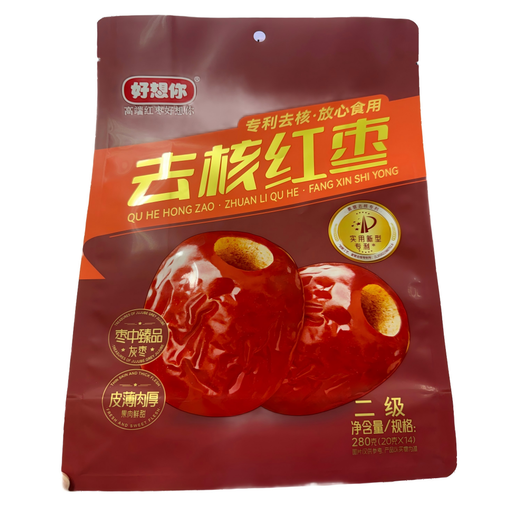
Haoxiangni Grade 2 Fresh-Locked Pitted Red Dates Original Flavour 280g

Haoxiangni Grade 2 Fresh-Locked Pitted Red Dates, Original Flavour, 280 g

The product information lists jujube as an ingredient and suggests using it in soup; the title describes the product as pitted red dates.

If you’re looking for an organic product, check the labels on the packaging.

Joybuy
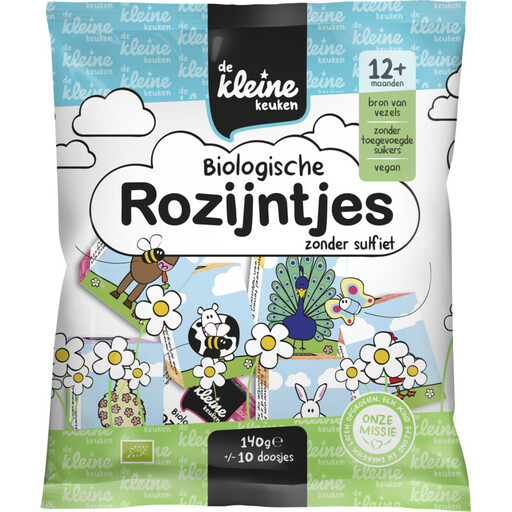
De Kleine Keuken Organic Raisins 12M+ 140g

De Kleine Keuken Organic Raisins 12M+, 140 g

According to the product information, this product is intended for babies over 12 months old; supervision while eating is required. This age guidance doesn’t automatically make it a suitable general choice for a student meal.

The pack contains 10 boxes of 14 g each, according to the product information.

Joybuy
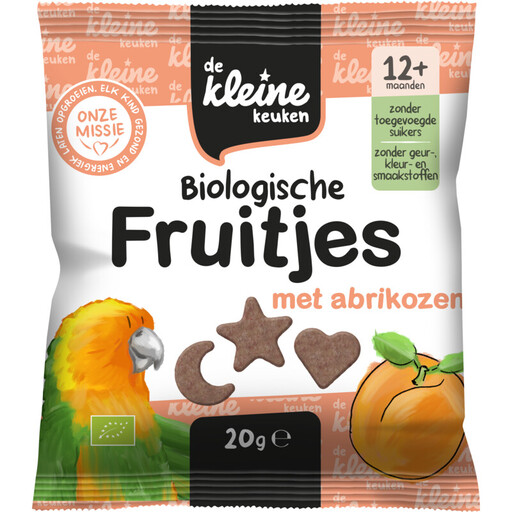
De Kleine Keuken Organic Fruitjes with Apricots 20 g

De Kleine Keuken Organic Fruitjes with Apricots, 20 g

The product information describes fruit pieces made with 44% dried apricots, 44% dates, 8% bananas and 4% rice flour.

According to the product information, this product is suitable from 12 months and may contain traces of nuts; check the current packaging.

Joybuy
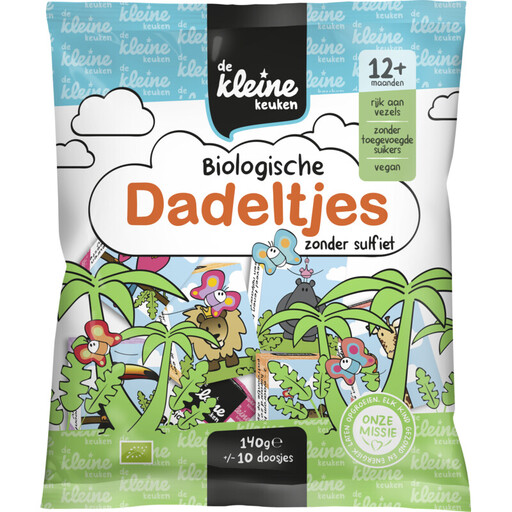
De Kleine Keuken Organic Dates 12+

De Kleine Keuken Organic Dates 12+

The product information describes mini dates made with 95% dates and 5% rice flour.

The product information says they’re suitable from 12 months. Check the labels on the packaging if you want to confirm the organic certification.

Joybuy
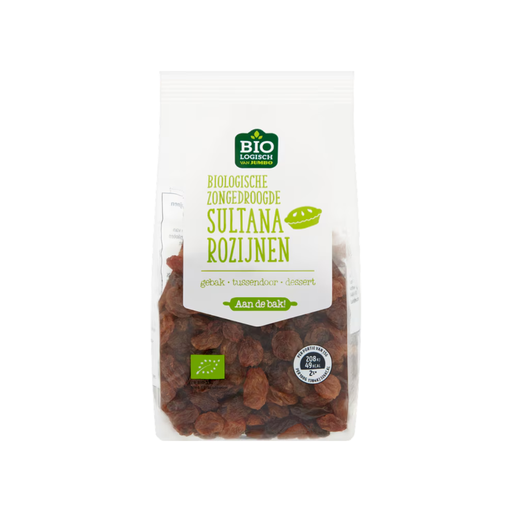
B+ Sultana Raisins 250 g

B+ Sultana Raisins, 250 g

The product information lists raisins and sunflower oil, and suggests using them in breakfast cereal and for baking.

The product listing includes an organic label; check the logo and inspection code on the packaging. According to the product information, a stalk or stone may remain.

Joybuy

Frequently asked questions about organic dried fruit

How can you use dried fruit in an evening meal?

The Netherlands Nutrition Centre uses 25 g of raisins for two people in pumpkin couscous with tempeh. It suggests pieces of dried apricot, fig or date as alternatives; choose the fruit that suits your dish.

How can I identify organic dried fruit?

Check the organic label and related information on the specific pack. The Dutch government explains that ‘organic’ is a protected label; the European Commission says the EU organic logo is used for certified organic products. Also look for the inspection code and information about the agricultural origin.

Does organic mean dried fruit is low in sugar?

No, the organic label alone tells you nothing about the sugar content. For example, Albert Heijn’s product information distinguishes between added sugars and total sugars in raisins; compare the nutritional information on the specific pack.

How should I store an opened bag of raisins?

Store raisins in a cool, dry, dark place and seal the pack securely, as recommended by the Netherlands Nutrition Centre. For opened packs of raisins kept in a kitchen cupboard, the Bewaarwijzer gives a general storage period of 6–9 months; also follow the label and look out for signs of spoilage. This advice doesn’t automatically apply to all dried fruit.

What should I look out for if I have a food allergy?

Read the ingredients and allergen information on the current packaging. The Netherlands Food and Consumer Product Safety Authority explains the requirement to list 14 allergens; the specific AH dates carry a warning about the possible presence of peanuts and various nuts. An organic label doesn’t replace this check.
