
Evening snackers who care about organic food
You want dried fruit for a late-night snack with verifiable organic certification, so you look beyond words such as ‘natural’. The European Commission explains the requirements for the EU organic logo.


Check both the organic certification and the ingredients, then decide how much you want to eat: organic dried fruit is not automatically low in sugar or portioned to suit your needs. The Netherlands Nutrition Centre recommends eating no more than 20 g of dried fruit a day; this is dietary advice, not a legal limit on what you can buy.
You want dried fruit for a late-night snack with verifiable organic certification, so you look beyond words such as ‘natural’. The European Commission explains the requirements for the EU organic logo.
You want to have a small amount and distinguish the portion shown on the packaging from dietary advice. The Netherlands Nutrition Centre recommends eating no more than 20 g of dried fruit a day.
You’re looking for dried fruit you can eat on its own and add to breakfast. The Netherlands Nutrition Centre suggests adding dried fruit to breakfast, while Jumbo describes organic sultanas in a 250 g pack.
Start by deciding what matters most to you: organic certification, quantity, when you’ll eat it or allergen information. The points below are for anyone considering organic dried fruit as a late-night snack, possibly as part of breakfast too.
| What to consider | What to check | Who might prioritise this? |
|---|---|---|
| Organic origin | Check the organic certification, control code and agricultural origin. The European Commission explains the requirements for the EU organic logo. | If organic origin is your priority, you’ll want to be able to check the certification on the packaging. Around 28% of consumers put verifiable organic origin first. |
| Sugar and portion size | Read the ingredients list and nutrition information, then decide how much to eat. The Netherlands Nutrition Centre recommends eating no more than 20 g of dried fruit a day. | If you want a small snack, you’ll want to distinguish added sugar from the sugars naturally present in fruit. Around 28% of consumers give sugar and portion size top priority. |
| Snacking and breakfast | Consider the type of fruit and pack format, and whether they suit eating on their own, portioning yourself or adding to breakfast. | If you’re looking for one purchase for both a snack and breakfast, how you’ll use it matters. Around 17% of consumers prioritise convenience and versatility. |
| Pack size | Compare the net weight and consider whether you’d rather weigh out a portion yourself or choose a pre-portioned pack. | If you want to choose an amount that suits how you’ll use it, the pack format makes a difference. Around 16% of consumers give pack size and quantity top priority. |
| Allergen information | Check the ingredients and any warnings about possible cross-contamination on the current packaging. The NVWA provides information about allergen labelling. | If you have specific allergen requirements, you’ll want to check this information before eating. Around 11% of consumers put these requirements first. |
Organic certification relates to how a product is made, not its sugar content. Even dried fruit with no added sugar contains sugars that occur naturally in the fruit.
Check the organic certification and ingredients list separately. Also look at the nutrition information and consider how much you want to eat.
The amount in a small pack, or the portion shown on a product page, is not the same as dietary advice. The Netherlands Nutrition Centre recommends eating no more than 20 g of dried fruit a day.
Add together the amount you have as a snack and any you use at breakfast. Treat this as dietary guidance, not a legal limit on what you can buy.
Organic origin does not replace the ingredients list or allergen information. The NVWA states that new rules for warnings about possible cross-contamination will apply from 1 January 2026.
If you have a relevant allergy, read the ingredients and current warnings on the packaging.
AH Biologisch includes dried, unsweetened mango for snacking.
Jumbo describes organic sultanas in a 250 g pack.
The Dutch product page lists Belbake Organic Sultanas.
Trader Joe’s 500 g sultanas are a dried fruit option.
PLUS lists De Kleine Keuken 12+ Organic Sultanas, 140 g, as a baby food product.
Dirk lists sultanas as a dried fruit product.
This selection includes dried fruit for snacking, including organic sultanas and other fruit varieties. Check the ingredients, organic certification and intended use for each variety.
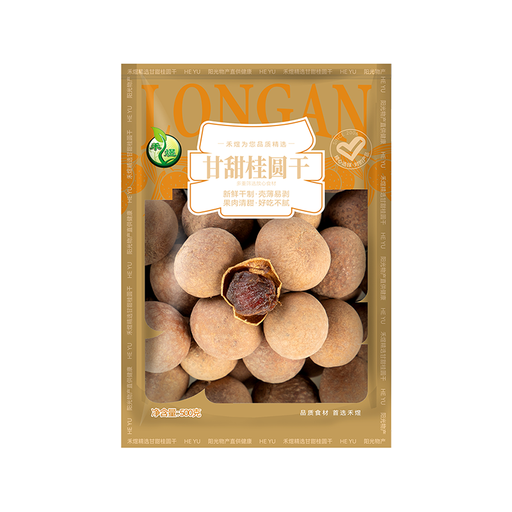 No image available
An option if you’d like to try dried longan as a late-night fruit snack.
The product title lists dried longan and 500 g.
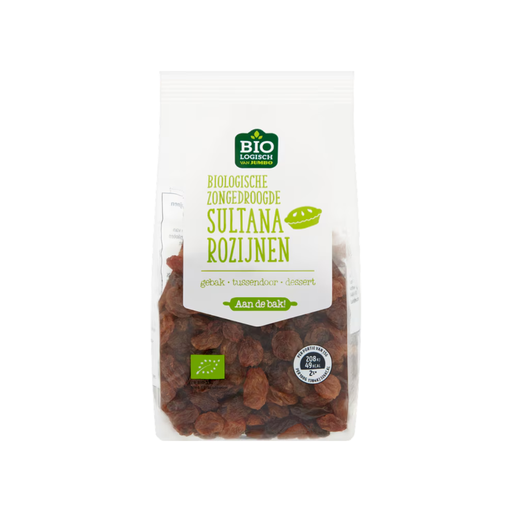 No image available
Suitable if you want to portion out sultanas yourself or add them to breakfast cereal.
The product description states that they are from organic sources, contain no added sugar and can be eaten as a snack or with breakfast cereal. The pack contains 250 g.
 No image available
This is a baby food product. Choose it only if that’s the product category you’re looking for, rather than as a general snack for adults.
The description lists 10 boxes of 14 g, organic sultanas and no added sugar. The product is intended for babies from 12 months, who should be supervised while eating, and is not suitable for children with swallowing difficulties.
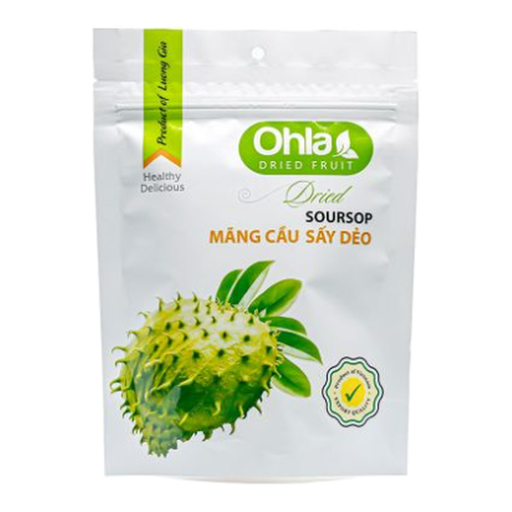 No image available
An option if you’re looking for dried soursop and want to check the ingredients first.
The ingredient description lists soursop, citric acid, sodium metabisulphite, white sugar and glucose. The product title lists 180 g.
Not in every situation. According to the European Commission, the EU organic logo is compulsory for pre-packaged organic food produced in the EU; the control code and agricultural origin are also relevant. This requirement does not automatically apply to unpackaged products or products from outside the EU.
No. A serving size on the packaging and dietary advice serve different purposes. The Netherlands Nutrition Centre recommends eating no more than 20 g of dried fruit a day; add together the amounts you have as a snack and at breakfast.
No. Organic origin says nothing about the sugar content, and ‘unsweetened’ does not mean that fruit contains no naturally occurring sugars. Read the ingredients list and nutrition information, then decide how much to eat.
Check both the ingredients and any warnings about possible cross-contamination on the current packaging. The NVWA states that new Dutch rules for cross-contamination warnings will apply from 1 January 2026.
For the variety mentioned, PLUS recommends storing the product in a cool, dry, dark place. Follow the label on the specific pack; this advice does not automatically apply to all dried fruit.