What should you look for when buying organic dried fruit?
First check the organic certification and ingredients, then consider the portion and the fruit’s role in your snack or breakfast.
| What to consider |
What to look for |
Who should give this more weight? |
| Protein in your recovery snack |
Check the protein content of your whole snack or breakfast. The raisin labels reviewed from Albert Heijn, Jumbo and PLUS list 2.8–3.1 g of protein per 100 g. |
After an intense workout, I want my snack to meet my protein needs; around 31% of consumers prioritise recovery nutrition. |
| Sugars and portion size |
Read both the ingredients and nutrition information, and weigh your portion. The Netherlands Nutrition Centre recommends eating no more than 20 g of dried fruit a day. |
I want to know how much I’m actually eating, rather than relying solely on the ‘no added sugar’ claim; around 25% of consumers prioritise portion control. |
| Organic certification |
Check the certification for the exact product. If it carries the EU organic logo, the control code and agricultural origin should also be shown; the logo is optional on imported organic products. |
If organic certification is my main requirement, I check the details on the pack; around 19% of consumers prioritise this reassurance. |
| Adding it to breakfast |
Choose an amount you can measure out yourself and follow the storage instructions on the pack. The raisin product pages reviewed from Albert Heijn, Jumbo and PLUS recommend storing them in a cool, dry, dark place. |
After a morning workout, I want to be able to add fruit to breakfast easily and choose my own portion; around 13% of consumers prioritise this breakfast routine. |
| Fitting in with your usual shopping |
Check where the exact product is available and whether it fits in with your usual shopping routine. |
I want to pick up my choice with my regular groceries, without making a separate trip to the shops; around 12% of consumers prioritise affordability or where they shop. |
Joybuy products featuring dried fruit and fruit snacks
Below are Joybuy products related to dried fruit or fruit snacks. Check the organic certification on the exact product’s packaging; the product name alone doesn’t confirm it.
 No image available
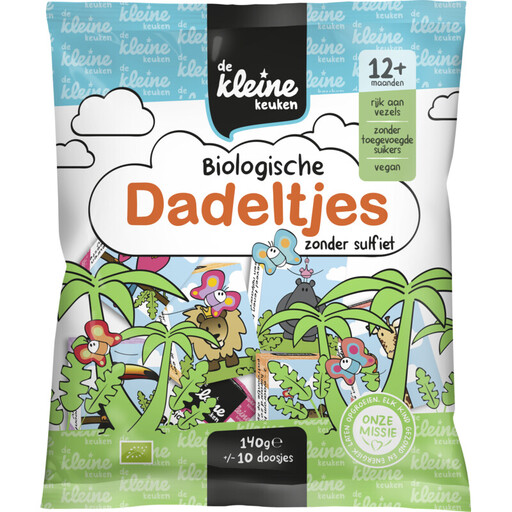
De Kleine Keuken Organic Dates 12+
For anyone looking for dried dates in a small snack pack; the product information lists 2.6 g of protein per 100 g, so this isn’t a high-protein recovery snack on its own.
The ingredients are 95% dates and 5% rice flour. The information gives a serving size of 14 g, 61 g of sugars per 100 g and no added sugar. The product name states 12+.
Joybuy
 No image available
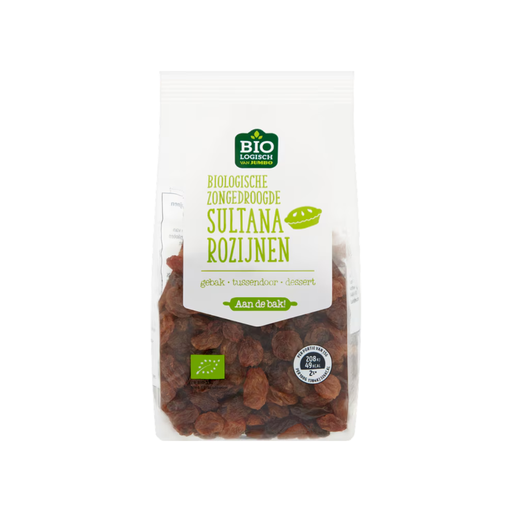
B+ Sultana Raisins, 250 g
For anyone looking for raisins as a snack or to add to breakfast cereal; the product information gives a serving size of 15 g.
The ingredients are raisins and sunflower oil. Per 100 g, the information lists 75.5 g of carbohydrates, 3.7 g of fibre and 3.1 g of protein, with no added sugars. According to the product information, a stem or stone may remain despite cleaning.
Joybuy
 No image available
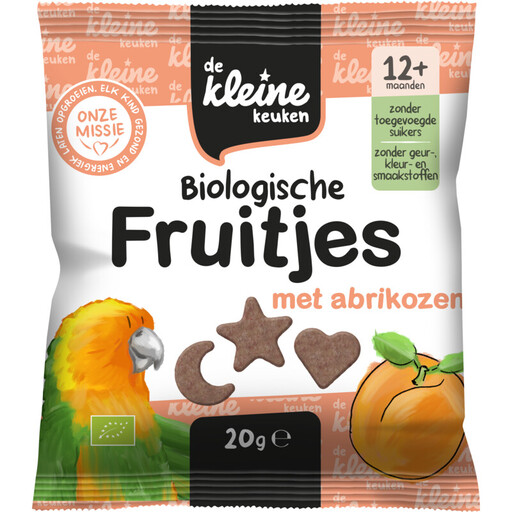
De Kleine Keuken Organic Fruitjes with Apricots, 20 g
For anyone looking for a fruity snack; this is a mixed fruit bite, not solely dried fruit.
The ingredients list 44% dried apricots, 44% dates, 8% banana and 4% rice flour. The product information states that there is no added sugar and warns that the product may contain traces of nuts.
Joybuy
Frequently asked questions about dried fruit after exercise
Do you need to buy a special recovery snack after every workout?
No, not necessarily. The Netherlands Nutrition Centre says most people who exercise don’t need special protein shakes or bars if they eat a healthy, varied diet. Start by looking at your usual diet and protein needs; dried fruit can only be one part of the picture.
How should you store raisins?
For the products reviewed, Albert Heijn, Jumbo and PLUS recommend storing raisins in a cool, dry, dark place. Also follow the best-before date and use instructions on your own pack.
What should you check if you’re sensitive to sulphites or other allergens?
Check the ingredients and allergen information on the exact pack. Stichting Voedselallergie describes sulphites as preservatives that can be found in dried fruit, among other products, and may cause an intolerance reaction. The NVWA requires allergens that must legally be declared to appear on the label; an organic product name doesn’t replace this check.
Does every imported organic product have to display the green EU leaf logo?
No. According to the European Commission, the EU organic logo is optional on imported products that meet EU import rules for organic products. The logo is compulsory on prepacked organic food produced in the EU. If the logo is used, the control code and agricultural origin should also be shown.
Are 20 g a day and the manufacturer’s serving size legal limits?
No. The 20 g a day is dietary guidance from the Netherlands Nutrition Centre, not a legal limit. The manufacturers’ serving sizes of 15 g and 25 g shown in the products reviewed are product information, not legal consumption limits.


