Who is this guide for?

Hosts planning sweet party nibbles

You’re looking for a sweet addition to savoury party nibbles and want to choose between fruit for stuffing, mixing in or serving on its own. Albert Heijn suggests soft cream cheese as a possible filling for the organic dates featured in this guide.

Breakfast shoppers choosing organic

You want to mix organic dried fruit into your breakfast and are mindful of ingredients and portion sizes. Albert Heijn suggests adding sultanas to granola, for example, while the Netherlands Nutrition Centre recommends eating dried fruit in moderation.

Shoppers with specific ingredient requirements

You want to distinguish organic certification from qualities such as being unsweetened or sulphite-free. Check allergen warnings too: these properties vary by product and aren’t automatically guaranteed by an organic label.

What should you look for when choosing?

What to consider What to look for Who is this important for?
Organic certification Check the organic label, inspection code and agricultural origin. The European Commission states that the EU organic logo is compulsory for pre-packed food sold as organic and produced in the EU; use of the logo is optional for imported or non-pre-packed products. I want the organic claim to be backed by verifiable certification, not just a natural look. Around 28% of consumers give organic assurance top priority.
Fruit format and use Choose according to how you plan to use it: for stuffing, mixing in, garnishing or serving as individual pieces. Check that it’s dried fruit if that’s what you’re looking for. If I’m looking for a particular type of fruit for a specific recipe, I don’t want to find out later that the format isn’t suitable. Around 22% of consumers put suitability for the intended use first.
Sugars and portions Read both the ingredients and the nutritional information. For the unsweetened mango featured in this guide, Albert Heijn lists 0 g of added sugars and 61 g of total sugars per 100 g; the Netherlands Nutrition Centre recommends a maximum of 20 g of dried fruit a day. If I eat it regularly for breakfast, I want to know what the pack says about sugars and how much I should weigh out. Around 22% of consumers put portion sizes and sugar at the top of their list.
Allergens and warnings Check the current ingredients list and warnings for each product. The Netherlands Food and Consumer Product Safety Authority (NVWA) explains the mandatory allergen labelling requirements; the AH dates and mango featured in this guide carry warnings about the possible presence of peanuts and nuts. I want to take a specific allergy or sensitivity into account, either for myself or a guest. Around 17% of consumers make specific allergen requirements the deciding factor.
Quantity and storage Compare the net weight and follow the storage instructions on the exact pack. Albert Heijn states that the dates and mango featured in this guide have a limited shelf life once opened. If I don’t use the fruit often, I want to choose an amount I can finish in time. Around 11% of consumers prioritise pack size and minimising leftovers.

Common buying mistakes

  • Assuming organic, unsweetened and allergen-free mean the same thing

    Organic certification alone says nothing about added sugar or potential allergens. The AH mango featured in this guide is unsweetened, but contains naturally occurring sugars and carries a warning about the possible presence of peanuts and nuts.

    Check the certification details, ingredients and allergens separately on the pack.

  • Treating the pack’s serving size as daily dietary advice

    A serving size used by a manufacturer for nutritional calculations isn’t automatically a daily dietary recommendation. The AH dates featured in this guide list a 50 g serving; the Netherlands Nutrition Centre recommends a maximum of 20 g of dried fruit a day.

    Keep the Nutrition Centre’s advice separate from the amount you actually eat.

  • Not checking the pack before serving

    According to the seller, a stone may accidentally be left in the AH dates featured in this guide. Jumbo warns that a stalk or small stone may be present in the sultanas featured in this guide.

    Check the fruit as you prepare it and take note of the warnings on the exact pack.

Brands to compare

Albert Heijn

The AH Biologisch range featured here includes sultanas, dried pitted dates and unsweetened dried mango.

  • The product information lists organic inspection details, ingredients and storage instructions for each variety. For the dates, Albert Heijn suggests stuffing them with soft cream cheese.
  • The dates and mango featured in this guide carry a warning about the possible presence of peanuts and nuts; stones may remain in the dates.

Jumbo

Jumbo describes 250 g of organic sun-dried sultanas, intended for mixing in or using as a garnish.

  • The product information lists sultanas, organic sunflower oil and the European organic certification mark with inspection code TR-BIO-132.
  • Jumbo warns that a stalk or small stone may remain. Organic doesn’t mean sugar-free.

Lidl

Lidl describes Alesto as a range of dried fruit, nuts and party snacks, including dried mango strips.

  • The fruit format described may work well as a snack with drinks.
  • Check the organic certification for each variety; a range name or description doesn’t prove organic status on its own.

Aldi

ALDI describes Trader Joe’s sun-dried dates in a 250 g resealable pack.

  • The product description mentions soft, pitted dates and a resealable pack.
  • These practical features don’t amount to an organic certification claim; check the details for the exact variety.

PLUS

PLUS lists De Kleine Keuken 12+ Organic Raisins, 140 g.

  • The product information lists organic sultanas, organic sunflower oil and a sulphite-free claim.
  • The product is intended as baby food from 12 months. The manufacturer advises sitting young children upright and supervising them while they eat.

Dirk

Dirk lists De Kleine Keuken Bio Raisins 12 mnd, 140 g.

  • The listing offers a specific organic sultana option for the stated age group.
  • Dirk doesn’t offer delivery; bear in mind how you want to collect or receive your shopping when making your choice.

Joybuy products

These Joybuy product picks are suitable for snacking and breakfast. Always check organic certification and any conditions of use for each variety and pack.
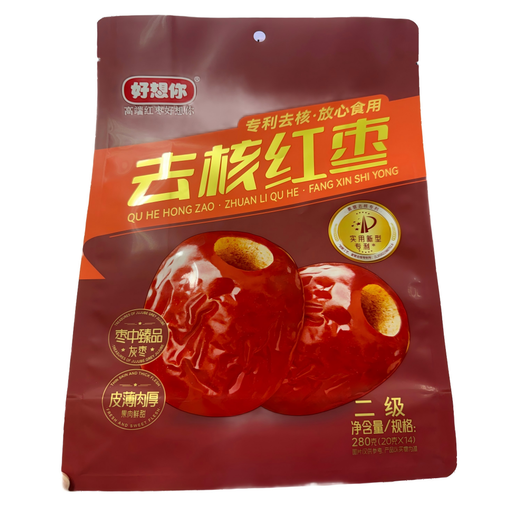
Haoxiangni Grade 2 Fresh-Locked Pitted Red Dates Original Flavour 280g

Haoxiangni Grade 2 Fresh-Locked Pitted Red Dates Original Flavour, 280 g

The product information describes red dates as a snack and as an ingredient for tea, soup and desserts.

The title specifies pitted red dates; the description lists jujube as an ingredient.

Joybuy
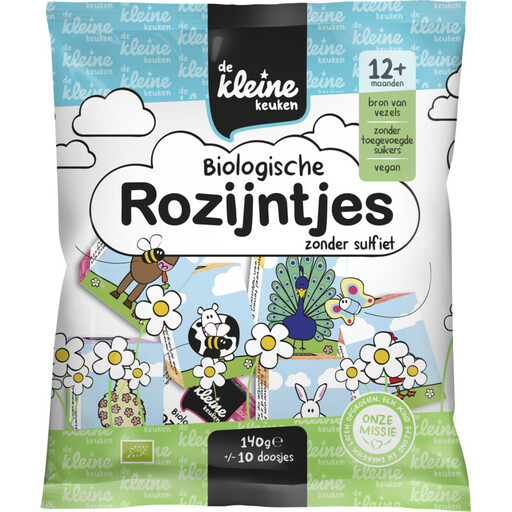
De Kleine Keuken Organic raisins 12M+ 140g

De Kleine Keuken Organic Raisins 12M+ 140 g

The product information positions these sultanas as baby food for children aged 12 months and over.

The pack is described as containing 14 g boxes. Supervise children while they eat; the product information also warns against use by children with swallowing difficulties.

Joybuy
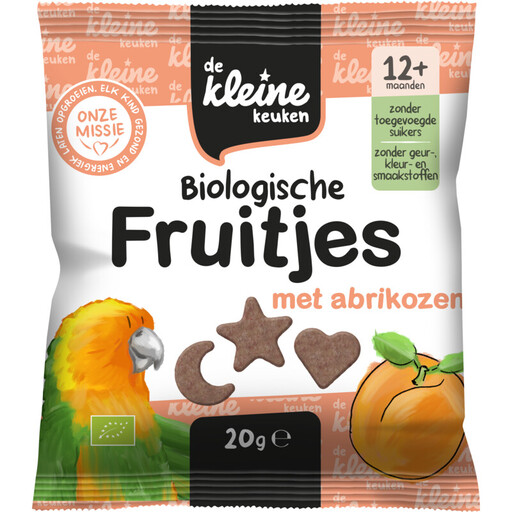
De Kleine Keuken Organic Fruitjes with Apricots 20 g

De Kleine Keuken Organic Fruitjes with Apricots, 20 g

The product information positions this fruity snack for children aged 12 months and over.

The listed ingredients are 44% dried apricots, 44% dates, 8% bananas and 4% rice flour. The information states that the product may contain traces of nuts.

Joybuy
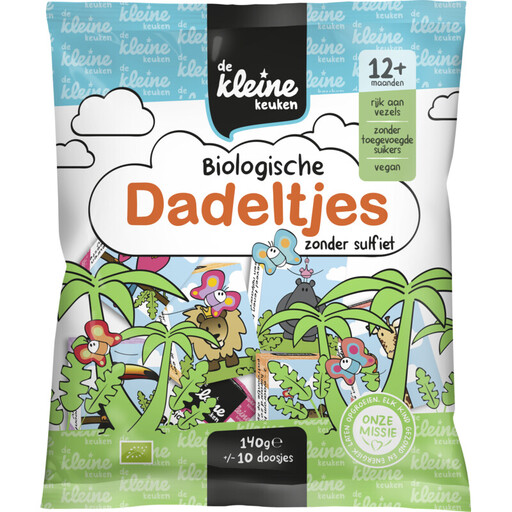
De Kleine Keuken organic dates 12+

De Kleine Keuken Organic Dates 12+

The product information positions this date-based product as baby food for children aged 12 months and over.

The listed ingredients are 95% dates and 5% rice flour. The usage information advises sitting upright and supervising children while they eat.

Joybuy
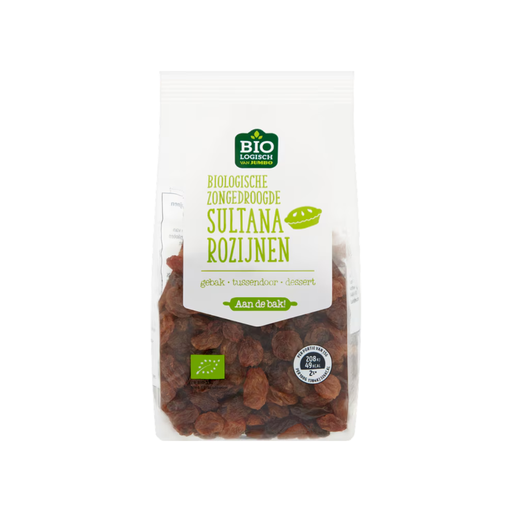
B+ Sultana Raisins 250 g

B+ Sultana Raisins, 250 g

The product description suggests using these sultanas as a snack, with breakfast cereal or in baking.

The ingredients are sultanas and sunflower oil. According to the product information, a stalk or small stone may remain despite checks.

Joybuy

Frequently asked questions

Does organic dried fruit always have to carry the green EU leaf logo?

No, not in every situation. The European Commission says the logo is compulsory for pre-packed food sold as organic and produced in the EU; use of the logo is optional for imported or non-pre-packed organic products. When the logo is used, the inspection code and agricultural origin should also be shown.

How much dried fruit is suitable for breakfast every day?

The Netherlands Nutrition Centre recommends a maximum of 20 g of dried fruit a day. This is dietary advice, not a legal limit; a serving size on the pack isn’t automatically the same as this recommendation.

Should I check pitted dates before stuffing them?

Yes, for the AH dates featured in this guide: Albert Heijn warns that a stone may accidentally have been left in. Check each date as you open and stuff it, and read the allergen information for both the dates and your chosen filling.

How should I store dried fruit once opened?

Follow the instructions on the exact pack. Albert Heijn says the dates and mango featured in this guide should be kept in a cool, dark and dry place and have a limited shelf life once opened. The Netherlands Nutrition Centre also provides storage advice for mixed dried fruit; don’t automatically apply its product-specific shelf-life guidance to other dried fruit.

Is organic fruit automatically allergen-free?

No. Organic certification doesn’t mean that a product is allergen-free. The AH dates and mango featured in this guide carry warnings about the possible presence of peanuts and nuts. Check the current ingredients list and warnings on the specific pack you plan to use.
