What should you look for?
Start by checking the organic label, then choose between a snack, a fruit for your breakfast or a mix. Finally, check the serving size, ingredients and storage instructions on the specific pack.
| What to consider |
What should you check? |
Who is this important for? |
| Organic origin |
Look for the EU organic logo and inspection code. The European Commission explains that the logo is linked to certification by a recognised control authority or control body. |
If I want to buy organic, I want to be able to check the label on the product. Around 27% of consumers put organic origin first. |
| Ingredients and daily portion |
Check the ingredients and total sugars per 100 g. The Netherlands Nutrition Centre recommends eating no more than 20 g of dried fruit a day; count what you have at breakfast and during your coffee break together. |
When I want to choose my ingredients and portion carefully, I compare the label with what I’ve already eaten that day. Around 27% of consumers put ingredients and portion control first. |
| Snack or breakfast topping |
Check whether the product contains a single fruit or other fruit and nuts too. A mix containing nuts isn’t the same as a pack of dried fruit only. |
For breakfast, I want to choose between a single fruit and a mix. Around 20% of consumers put breakfast use and variety first. |
| Packaging and storage |
Choose packaging that suits how you’ll use the product, and follow the storage instructions for that specific product. These can vary from one product to another. |
If I use a pack regularly, I want to be able to store it and finish it as directed on the label. Around 13% of consumers put suitable everyday use first. |
| Tolerance |
Check allergens listed as ingredients separately from warnings about possible traces. Only choose an unsulphured product if this is explicitly stated on the label. |
If a particular ingredient isn’t suitable for me, I also check for possible traces, not just the product name. Around 13% of consumers put their personal dietary requirements first. |
Joybuy products
These products are suitable for snacking on fruit, sultanas or dates. Check the title, ingredients and any age or usage guidance for each product; the product names don’t all carry the same organic label.
 No image available
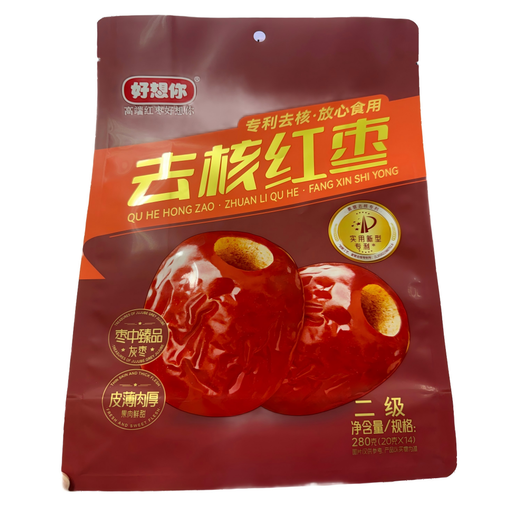
Haoxiangni Grade 2 Fresh-Locked Pitted Red Dates Original Flavour 280 g
The product information describes jujube as the only ingredient and says it can be eaten as a snack. Net weight is 280 g.
View product
 No image available
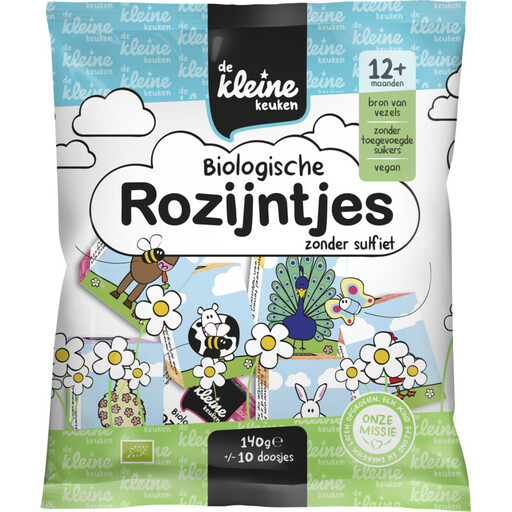
De Kleine Keuken Organic raisins 12M+ 140 g
The product information lists individual 14 g portions, which are handy if you want to portion them out in advance. The title says the product is suitable from 12 months; the product information advises supervision and says it isn’t suitable for children with swallowing difficulties.
View product
 No image available
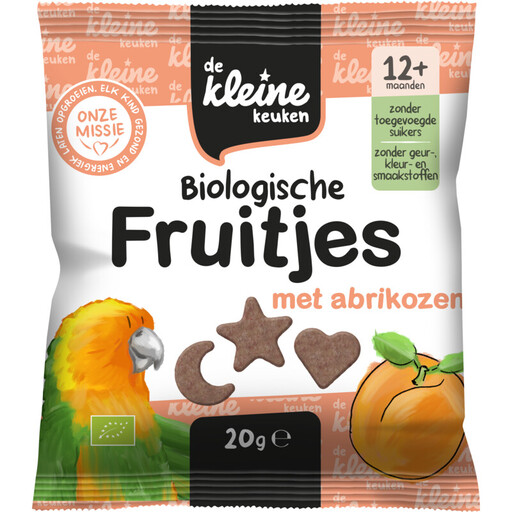
De Kleine Keuken Organic Fruitjes with Apricots 20 g
The product information lists apricots, dates and banana as ingredients for a varied fruit snack. It says the product is suitable from 12 months and may contain traces of nuts.
View product
 No image available
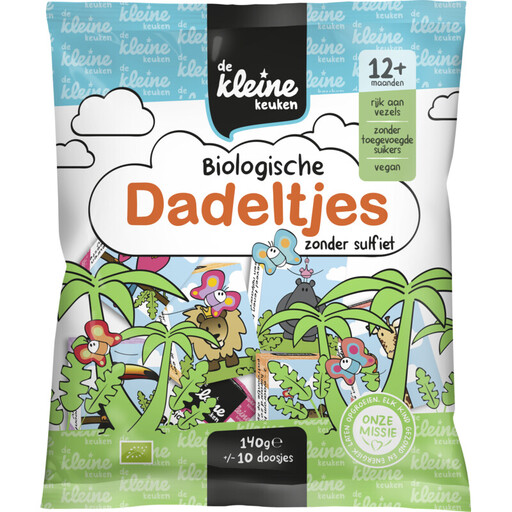
De Kleine Keuken organic dates 12+
If you’re looking for a small portion of dates as a snack, the product information lists 95% dates and nutritional values per 14 g portion. It says the product is suitable from 12 months and advises sitting the child upright and supervising them while they eat.
View product
Frequently asked questions
How can I recognise organic dried fruit?
Check the organic label and inspection code on the packaging. According to the European Commission, the EU organic logo is linked to certification by a recognised control authority or control body; the AH mango reviewed, for example, lists IT-BIO-009.
Does unsweetened mean dried fruit contains no sugars?
No. The product page for AH Biologisch Mango gedroogd & ongezoet lists 0 g of added sugars and 61 g of total sugars per 100 g. So check both the ingredients and nutritional information for the specific variant.
How much dried fruit can I have with my morning coffee?
The Netherlands Nutrition Centre recommends eating no more than 20 g of dried fruit a day. This is dietary advice, not a legal limit for products. Count the fruit you have at breakfast and during your coffee break together, and don’t automatically treat a manufacturer's serving size as a daily recommendation.
What should I look for if I have allergies?
Check both allergens listed as ingredients and warnings about possible traces. The Netherlands Food and Consumer Product Safety Authority (NVWA) says that allergens required to be declared must be listed in the ingredients. Organic origin doesn’t automatically mean a product is suitable for everyone.
How should I store an opened pack?
Follow the instructions on the label for your product. For the organic sultanas reviewed, Jumbo recommends storing them in a cool, dry, dark place. The product information for the Smaakt apricots reviewed says to store them in a cool, dark place in a sealed pack. Don’t assume these instructions apply to other products.


