What should you look for when choosing?
Raisins make a simple addition to cereal, while pineapple offers a different fruit and comes in a smaller pack. If you have little room for chilled storage, first check whether you can follow the storage instructions for the pack you choose.
| What to consider |
What should you check? |
Who is this important to? |
| Organic certification |
Check the organic label, the EU organic logo where applicable, and the certification information on the exact pack. |
If I buy organic, I want to be able to recognise the certification on the pack. Around 28% of consumers prioritise verifiable organic certification. |
| Ingredients and sugars |
Read the full ingredients list and check total sugars per 100 g separately from any statement about added sugars. |
With cereal, I want to know whether it contains anything besides fruit, such as oil, and whether sugar has been added. Around 22% of consumers prioritise the ingredients. |
| Storage at the campsite |
Follow the storage advice and the instructions for after opening on the exact pack. |
I want to be able to store the fruit as instructed on the pack, even if my campsite is warm or damp. Around 22% of consumers give storage the highest priority. |
| Pack size |
Compare the net weight with the number of breakfasts you want to take fruit for. |
I want a pack that suits the breakfasts I have planned and doesn’t leave me with unnecessary leftovers. Around 17% of consumers prioritise getting the right quantity. |
| Breakfast variety |
Choose the type of fruit you’d like, then check the ingredients and any warnings. |
If I want a different type of fruit with breakfast, I look for an option that suits how I plan to use it. Around 11% of consumers prioritise variety. |
Dried fruit at Joybuy
These products are suitable options for dried fruit at breakfast while camping. For each product, check the organic label and certification information on the exact pack.
 Image unavailable
De Kleine Keuken Organic raisins 12M+ 140g
The individual portions are handy if you want to take measured servings of raisins for breakfast while camping.
The product description lists ten snack boxes of 14 g each. Check the organic label and certification code on the pack.
The product information says it is suitable from 12 months and should be stored in a cool, dry and dark place. Supervise children while they eat; according to the product information, it is not suitable for children with swallowing difficulties.
View at Joybuy
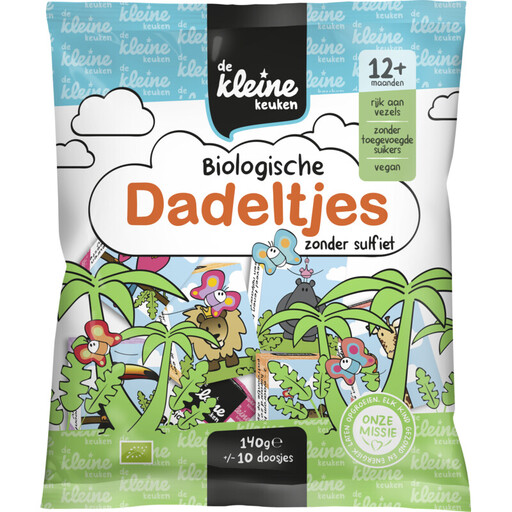 Image unavailable
De Kleine Keuken organic dates 12+
These dates are an option if you’d like to take a different type of dried fruit from raisins for breakfast while camping.
The ingredients information lists 95% dates and 5% rice flour. The product information says no sugars have been added; check the ingredients and organic label on the pack.
The product information says it is suitable from 12 months and should be stored in a cool, dry and dark place.
View at Joybuy
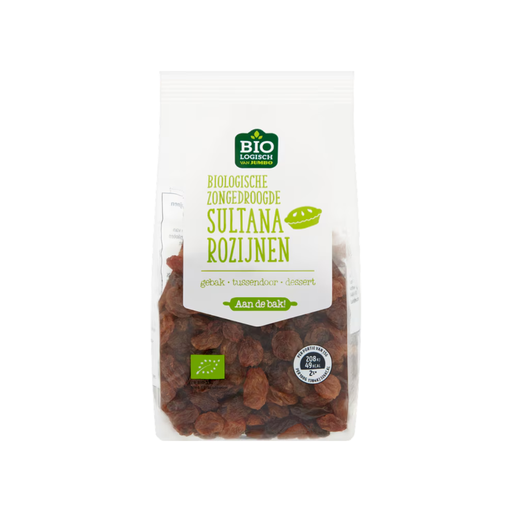 Image unavailable
B+ Sultana Raisins - 250 g
The product description suggests adding raisins to cereal, which may suit anyone who likes to mix fruit into breakfast.
The ingredients information lists raisins and sunflower oil. The product information says no sugars have been added; check the organic label and ingredients on the pack.
Store in a cool, dry place and seal the pack well after opening. According to the product information, the presence of a stalk or stone cannot be completely ruled out.
View at Joybuy
Frequently asked questions
Does organic dried fruit always have to carry the EU organic logo?
No, it depends on the product type and where it comes from. According to the European Commission, the logo is compulsory for pre-packed food produced in the EU and sold as organic; it is optional for certain imported and non-pre-packed organic products. So check the other organic information on the pack too.
Does ‘unsweetened’ mean dried fruit is low in sugar?
No. ‘No added sugars’ and total sugar content are two different things. For the raisins reviewed, Albert Heijn lists 0 g of added sugars and 59 g of total sugars per 100 g. Voedingscentrum advises having no more than a handful of dried fruit with no added sugar.
Can I use the storage guidance for raisins for dried pineapple too?
No, follow the instructions for the exact type of fruit. Voedingscentrum recommends storing opened raisins in a kitchen cupboard for 6–9 months; for the pineapple reviewed, Albert Heijn says ‘limited shelf life once opened’. Also take the storage conditions at the campsite into account.
Is a breakfast of dried fruit and yoghurt automatically suitable without a fridge?
No, the storage advice for dried fruit does not automatically apply to yoghurt. Voedingscentrum advises keeping perishable foods in a suitable cool box when camping and recommends storing them for no more than one day. Follow the yoghurt’s storage instructions and keep an eye on the conditions inside the cool box.
What should I look out for if I need to avoid peanuts or nuts?
Read the allergen information and warnings on the exact pack. For the dried pineapple reviewed, Albert Heijn warns that it may contain peanuts and nuts; an organic label does not replace this check.


