What should you look for when buying?
First compare the nutritional values per 100 g, then choose a portion you can weigh. Organic labels, ingredients and ease of purchase are separate considerations; none of them makes a product low in calories in itself.
| What to consider |
What to look for |
Who might care most? |
| Calories per portion |
Compare kcal per 100 g, then weigh out the same amount. |
If I want to monitor my energy intake, I look at the weight I actually eat, not just the portion shown on the packaging. Around 36% of consumers prioritise calorie control when making this choice. |
| Organic labelling |
Check the organic product claim and, where applicable, the EU organic logo, control code and agricultural origin. |
I want to be able to check the organic claim and assess it separately from the nutritional values. Around 29% of consumers prioritise verifiable organic production. |
| Ingredients and allergens |
Read the ingredients list, total sugars and any allergen warnings on the packaging. |
If I want to know what’s in the product besides fruit, I check the ingredients and warnings rather than relying on ‘unsweetened’ alone. Around 21% of consumers prioritise checking ingredients. |
| Packaging and purchase |
Check the net weight, available places to buy it and storage advice. |
I want packaging and a way to buy the product that fit my shopping routine and how I store the fruit at home. Around 14% of consumers prioritise practical shopping convenience and packaging. |
Dried fruit at Joybuy
This Joybuy selection includes raisins, organic raisins and dried plums. Check whether each product is organic on its packaging, and compare ingredients, nutritional values and portion size.
 No image available
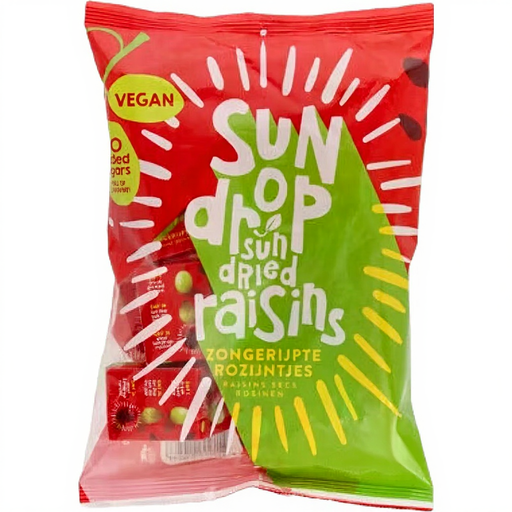
Sundrop Mini Raisin Handouts, 252 g
A raisin snack for anyone looking for raisins; the product description also mentions sunflower oil.
Ingredients: 99.5% raisins and sunflower oil. Pack size: 252 g.
View at Joybuy
 No image available
De Kleine Keuken Organic Raisins 12M+, 140 g
For anyone looking for organic raisins in pre-portioned snack boxes.
The product information lists raisins with no added sugars or sulphites, in 14 g boxes.
According to the product information, suitable from 12 months; supervise children while they eat.
Not suitable for children with swallowing difficulties.
View at Joybuy
 No image available
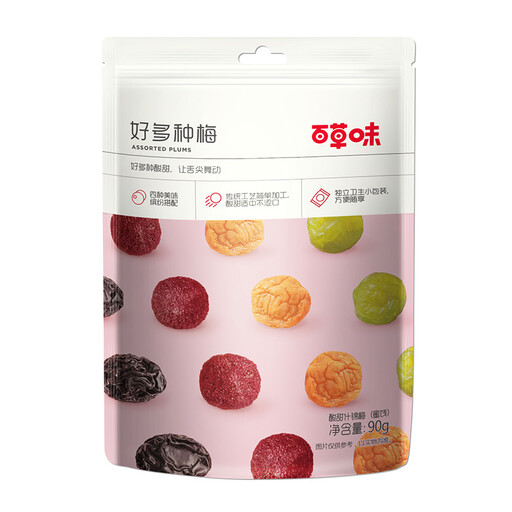
Be&Cheery Various Dried Plum, 90 g
A dried plum product; check the ingredients if you’re looking for dried fruit with no added ingredients.
Pack size: 90 g. The ingredients list includes white sugar, salt and sweeteners.
The product information lists 3.0 g of salt per 100 g.
View at Joybuy
 No image available
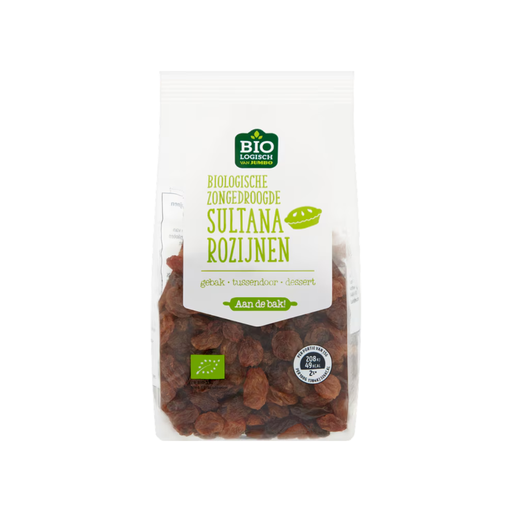
B+ Sultana Raisins, 250 g
For anyone looking for organic sultana raisins and wanting to weigh out their own portion.
The product information lists organic raisins and organic sunflower oil. Pack size: 250 g.
The label lists nutritional values per 100 g and per 15 g, including 326 kcal per 100 g.
According to the product information, a stalk or pip may remain despite checks.
View at Joybuy
Frequently asked questions
Can dried fruit be labelled low in calories in the Netherlands?
For a product to make the ‘low energy’ nutrition claim, solid foods must contain no more than 40 kcal (170 kJ) per 100 g, according to the European Commission. A small snack portion doesn’t change the nutritional value per 100 g; AH pineapple, Jumbo raisins and BIO+ raisins at PLUS list 302, 326 and 342 kcal per 100 g respectively.
Is the portion shown on the packaging also the recommended daily maximum?
Not necessarily. The labels on the products mentioned use portions of 15 or 25 g. The Netherlands Nutrition Centre recommends a maximum of 20 g of dried fruit a day; this is nutritional advice, not a legal portion size.
Does every organic product have to display the green EU leaf?
The EU organic logo is compulsory for pre-packed organic food produced and sold in the EU. Its use is optional for imported organic products that comply with EU import rules. If the logo is used, the control code and agricultural origin must also be stated, according to the European Commission.
How should you store dried fruit after buying it?
Follow the instructions on the specific packaging. The labels on AH pineapple, Jumbo raisins and BIO+ raisins at PLUS recommend storing them in a cool, dry, dark place. AH also states that the pineapple has a limited shelf life once opened.
Can you get these products delivered?
It varies by retailer and product. Albert Heijn lists the pineapple as an in-store product, while Lidl says Belbake organic raisins are available in store only. PLUS offers delivery or collection; Dirk doesn’t mention a delivery service. Check the purchasing options with the retailer in question.


